I remember a Tuesday in the Cairngorms, mid-November, when the sleet was coming in sideways and my bladder felt like it was about to give way. I was crouched behind a granite slab, shivering so hard I could barely manage the task at hand, wondering why I’d ever thought a “quick break” was a good idea when the light was already failing. Most people think learning how to go to the toilet outdoors is just about finding a bush and hoping for the best, but when you’re dealing with steep scree, freezing temperatures, or sensitive nesting sites, it becomes a matter of logistics and dignity.
I’m not here to sell you a fancy, over-engineered trowel or a way to turn a mountain ridge into a campsite. What I am going to do is give you the unvarnished reality of managing yourself when the weather turns and the terrain refuses to cooperate. I’ll tell you exactly what I’ve carried in my pack for the last fifteen years, which methods actually work when you’re exhausted and freezing, and how to leave the landscape exactly as you found it.
Table of Contents
Mastering Wilderness Sanitation Techniques in Bad Weather
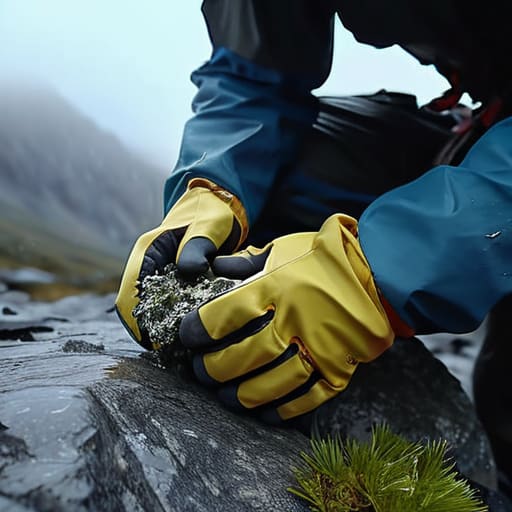
When the wind is gusting at forty knots and the rain is coming in sideways, your priorities shift instantly from “proper technique” to “getting this over with before hypothermia sets in.” In these conditions, the biggest mistake is trying to be too precious about the process and staying stationary for too long. I’ve seen people freeze up because they’re worried about perfection, but in a gale, you need to move fast. My rule is to find a sheltered lee—ideally behind a boulder or a dense patch of gorse—and get your layers adjusted quickly. If you’re struggling with dexterity because your hands are numb, that’s when you realize why having dedicated, waterproof gloves for hygiene is more important than any fancy gadget.
The reality of managing human waste while hiking in a storm is that you won’t always have the luxury of a perfect, deep pit. You still need to commit to digging a proper cat hole, at least six inches deep, even if your hands are shaking. I’ve spent many a miserable afternoon in the Cairngorms trying to scrape frozen peat with a trowel; it’s tedious, but it’s the only way to ensure you’re actually following Leave No Trace principles. If the ground is too saturated or frozen to dig, you don’t wing it. You pack it out. Period.
Managing Human Waste While Hiking Without Losing Your Mind
The psychological side of this is often more taxing than the physical one. When you’re halfway up a ridge or caught in a lull between squalls, the prospect of stopping feels like an imposition on your momentum. But the mental drain of trying to “hold it” while navigating technical terrain is a recipe for poor decision-making. I’ve seen too many people push through the urge until they’re stumbling, distracted by discomfort, which is exactly when a misplaced step on wet rock happens. You need to treat your biological needs as a non-negotiable part of your kit list, just like checking your fuel or your map.
To keep your sanity, you have to systematize the process. This means having your outdoor hygiene essentials organized in an easy-access pocket, not buried at the bottom of a 65-litre pack. I’ve spent fifteen years carrying a small, dedicated “sanitation kit”—a lightweight trowel, a reusable silicone bag for used paper, and a small bottle of hand sanitizer. If you follow basic Leave No Trace principles and keep your gear organized, you stop viewing the pit stop as a chaotic interruption and start seeing it as a controlled, necessary part of the rhythm of the trail.
The Small Details That Stop a Trip From Turning Sour
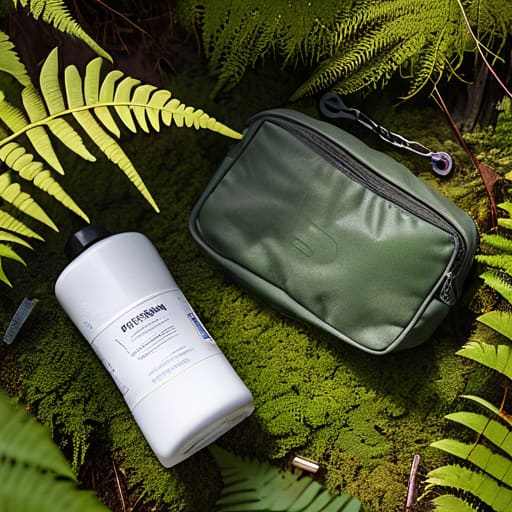
- Keep your trowel and your waste bags in the same dedicated, waterproof dry bag. I’ve spent too many nights shivering in a tent because I spent twenty minutes digging through a heavy rucksack in the dark, looking for a piece of plastic I’d shoved into a different pocket.
- Always carry more toilet tissue than you think you need, but never rely on it alone. I’ve used a single roll of high-quality tissue over three days of heavy rain on the Cairngorms, but if the weather turns properly wet, you’ll want a dedicated pack of biodegradable wipes or a small trowel to ensure you aren’t just leaving a mess behind.
- Learn the “Leave No Trace” distance rule by heart: at least 60 metres (about 70 big steps) from any water source, trail, or campsite. I once saw a group try to be “discreet” by squatting near a stream in a valley; in a high-wind scenario, that’s a recipe for contaminating the very water they’ll be drinking two hours later.
- Pack a dedicated “poop kit” that stays at the very top of your pack. It should include a lightweight trowel—I use the MSR Spork or a small metal trowel, which I’ve carried through every season for the last five years—and several heavy-duty, sealable waste bags. If you’re in a high-altitude or sensitive area, you don’t bury it; you pack it out. Period.
- Manage your timing before the “optimism gap” hits. If you feel the urge when you’re halfway up a steep ascent or as the light is failing, stop immediately. Don’t tell yourself you’ll wait until the next plateau; that’s how you end up having an emergency in a thicket of gorse when the temperature is dropping.
The Cost of a Single Optimistic Decision
I’ve seen people try to “make it work” in a scramble for privacy when the wind is gusting at forty knots and the light is failing, only to end up soaked, shivering, and miles from their camp. When you’re out there, a bathroom break isn’t a minor inconvenience to be deferred; it’s a logistical decision that requires the same level of planning as your navigation or your layering. If you wait until you’re desperate, you’ve already lost control of the situation.
Bridget Halloran
Leaving Only Footprints
At the end of the day, managing your business in the wild isn’t about being a survivalist; it’s about being a decent guest in a landscape that doesn’t owe us anything. Whether you are dealing with a sudden squall that makes finding a private spot feel like a tactical error, or you are trying to manage your kit without spilling your entire pack contents into the mud, the principle remains the same: preparation beats improvisation every single time. Remember to pack your trowel, your waste bags, and enough hand sanitizer to make a surgeon blush. If you take the time to plan for the uncomfortable moments—the heavy rain, the steep scree, or the dwindling daylight—you ensure that a simple biological necessity doesn’t turn into a logistical disaster that ruins your entire trek.
I have spent twenty-two years watching how people treat the hills, and the ones who truly belong out here are the ones who respect the quiet dignity of the terrain. We often get so caught up in chasing the summit or spotting a nesting peregrine that we forget our impact on the ground beneath our boots. Practicing proper sanitation isn’t just a rule in a guidebook; it is how we ensure these places stay wild for the next person. When you walk away from your spot, make sure the only thing remaining is the memory of the view. Leave it better than you found it, because the mountains are far more permanent than we are.
Frequently Asked Questions
How do I manage the logistics of carrying waste out when I'm on a multi-day ridge traverse with a heavy pack?
On a ridge traverse, weight and wind are your enemies. I’ve spent ten days straight on the Cairngorms with a pack that felt like it was filled with lead, and the last thing you want is a bulky, awkward kit. Don’t use those flimsy, oversized bags. Use lightweight, heavy-duty WAG bags—I’ve used the Cleanwaste ones for three seasons in high-wind, high-moisture environments, and they don’t leak. Keep them in a dedicated, waterproof dry bag at the very top of your pack. You don’t want to be digging through your sleeping bag to find your waste when the mist is rolling in and the temperature is dropping.
What are the best ways to stay warm and keep my dexterity while dealing with this in freezing, sub-zero conditions?
When the temperature drops below zero, your biggest enemy isn’t the cold; it’s the loss of fine motor skills. I’ve spent ten years in sub-zero conditions, and I’ve learned that once your fingers go numb, you’re in trouble. Keep your hands inside your jacket sleeves or heavy mittens until the very last second. Use a small, lightweight sit-pad to create a thermal barrier between you and the frozen ground—I’ve used my Therm-a-Rest Z Lite for this specific purpose in the Cairngorms for over a decade. It makes a massive difference.
How do I ensure I'm not inadvertently disturbing nesting birds or sensitive wildlife habitats when choosing a spot?
Look, it’s easy to get tunnel vision when you’re uncomfortable, but you need to look up. I’ve spent years logging raptor nests, and I’ve seen far too many people stumble into sensitive scrub or rocky ledges where birds are brooding. If you see signs of recent activity—scat, feathers, or even just a particularly quiet patch of thicket—move on. Aim for durable surfaces like rock or established trails. If it looks like a sanctuary, it isn’t your toilet.