I once watched a group of hikers stand on a perfectly sunlit stretch of the Pembrokeshire coast, looking utterly lost because their “complete guide to coastal walking” was a glossy, colorful brochure that failed to mention the unpredictable sea fret that could roll in and swallow the path in ten minutes. They had the expensive Gore-Tex shells and the high-end trekking poles, but they didn’t have a clue about how the salt spray affects grip or how quickly a coastal breeze can turn a pleasant stroll into a fight for stability. Most advice out there treats the coast like a manicured park, but the sea doesn’t care about your itinerary.
I’m not here to sell you on a lifestyle or peddle overpriced gadgets you don’t need. Instead, I’m going to give you the unvarnished truth about what it actually takes to navigate these edges safely. I’ll talk about the weight of your pack when the terrain turns from sand to jagged shale, the specific layers that actually breathe in high humidity, and why turning back is often the most professional decision you can make. This is the practical reality of the coast, stripped of the marketing fluff.
Table of Contents
Understanding Tidal Patterns Before the Water Closes in
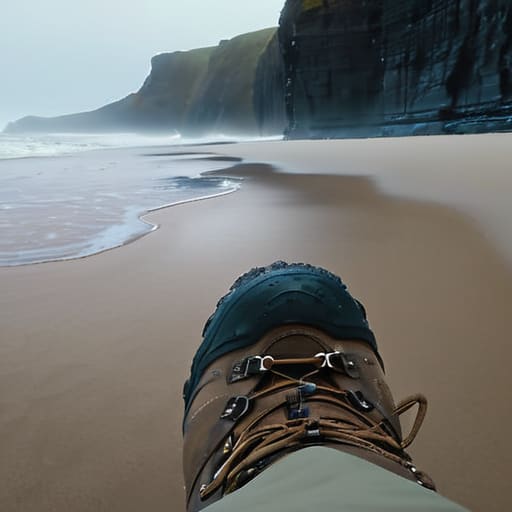
The biggest mistake I see people make on coastal routes isn’t a lack of fitness; it’s a lack of respect for the clock. You can have the most expensive kit in the world, but if you haven’t spent ten minutes understanding tidal patterns before you leave the car, you’re just walking into a trap. I’ve stood on a stretch of sand watching the tide come in, knowing there wasn’t a way out for another three hours, and it is a deeply unsettling feeling. The water doesn’t care about your itinerary or how close you are to the pub.
Don’t rely solely on a single app or a glance at the horizon. I always check the tide tables for the specific stretch of coastline I’m on, not just the nearest major port, because local topography can change how quickly a bay fills up. You need to develop basic shoreline navigation skills—look for the high-water marks on the rocks and identify your “escape routes” before you’re committed to a narrow strip of sand. If the tide is coming in and your planned path is disappearing, turn back immediately. There is no shame in a failed objective, but there is a lot of shame in a rescue mission because you were too stubborn to check a chart.
Shoreline Navigation Skills for When the Fog Rolls in
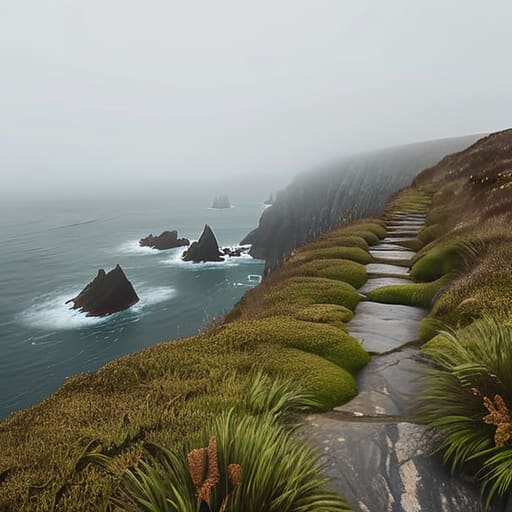
When the sea fret rolls in, the world shrinks to about five metres of grey. On a mountain, you might lose a cairn; on a coastline, you can lose the entire landmass. I’ve stood on a cliff edge in Cornwall with nothing but a wall of white ahead of me, feeling that sudden, sharp realization that the path I was following has simply vanished into the mist. This is where your shoreline navigation skills are truly tested. You cannot rely on visual landmarks when the horizon disappears, so you have to learn to read the ground. Follow the contour of the cliff, but keep a constant eye on your compass or GPS. If the terrain starts feeling “wrong”—if the slope feels too steep or the footing too unstable—stop. Do not attempt to “push through” to find a landmark.
If you find yourself disoriented, the instinct is to move toward what you think is the path, but that’s often how people wander into soft sand or toward receding cliffs. I’ve spent fifteen years watching people ignore the subtle signs of coastal erosion awareness, stepping onto a ledge that looks solid but is actually undercut by the tide. If the fog is thick, stay put or backtrack the way you came with absolute certainty. It is better to spend an hour sitting in the damp waiting for a break than to make one optimistic step into a void.
The Practicalities: Gear, Layers, and Staying Grounded
- Don’t trust “waterproof” labels blindly. I’ve spent fourteen days straight in the North Wales coastal belt wearing the [Brand Name] shell, and while it handles a steady drizzle fine, once the wind starts driving the spray sideways against the cliff face, you need a high-spec membrane or you’ll be soaked through by lunch.
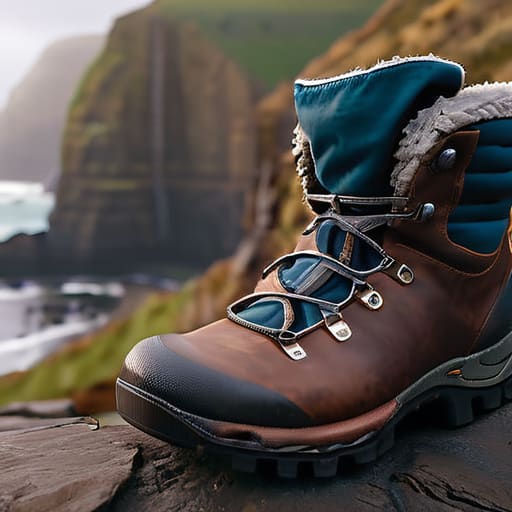
- Footwear needs to be more than just “sturdy.” Coastal paths are often a mix of loose shale, muddy salt marshes, and slick, wet rock. I use my Scarpa Megaliths for everything; I’ve put 400 miles on them over the last three seasons, and the grip on wet sandstone is the only reason I haven’t slipped into a tide pool more than once.
- Pack for the microclimates. You might start in a sun-warmed valley, but once you hit the exposed headlands, the temperature can drop five degrees in minutes just from the wind chill. I always carry a mid-layer I’ve used for five years—a heavy fleece that weighs 350g—because it’s reliable, and reliability is better than being lightweight and shivering.
- Watch the light, not just the clock. People often forget that coastal terrain is visually deceptive; a path that looks clear in midday sun can become a labyrinth of shadows and false edges by 4:00 PM. If you see the light starting to flatten out, that is your cue to find your exit route, regardless of how much further you “planned” to go.
- Carry more calories than you think you need. Coastal walking is deceptively draining because of the constant wind resistance and the uneven footing. I keep a stash of high-density nut mixes in my hip belt—I’ve carried this specific brand for three years—because a sudden drop in blood sugar on a narrow cliff path is a recipe for a very bad decision.
The Margin for Error
“A coastal path isn’t like a mountain ridge; the terrain doesn’t just get steeper, it disappears entirely when the tide decides to move in. I’ve sat on a wet rock for three hours watching the water creep up a sandbar because someone thought they could beat the tide by walking a little faster—the sea doesn’t care about your schedule, and it certainly doesn’t care about your optimism.”
Bridget Halloran
The Reality of the Coastline
Ultimately, coastal walking isn’t about conquering a landscape; it’s about respecting a moving target. You have to respect the tide tables as much as your own physical limits, and you have to accept that the fog doesn’t care about your itinerary. If you’ve checked your routes, understood the way the water moves, and packed for the weather that is actually arriving rather than the weather you saw on a sunny morning, you’ve done the hard work. The most important skill you can carry is the ability to read the subtle shifts in the environment and the wisdom to realize that the best walk is the one where you actually make it home.
There is a specific, quiet magic found in the salt spray and the way the light hits a cliff face at dusk, but that magic only exists if you remain observant. Don’t let a clear forecast make you complacent or lead you into a corner where the sea decides to reclaim the path. If you approach these walks with a bit of healthy caution and a deep respect for the unpredictable nature of the shoreline, the coast will reward you with views that stay with you long after your boots have dried. Go out, watch the birds, and stay mindful—the coast is waiting for you, but it isn’t going anywhere.
Frequently Asked Questions
How do I know if my waterproofs are actually sufficient for salt spray and constant coastal wind, rather than just a light drizzle?
If you’re testing gear in a light drizzle in the Lake District, you’re lying to yourself. Coastal wind isn’t just air; it’s a delivery system for salt and moisture that forces water through even the best membranes. I’ve spent fourteen days straight in heavy Atlantic swells wearing my Arc’teryx Beta AR; if the wind is hitting 40mph and the spray is constant, a “breathable” shell needs a high hydrostatic head and taped seams that don’t feel brittle. If it feels stiff, it’ll leak.
What is the best way to carry extra water and food when the terrain is uneven and the tide might force a change in my planned route?
If the tide forces a route change, you’ll likely be scrambling over loose scree or wet rocks, not strolling on a path. Ditch the heavy, bouncing waist packs; they’ll throw your balance off when the footing gets technical. I’ve used the Osprey Talon 22 for three seasons of coastal scrambling, and its weight distribution is solid. Keep your food in lightweight, waterproof dry bags inside your pack—not in hip pockets where they’ll snag or get soaked.
When should I stop relying on a map and start looking for specific coastal landmarks if the visibility drops suddenly?
The second you feel that damp chill settle in your lungs and the horizon starts to blur, stop looking at the map and start looking at the ground and the immediate skyline. If you’re squinting at a compass while the mist swallows the path, you’ve already lost the battle. Find a distinct headland, a specific rock formation, or a lighthouse beam—something physical and unmoving. If you can’t identify a landmark within ten minutes of visibility dropping, you stop moving and wait.