Most people think a “complete guide to tracking animals” involves buying a high-end thermal monocular or spending three months studying ancient woodland patterns, but that’s mostly nonsense. I’ve seen plenty of well-meaning hikers get so caught up in trying to spot a specific print that they miss the actual signs—the snapped twig, the disturbed moss, or the way the light hits a patch of flattened grass. You don’t need a degree or a thousand pounds of kit to read the landscape; you just need to stop looking at the ground like it’s a puzzle and start seeing it as a living, moving system.
I’m not here to sell you on some romanticised version of wilderness survival. I’m going to give you the unvarnished truth about how to actually read a trail without losing your daylight or walking yourself into a bog. We’ll talk about the subtle indicators that matter, the mistakes that lead to nothing but sore knees, and how to tell when a track is fresh or just a ghost from a storm three days ago. This isn’t about perfection; it’s about practical observation that works when you’re tired and the weather is turning.
Table of Contents
Identifying Wildlife Tracks in Unpredictable Terrain
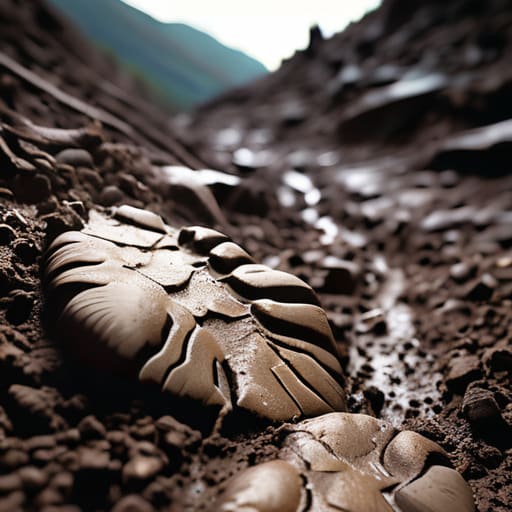
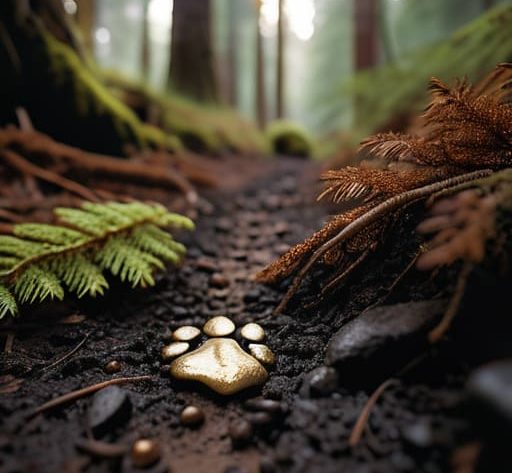
When the ground changes from firm peat to loose scree or saturated mud, your ability to rely on a perfect print vanishes. I’ve spent many a morning in the Cairngorms trying to make sense of a partial impression that looks more like a smudge than a paw. Identifying wildlife tracks in these conditions isn’t about finding a textbook image; it’s about looking for the displacement of soil around the mark. If the mud is soft, look at how the weight was distributed—the depth of the heel versus the toe tells you more about the animal’s speed and intent than the shape of the print itself.
You also have to look beyond the footprints. If the wind is gusting and the rain is turning everything into a slurry, you’ll need to shift your focus toward animal scat identification and broken vegetation. I’ve found that a fresh pile of dung in a sheltered hollow often tells a much more reliable story than a washed-out track in a stream bed. It’s about interpreting the context of the sign. A track in the mud is a snapshot, but the way the surrounding heather is crushed or the specific way a branch has been snapped tells you if you’re looking at a passing visitor or a resident predator.
Reading Nature Signs Before the Light Fails
The biggest mistake people make is thinking tracking is just about looking at the ground. If you spend all your time staring at your boots, you’ll miss the broader context of reading nature signs that tells you exactly how much time you have left. I’ve sat on too many ridges watching the light turn that bruised purple color, realizing I’d been so focused on a single deer print that I hadn’t noticed the temperature dropping or the wind shifting. You need to look up. Check the broken branches, the disturbed moss, or the way the grass is matted down. These signs tell you the direction of travel much faster than a single track will, and they’ll tell you if the animal was moving in a hurry or just grazing.
When the shadows start to stretch, your ability to perform accurate animal scat identification or distinguish between a fox and a dog print drops significantly. Once the contrast disappears, everything starts to look like a smudge in the dirt. If you haven’t found what you’re looking for by the time the light hits the treeline, stop pushing. It is better to admit you missed it than to stumble into a ravine because you were trying to follow a trail in the gloaming.
The Hard Lessons: Five Rules for Not Losing the Trail (or Your Head)
- Watch the substrate, not just the print. A track in deep, fresh snow is a different beast than one in baked mud; I’ve spent hours trying to follow a fox print in soft powder only to realize the wind had filled the depressions, making it a guessing game that wasn’t worth the calories.
- Respect the clock over the creature. I’ve seen too many people get so focused on a single set of tracks that they ignore the shifting light; if you haven’t reached your waypoint by the time the shadows start stretching, you stop tracking and start navigating, period.
- Use your nose as much as your eyes. Most people forget that scent carries differently depending on the humidity and temperature; if the air is heavy and damp, you’ll catch a trail long before you see a single footprint, but don’t let a good scent lure you into a bog or a steep scree slope.
- Learn the “false positives” of the terrain. Rocks shifting underfoot or heavy rain washing out old tracks can mimic animal movement, and I’ve spent far too many mornings chasing what I thought was a deer trail only to find it was just a drainage line carved by a heavy downpour.
- Keep your kit light so you can move quietly. If you’re clattering with heavy, unorganized gear, you aren’t tracking—you’re just an intruder; I’ve used the same Osprey lightweight kit for six years in everything from high summer to mid-winter, and the silence it allows is more important than the capacity.
The Cost of Persistence
Tracking isn’t about the thrill of the chase; it’s about the discipline to know when a print is too old, when the mud is too deep to be reliable, and—most importantly—when the light is too low to keep going safely. I’ve seen too many people lose their way because they were more interested in finding a fox than they were in finding their way back to camp before the temperature dropped.
Bridget Halloran
The Margin Between Seeing and Knowing
At the end of the day, tracking isn’t about a magic moment where everything clicks; it’s about the cumulative weight of small observations. It is the ability to distinguish a fresh print from one weathered by three hours of sleet, and the discipline to recognize when a sign is too old to follow. You have to respect the terrain, read the light, and most importantly, understand the limits of your own visibility. If you find yourself squinting at a muddy depression while the wind is rising and your headlamp is already out, you aren’t tracking anymore—you’re just wandering. Success in this craft is as much about knowing when to stop as it is about knowing where the animal went.
There is a specific kind of quiet that settles over the hills when you finally connect the dots—a single scrape in the moss, a broken twig, a fleeting shadow. It’s a reward that doesn’t require a photo or a social media post to be real. But remember, the goal isn’t to chase the animal at any cost; the goal is to witness the landscape as it actually is, not how you want it to be. If you approach the woods with patience and a healthy respect for the weather, the tracks will reveal themselves in time. Just make sure you’re still in a position to see them before the light fails for good.
Frequently Asked Questions
How do I distinguish between actual animal prints and marks left by heavy rain or shifting scree?
It’s the classic mistake: mistaking a rain-scoured depression for a print. When the ground is saturated or the scree is shifting, everything looks like a sign. Look for intent. A track has a clear point of pressure—a heel or a toe—that displaces soil in a specific direction. Rain just washes everything into a generic, shallow bowl. If the shape lacks a definite edge or seems to “flow” with the slope, leave it alone. It’s just weather.
What is the best way to track animals when the ground is frozen or covered in deep, fresh snow?
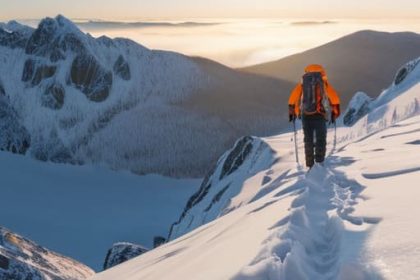
When the ground freezes or you’re wading through fresh powder, the game changes. You aren’t looking for a print anymore; you’re looking for broken crust or disturbed snow. I’ve spent three weeks in the Cairngorms this winter tracking foxes in waist-deep drifts, and you have to watch the shadows. In deep snow, look for the “slump”—where the animal’s weight has collapsed the air pockets. If the ground is frozen solid, stop looking down and start looking up. Watch for broken branches or disturbed lichen. If you’re losing the trail and the temperature is dropping, stop chasing it. No track is worth a case of hypothermia.
At what point does the risk of following a track outweigh the safety of heading back to camp?
The moment you start checking your watch more than the ground, you’ve gone too far. I’ve seen too many people lose their way because they were chasing a print instead of watching the light. If the wind is picking up or the shadows are stretching across the ridge, stop. A track doesn’t matter if you’re shivering in a ditch at dusk. Prioritise your descent; the animals will still be there tomorrow.