I once spent four hours in a bivvy bag on a ridge in the Cairngorms, watching a group of hikers try to “layer up” using nothing but brand-new, expensive puffer jackets that had zero breathability. They were sweating through their base layers while the wind stripped the heat right off them, turning a simple mistake into a genuine hypothermia risk. Most people think a complete guide to cold weather safety is about buying the most expensive, high-tech kit you can find on a glossy website, but they’re missing the point entirely. Safety isn’t something you buy in a shop; it’s something you build through better decisions and understanding how the environment actually behaves when the temperature drops.
I’m not here to sell you on any particular brand or repeat the marketing fluff you’ve already heard. Instead, I’m going to give you the unvarnished truth about what actually works when the visibility drops to zero and the frost sets in. This is a no-nonsense breakdown of layering, weather interpretation, and the vital skill of knowing when to turn around. If I haven’t personally tested a method in freezing, wet conditions, I won’t tell you it works.
Table of Contents
Mastering Winter Clothing Layers Before the Temperature Drops
The mistake most people make isn’t choosing the wrong gear; it’s the timing of when they put it on. I’ve spent many a afternoon watching a group start a climb in a heavy waterproof shell, only to be sweating profusely by the first ascent. Once you’re damp, you’ve already lost the battle. The goal of effective winter clothing layers is to move moisture away from your skin before it turns into a cold, heavy weight. I’ve used my Rab merino base layers for five seasons now, through everything from damp Scottish mist to sub-zero Lakeland winds, and they are the only thing that keeps my core temperature stable when the wind picks up.
You need to think in stages. Your base layer manages sweat, your mid-layer traps heat, and your shell manages the elements. If you wait until you feel a chill to add a layer, you are already behind. Managing body temperature in snow is about proactive adjustments—adding a layer while you’re still warm and stripping one off the moment you feel a bead of sweat. If you wait until you’re shivering, you’re already looking at the first signs of hypothermia.
Managing Body Temperature in Snow and Changing Conditions
The biggest mistake I see isn’t usually a lack of gear; it’s a lack of timing. People wait until they are shivering to put on a layer, but by then, your core temperature has already started its slide. Managing body temperature in snow is a proactive game, not a reactive one. I’ve spent fifteen years watching people sweat through their base layers during a heavy ascent, only to freeze the moment they stop to check a map. That moisture is your enemy. You need to shed layers before you feel hot, ensuring you stay dry so your insulation can actually do its job.
You also have to watch for the subtle shifts that precede a crisis. I don’t look for dramatic shivering first; I look for the clumsy movements or the sudden, quiet irritability in a group member. These are early signs of hypothermia that many mistake for simple fatigue. If someone stops being able to fiddle with their glove straps or starts stumbling slightly on flat ground, the window for a simple warm-up is closing. You aren’t just managing warmth; you are managing the margin of error between a long walk and an emergency extraction.
The Three Decisions That Usually Go Wrong
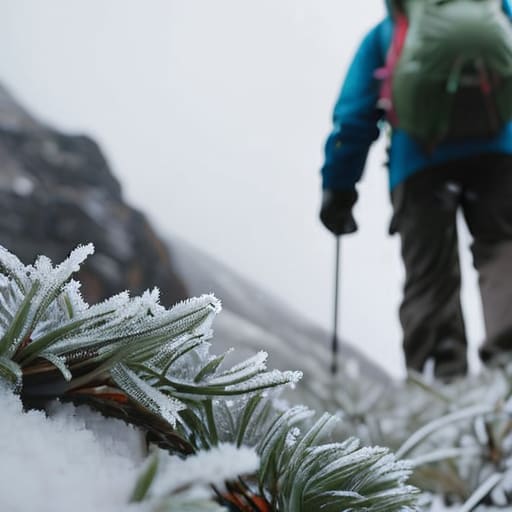
- Stop treating the forecast like a promise. I’ve spent two decades watching people plan their day around a “sunny intervals” prediction, only to be caught on a high plateau when the wind speed doubles and the visibility drops to three meters. A forecast is a probability, not a schedule; if the pressure is dropping and the clouds are thickening, you don’t wait for the rain to hit you before you start thinking about your descent.
- Respect the daylight gap. It sounds basic, but I’ve had to lead more groups back in the dark than I care to admit because someone thought they could “make up time” on the descent. In winter, your window of safety is much smaller than you think. I always aim to be off the high ground or back at the trailhead at least ninety minutes before the sun actually dips; that buffer is what saves you when a simple navigation error turns a stroll into a scramble.
- Carry more than just “emergency” food. If you’re planning a winter route, your caloric needs aren’t a suggestion—they are a requirement for heat production. I never head out without at least an extra 500 calories of something dense and easy to eat, like nuts or a high-fat bar, that I can consume without having to strip off my layers to fiddle with a wrapper. If you start shivering because you’re empty, you’re already losing the battle.
- Check your boots for more than just tread. I’ve seen people walk into a serious situation because they had great walking boots but no way to manage the moisture. If you are heading into snow or deep slush, you need to know if your footwear is truly waterproof or just water-resistant. I’ve used my current pair of leather boots through three seasons of heavy, wet snow and constant bog-hopping, and the key wasn’t the membrane—it was the way they dried out overnight. If your feet are wet at the start, they will be frozen by the end.
- Learn to recognize the “optimism trap.” This is the mental shift where you tell yourself “it’s not that cold” or “we’re almost there” even as your hands go numb and your decision-making slows down. When that voice starts talking, it’s usually time to turn back. I’ve had to call off routes for perfectly capable hikers because the wind had shifted and the temperature was plummeting, and it’s always better to be a disappointed hiker at the car than a statistic on a mountain rescue report.
The Margin for Error
People tend to treat a weather forecast like a promise, but on a ridge in mid-January, it’s more like a suggestion that you’d be wise to ignore. Safety isn’t about having the most expensive Gore-Tex; it’s about the discipline to stop and put on a layer before you start shivering, and the humility to turn around when the clouds look heavier than you planned.
Bridget Halloran
The Final Margin
At the end of the day, cold weather safety isn’t about having the most expensive technical shell or the lightest titanium stove; it’s about the discipline of the small things. It is about the decision to put on your mid-layer before you start shivering, the commitment to checking the wind chill rather than just the thermometer, and the humility to recognize when a cloud formation looks wrong. I’ve spent twenty-two years watching how quickly a well-planned route can unravel when someone ignores their body temperature or underestimates the time it takes to navigate a frozen descent. Safety is found in the boring, repetitive habits—the constant checking of gear, the monitoring of moisture, and the refusal to let optimism override the actual conditions on the ground.
The mountains don’t hold any grudges, but they also don’t offer second chances for those who treat them with casual indifference. There is a profound, quiet beauty in a winter landscape, especially when you’ve spotted a peregrine hunting against a grey sky or found a sheltered hollow during a gale, but that beauty is only accessible if you respect the margins. Learn to listen to the wind and trust your training more than your ego. If you can master the art of knowing when to turn back, you will find that the outdoors remains a place of immense wonder rather than a place of risk. Respect the cold, and it will reward you with experiences you’ll never forget.
Frequently Asked Questions
How do I know if a "moderate wind" forecast is actually going to turn into a dangerous wind chill on a ridge?
You look at the Beaufort scale and see “moderate,” but the scale doesn’t account for how a ridge compresses air. I’ve spent twenty years watching a 20mph forecast turn into a 40mph reality the moment you lose the shelter of the lee side. If the forecast says moderate, assume it’s high. Check the gusts, not the averages, and if you see the trees bending more than you’d like, get off that ridge.
At what point do I stop trying to push through the cold and actually call it a day?
You stop when your decision-making starts to feel heavy. I’ve seen it happen a dozen times: someone stops noticing the wind chill, or they start getting “the grumbles”—irritability, fumbling with zips, or just a strange, quiet apathy. If you’re spending more time fighting your kit than enjoying the view, or if the forecast has shifted and your daylight window is shrinking, you turn around. Don’t mistake stubbornness for competence. The hill will be there tomorrow.
How much extra weight should I realistically be carrying in my pack for emergency warmth if the weather turns?
Don’t let a lightweight obsession become a survival liability. I always factor in an extra 800g to 1.2kg for an emergency kit. That’s a lightweight bivvy bag, a spare heavy fleece, and a thermal foil blanket. I’ve carried this specific setup—a SOL Emergency Bivvy and an old Rab thermal layer—through three seasons of Lakeland gales and heavy snow. It’s weight you hope you never use, but it’s the difference between waiting out a storm and hypothermia.