I remember sitting in a sodden bivvy bag three years ago, watching a client try to follow a laminated “emergency checklist” while the wind stripped the heat right out of his bones. He was staring at a piece of paper instead of looking at the darkening sky or the way his companion was starting to shiver. Most people think a complete guide to emergency procedures is a collection of fancy gadgets or a list of high-tech survival tools you can buy on Amazon, but that’s a dangerous lie. In reality, the most important part of any procedure isn’t the kit in your pack; it’s the mental discipline to recognize that your plan has failed before the situation becomes irreversible.
I’m not here to sell you on expensive satellite messengers or tactical survival manuals that have never seen a day of actual grit. Instead, I’m going to give you the unvarnished truth about what actually works when the light fails and the weather turns. This is a complete guide to emergency procedures built on twenty-two years of seeing exactly where things go wrong—from the decision to push for the summit in a gale to the critical moment you realize you need to stop, shelter, and wait.
Table of Contents
Survival Kit Essentials for When the Forecast Lies
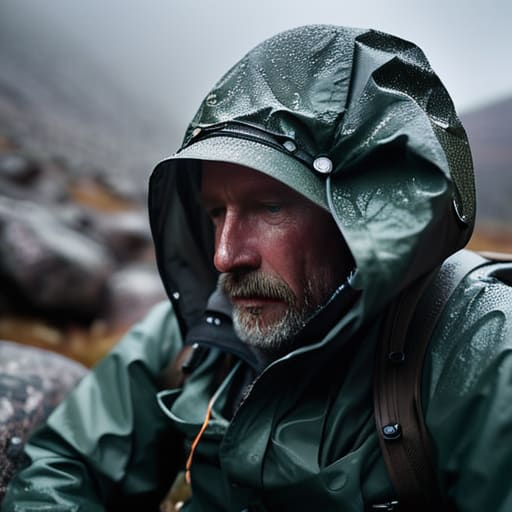
When the mist rolls in and the temperature drops faster than the barometer suggests, your survival kit essentials aren’t about luxury; they are about preventing hypothermia while you wait for help. I’ve spent the last four years carrying the SOL Emergency Bivvy in my pack—it weighs about 100g and has survived three nights of sleet in the Cairngorms—and it is the difference between a shivering nuisance and a medical emergency. Don’t bother with those tiny, flimsy foil blankets that tear the moment you try to wrap them around a shoulder. You need something substantial.
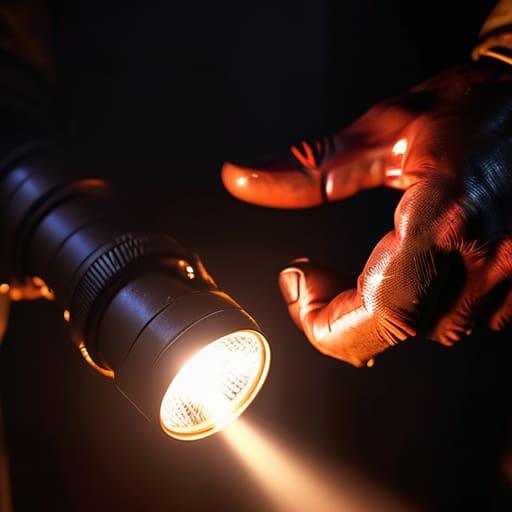
I also keep a heavy-duty headlamp, the Petzl Actik Core, which I’ve used in nearly every dark descent I’ve led over the last three seasons. It’s reliable, but even the best light won’t save you if your emergency communication plan is non-existent. I always carry a whistle and a high-decibel personal alarm. In a real crisis, your voice will fail long before your lungs do, and trying to shout for help in a gale is a waste of precious energy. Pack for the worst-case scenario, not the one you’re hoping for.
First Aid Protocols for the Unforgiving Moments
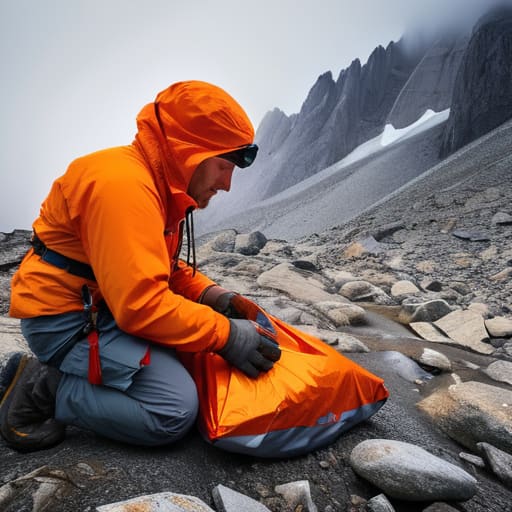
When you’re standing in a freezing scree field with a client who has twisted an ankle, your medical training matters far less than your ability to stay calm. Most people think first aid is about bandages, but in the hills, it is actually about preventing further decline. I’ve spent more time managing hypothermia than I have treating actual wounds. If you can’t keep a person dry and insulated, even the most advanced medical kit in your pack won’t stop the shivering from turning into something much more dangerous.
Your first aid protocols need to be instinctive, not something you’re reading from a manual while the wind is howling. I always carry a lightweight emergency bivvy—I’ve used mine for over four years in everything from sleet to driving rain—and it is the single most important tool for stabilizing a patient. Before you even touch a wound, you must secure the environment. If you haven’t already established an emergency communication plan to signal for help, you are essentially just waiting for the situation to get worse. Focus on the basics: insulation, shelter, and keeping that person still.
The Decisions That Actually Matter When Things Go Wrong
- Stop trusting your internal clock when the light fails. I’ve seen too many people try to push through a final mile in the dark because they thought they could make up time, only to end up lost on a scree slope. If your plan was to be off the ridge by 4:00 PM and it’s 3:45 PM and the cloud is dropping, you turn around. Period.
- Learn the difference between a ‘heavy mist’ and a ‘whiteout.’ I spent three years as a ranger watching people walk straight off embankments because they thought they could navigate by feel. If you can’t see the ground two meters in front of your boots, you stop, you layer up, and you wait—or you find a way to navigate by compass, not by instinct.
- Master your emergency communication before you actually need it. I’ve carried the Garmin inReach for four years now, through gale-force winds in the Cairngorms and sleet in the Lakes; it’s a lifeline, but it’s useless if you haven’t practiced the interface in the cold. Don’t let your first time using a PLB be when your fingers are too numb to press the buttons.
- The ‘Stay Put’ rule isn’t just advice; it’s survival. When someone goes missing or gets injured, the impulse is to wander around looking for them, but that just doubles the search area and burns your own energy. If you are the one in trouble, find shelter, get your layers on, and stay put. Movement in a crisis is often just a fast way to get more lost.
- Respect the weight of your decisions. Every piece of kit in your pack is a trade-off between speed and safety. I’ve carried 15kg packs for twenty years, and I can tell you that the heaviest thing you’ll ever carry is the regret of a decision made when you were too tired to think clearly. If the weather shifts, your priority isn’t the summit; it’s the descent.
The Gap Between Planning and Reality
An emergency procedure isn’t a set of steps you read in a manual while sitting in a dry cafe; it is the decision you make at 4:00 PM on a saturated ridge when the wind is hitting forty knots and you realize your ‘plan B’ is the only thing standing between a long night and a very bad one.
Bridget Halloran
The Margin Between Safety and Crisis
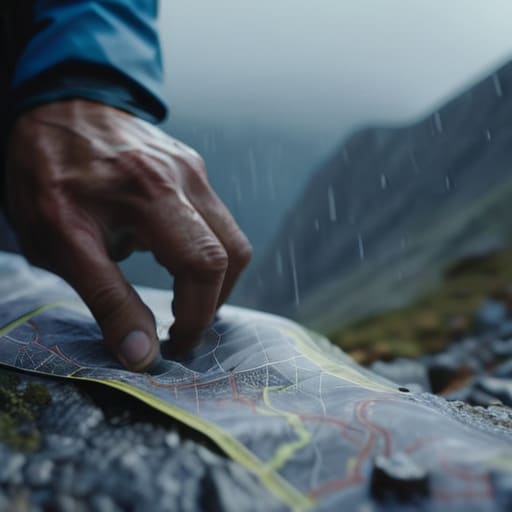
At the end of the day, an emergency procedure isn’t just a list of items in your pack or a set of steps in a manual; it is the ability to maintain your head when the wind is howling and the visibility has dropped to five metres. We have covered the kit you need when the forecast fails and the specific first aid steps required when things go wrong, but the common thread is preparation. You cannot improvise a survival kit while you are shivering in a ditch, and you cannot learn a medical protocol once the adrenaline has spiked. Success in the hills comes down to minimising the variables—having the right layers, the right light, and the right mindset before the first cloud bank even hits the ridge.
I have spent twenty-two years watching people walk into trouble because they thought they had “just five more minutes” of daylight. The mountains don’t care about your itinerary or how much you paid for your waterproofs; they only respond to the decisions you make in the moment. Respect the gap between a good day and a dangerous one by valuing your exit strategy as much as your summit. If you listen to the terrain and honour your own limits, the hills will always be a place of wonder rather than a place of consequence.
Frequently Asked Questions
How do I decide whether to stay put and wait for help or try to navigate my way down when the visibility drops to zero?
If visibility hits zero, stop. I’ve seen too many people try to “push through” a whiteout only to end up walking off a cornice or a crag they didn’t know was there. Unless you are in immediate, life-threatening danger—like a rising flood or rockfall—stay put. Get your layers on, get your shelter up, and wait. Navigating by compass in zero visibility is a skill that fails the moment your hands go numb and your head starts spinning.
What are the specific signs that a group member is moving from simple exhaustion into actual hypothermia, and how do I manage it on the move?
Watch for the “umbles”: stumbling, mumbling, fumbling, and grumbling. When they stop being annoyed by the weather and start being indifferent to it, you’re in trouble. I’ve seen it happen on a ridge in November; they stop shivering and start acting glassy-eyed. Don’t try to push through. Stop immediately, get them out of the wind, swap their damp layers for my spare dry fleece (I’ve used this specific mid-layer for four seasons in wet conditions), and get calories in them.
When is it actually worth it to use a PLB or satellite messenger versus trying to find signal on a mobile phone?
If you’re staring at a single bar of signal while the wind is picking up, you’ve already waited too long. I’ve spent enough time in steep corries to know that “searching for signal” is often just a way to burn daylight and body heat. If the situation is life-threatening—a broken limb, a fall, or rapid weather deterioration—use the PLB. Don’t gamble on a mobile network that likely won’t exist when you actually need it.