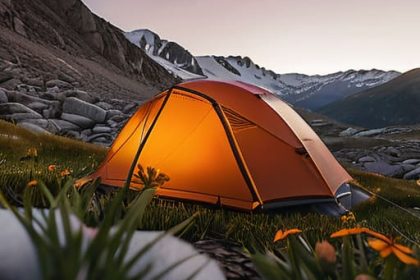
I remember sitting in a cramped, damp tent during a three-day soak in the Cairngorms, listening to the wind hammer against the flysheet and realizing that the silence between me and the two hikers in the next pitch was becoming unbearable. There is this pervasive, polished myth in self-help books that you need a complex psychological strategy or a witty, rehearsed anecdote to break the ice. It’s nonsense. Most people treat learning how to start a conversation with a stranger like they’re preparing for a technical summit, overthinking every syllable until the moment has passed and the weather has turned. In reality, social friction is a lot like a heavy pack; if you try to carry too much complexity at once, you’re just going to end up exhausted and awkward.
I’m not here to give you a list of “magic phrases” or some high-concept social theory that hasn’t been tested in the real world. I want to talk about the groundwork—the small, low-stakes observations that act like a reliable compass when you’re feeling lost. I’ll be sharing what I’ve learned from twenty years of navigating unpredictable terrain and unpredictable people, focusing on how to keep things simple, grounded, and honest. No fluff, no scripts, just the practicalities of making a connection without tripping over your own feet.
How to Approach People in Public Without Overstepping

If you find yourself feeling particularly stuck when trying to bridge that gap between being a bystander and actually engaging, it helps to have a bit of a roadmap for different social environments. Just as I wouldn’t head into a gale without checking the latest topographical maps, you shouldn’t head into a new social setting without understanding the local “terrain.” For those looking to navigate more specific or intimate social landscapes, finding reliable sex contacts can act as a bit of a navigational guide, helping you understand the unspoken rules and expectations of the space before you make your move. It’s about reducing the guesswork so you aren’t constantly second-guessing your footing.
Approaching someone in a public space is a lot like navigating a narrow, boggy track in low visibility; if you charge in blindly, you’re going to trip over something, and usually, that something is the other person’s personal space. I’ve spent two decades reading landscapes to avoid mistakes, and I apply that same logic to people. Before you even open your mouth, you need to read the environmental cues. If someone has headphones in or is staring intently at a book, they’ve essentially pitched their tent for the night—they aren’t looking for company. Learning body language for social confidence means recognizing when the “weather” is closed.
If the coast looks clear, keep your approach gradual. Don’t go for a heavy, complex topic right out of the gate. I find that the best small talk techniques involve making a comment about the shared environment—the long queue, the sudden rain, or even a dog passing by. It’s a low-stakes way to test the ground. If they give you a one-word answer and look away, you’ve reached the edge of the plateau; back off gracefully. If they engage, you’ve found a stable footing.
Body Language for Social Confidence in Unstable Social Weather
When I’m leading a group through a narrow pass in a sudden mist, I tell them to watch their footing and keep their center of gravity low. Socially, it’s not much different. If you approach someone with your shoulders hunched and your gaze fixed on the ground, you’re sending a signal of retreat before you’ve even opened your mouth. Body language for social confidence isn’t about performing or acting like the loudest person in the room; it’s about occupying your space without being a hazard. I’ve spent twenty years reading the terrain, and I can tell you that a person who looks closed off—arms crossed, head down—is essentially a closed gate.
Instead, think of your posture like a well-pitched tent: stable, open, and prepared for the elements. Keep your chest open and your hands visible. When you’re looking for small talk techniques to bridge the gap, remember that eye contact should be like a steady glance at a map—brief, intentional, and then released. You don’t want to stare them down like a hawk spotting a vole, but you also shouldn’t be scanning the horizon for an escape route. Aim for a relaxed, upright stance that says you are present, but not encroaching on their personal airspace.
Reading the Terrain: Five Ways to Break the Silence
- Check the social visibility first. Just like I wouldn’t attempt a ridge scramble when the cloud base is dropping below the summit, don’t force a conversation if someone has headphones in or is buried in a book. They’ve effectively put up a weather warning; respect the boundary and keep moving.
- Start with a shared observation rather than a direct interrogation. If you’re waiting for a bus or standing in a queue, comment on something external—the sudden downpour or the delay. It’s a low-stakes way to test the wind direction before you commit to a longer dialogue.
- Keep your opening lightweight. You wouldn’t pack a heavy canvas tent for a quick afternoon scramble, so don’t lead with a heavy, personal question. Keep your first few sentences simple and grounded. If they give you a one-word answer, they’re telling you the conditions aren’t right for a deep dive.
- Use the ‘exit strategy’ approach. I always tell my groups that the best way to manage a climb is knowing exactly when to turn back. When meeting someone, signal early that you aren’t planning to take up their whole afternoon. A quick, “I’m just headed off in a minute, but I had to ask…” lowers the social pressure for both of you.
- Watch for the reciprocal response. In the hills, you look for signs of changing weather; in conversation, you look for signs of engagement. If they turn their body toward you and offer more than a nod, the weather is clearing. If they stay turned away, don’t push it—just move on to the next patch of ground.
Navigating the Social Terrain
At the end of the day, starting a conversation is a lot like managing a descent in fading light; you need to be aware of your surroundings, respect the boundaries of others, and read the subtle shifts in the atmosphere. We’ve talked about checking your body language to ensure you aren’t projecting a closed-off stance, and the importance of approaching with a clear, non-threatening intent that doesn’t crowd the other person’s personal space. It isn’t about having a perfect, rehearsed script. It’s about reading the social weather and knowing when to move forward and, more importantly, when to respect a silent signal and step back. If you approach with a bit of situational awareness and a grounded presence, you’ve already done the hardest part of the work.
I’ve spent twenty-two years watching people navigate the hills, and the ones who have the most rewarding experiences are rarely the ones who charge ahead without thinking. They are the ones who are willing to be a little bit vulnerable, to step out of their comfort zone, and to simply engage with the world as it is. Don’t wait for the perfect, sunny conditions to try and connect with someone; the most meaningful connections often happen in the unpredictable, messy middle of life. Just keep your eyes open, trust your instincts, and remember that every stranger is just a person standing on the same ridge as you, waiting for someone to say hello.