I’ve spent twenty-two years watching people make the same mistake: they walk into a shop, see a shiny, high-tech boot with enough Gore-Tex to wrap a small house, and assume they’ve bought safety. Most “expert” advice online is just a recycled press release designed to sell you the most expensive leather in the catalog. But I’ve sat in the back of an ambulance on a Tuesday morning because someone thought a lightweight trail shoe was sufficient for a scree slope in a sudden downpour. If you are looking for a complete guide to walking boots that promises magic solutions or tells you that “more expensive is always better,” you are reading the wrong page.
I don’t care about the marketing fluff; I care about whether those boots will hold up after four days of soaked peat bogs and freezing shale scrambles. In this guide, I’m going to strip away the jargon and tell you what actually matters—weight, grip, and how a boot handles a real change in weather. I will tell you exactly how many miles I’ve put into the gear I recommend and, more importantly, what happens when the forecast fails. No hype, just the honest reality of what keeps your feet dry and your group moving.
Table of Contents
Leather vs Synthetic Boots Choosing Your Armor
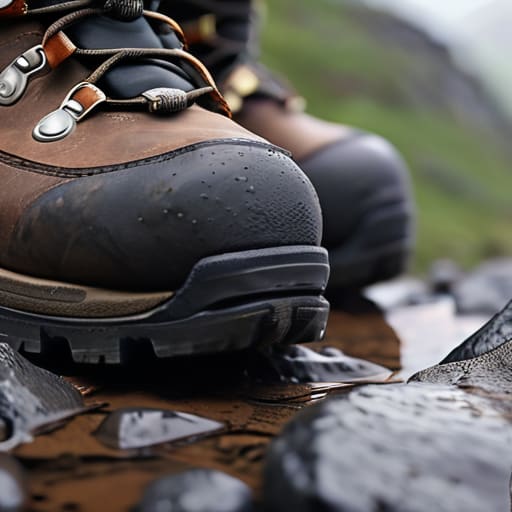
I’ve spent two decades deciding which pair to lace up before a long day, and the debate of leather vs synthetic boots usually comes down to how much you value your time versus your comfort. I’ve worn traditional full-grain leather boots through four seasons of heavy Scottish mist and boggy descents; they are heavy, and they take a hell of a lot of work during the breaking in new boots phase, but they offer a level of durability that synthetics struggle to match. If you are planning a multi-day trek where you’ll be kicking against granite and scree, leather is your armor.
On the other hand, I’ve used several lightweight synthetic models over the last three years for faster, summer scrambles. They rely heavily on breathable membrane technology to manage moisture, and while they feel much better on day one, they tend to lose their structural integrity faster once the upper starts to fray. Synthetics are excellent for weight savings, but they don’t offer the same long-term protection against the elements that a well-oiled leather boot provides when the weather turns.
Breathable Membrane Technology and Staying Dry
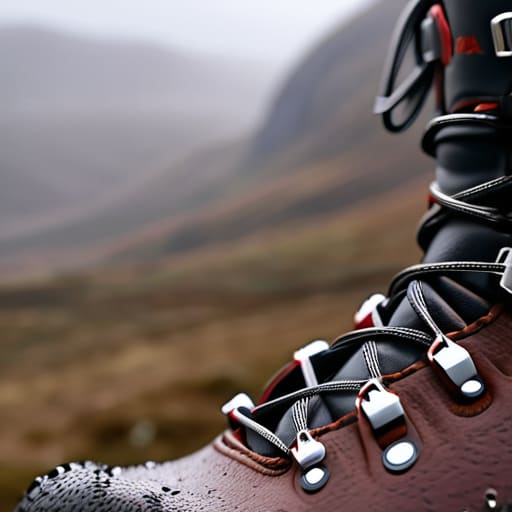
The marketing brochures will tell you that a membrane is a magical barrier that lets sweat out while keeping rain out. In reality, it’s a delicate balancing act. I’ve spent the last four seasons testing various Gore-Tex lined boots through heavy mist on the Cairngorms and humid, mid-summer climbs in the Lake District. What I’ve learned is that breathable membrane technology is only as good as your pace and the ambient temperature. If you’re working hard on a steep ascent, your body produces heat faster than any thin layer of polymer can vent it. You’ll end up with “wet feet” that aren’t caused by rain, but by your own perspiration trapped inside.
When I’m choosing waterproof hiking footwear for a multi-day trek, I look for the intersection of membrane quality and mechanical ventilation. If the boot is heavy-duty leather, it often manages moisture better through natural pores, even if the membrane is slightly less efficient. I’ve sat in a damp tent after a long day, and the boots that kept me dry were the ones that didn’t turn into little plastic greenhouses. Don’t just trust the “waterproof” label; understand that moisture management is a two-way street.
Five things your feet will tell you when the weather turns
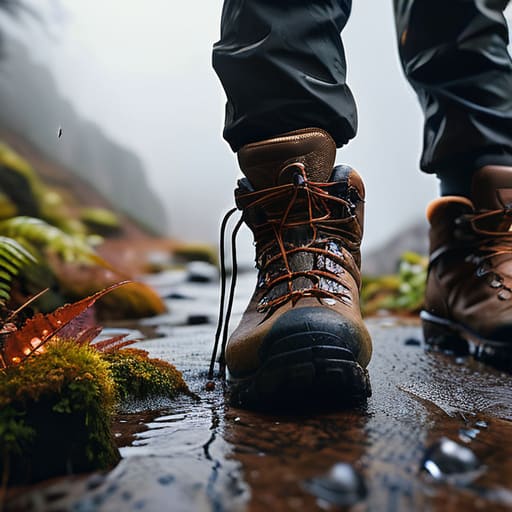
- Don’t trust the shop floor. I’ve spent twenty-two years watching people buy boots that feel “comfy” in a brightly lit shop, only to find they’ve turned into torture devices three hours into a descent on wet scree. If you can’t walk in them for at least an hour in a shop—ideally with the exact socks you plan to use on the hill—don’t buy them.
- Size up for the descent. I’ve used the same pair of heavy leather boots for six seasons now, and I always ensure there’s a thumb’s width of space in the toe box. When you’re navigating a steep, technical descent in the rain, your feet will swell; if your toes hit the front of the boot, you aren’t just looking at bruised nails, you’re looking at a ruined day.
- The “wet test” is non-negotiable. I don’t care how much a brand promises “waterproofness” in their marketing; I only trust a boot once I’ve sat in a peat bog for twenty minutes in it. If you haven’t tested how the boot handles saturated ground, you’re just gambling with your comfort.
- Lacing is a tool, not a formality. I’ve had to re-lace my boots mid-route more times than I can count because the tension wasn’t right for the terrain. Use different lacing patterns for the ascent to allow for foot expansion, and tighten the ankle support firmly before any technical scrambling or steep descents.
- Treat the waterproofing like your life depends on it—because when the wind picks up on a ridge, it basically does. I apply Nikwax to my boots every single time they get thoroughly soaked, regardless of how “new” they look. If the DWR coating fails and the leather starts drinking water, the weight of the boot doubles and your feet will never get warm again.
The Cost of an Optimistic Decision
I’ve spent more time helping people navigate off-path in the dark because they thought their boots were ‘good enough’ than I care to admit; a boot isn’t just footwear, it’s the difference between finishing a ridge at sunset and spending a very long, very cold night shivering in a ditch because your feet gave up three hours too early.
Bridget Halloran
The Final Decision
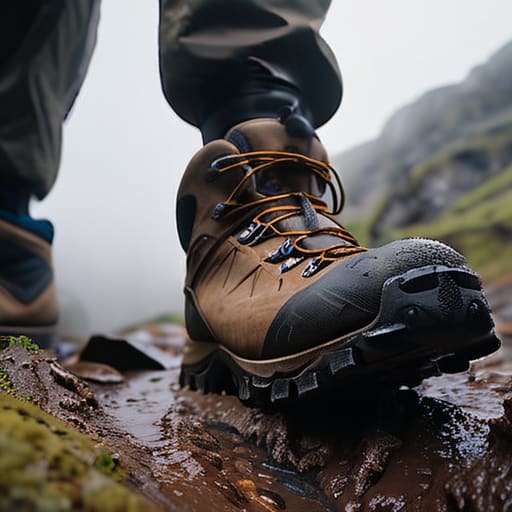
At the end of the day, there is no single “perfect” boot, only the one that matches the specific reality of your next route. You have to weigh the heavy-duty, long-term reliability of leather against the lighter, more immediate flexibility of synthetics, and balance that against how much moisture you actually expect to manage. I’ve spent twenty-two years watching people make the mistake of buying for the sunny walk they hope to have, rather than the soaked, uneven terrain they are actually going to encounter. Whether you choose a membrane-heavy technical boot or a classic leather pair, ensure you have tested them on something more demanding than your driveway before you find yourself halfway up a ridge with a blister that makes every step feel like a mistake.
Don’t let the technical jargon or the marketing gloss distract you from the most important factor: your own feet. A boot is just a tool, and like any tool, it is only as good as your understanding of its limits. If you invest the time to get the fit right and respect the terrain you are entering, your footwear will become an extension of your body rather than a hindrance. The hills are waiting, and they don’t care about how much you spent on your kit, but they certainly notice when you are unprepared. Choose wisely, pack your spares, and then get out there.
Frequently Asked Questions
How often do I actually need to replace my boots before the structural integrity fails, even if they still look fine?
Don’t trust your eyes; trust your feet and the midsole. I’ve seen boots that look pristine but have completely delaminated at the sole because the adhesives gave up after three seasons of heavy use in wet, freezing conditions. If you start feeling the ground more than usual, or if the boot feels “mushy” on a descent, the structural integrity is gone. For me, it’s usually every 500–700 miles, regardless of how much polish they have.
When is it better to go with a heavy, stiff leather boot over a lighter synthetic one for technical terrain?
If you’re heading into scree slopes or carrying a heavy multi-day pack, you want leather. I’ve spent ten days straight on the Cairngorms with a 15kg pack, and a stiff leather sole is the only thing that stopped my feet from fatiguing on the uneven rock. Synthetics are fine for day hikes, but for technical, broken ground where you need ankle stability and protection against sharp shale, that extra weight is a non-negotiable insurance policy.
How do I properly break in a new pair to avoid the blisters that usually force me to turn back mid-route?
You don’t break in boots on a mountain; you do it in your garden or on the local footpaths. I’ve seen too many people try to “test” new leather on a three-day trek, only to end up hobbling back in the dark because of a heel rub. Wear them around the house first, then short, flat walks. Gradually increase the weight of your pack and the terrain. If they pinch now, they’ll bite later.