I once spent four hours huddled under a granite overhang in the Cairngorms, watching a group of “highly prepared” hikers stare blankly at a map while the wind stripped the heat straight out of their bones. They had the expensive Gore-Tex shells and the latest GPS gadgets, but they lacked the one thing no manual can truly teach: the ability to recognize when a plan has become a liability. Most resources claiming to offer a complete guide to group leadership outdoors focus far too much on technical navigation and not nearly enough on the psychology of a turning point. They tell you how to read a compass, but they don’t tell you how to handle the specific, heavy silence that falls over a group when they realize they’ve made a mistake.
I’m not here to sell you on a dream of heroic summits or perfect weather. Instead, I want to talk about the unglamorous, vital skills that actually keep people safe—the stuff like managing fatigue, reading the subtle shifts in a cloud base, and having the backbone to call an expedition off. This is my version of a complete guide to group leadership outdoors, built on twenty-two years of hard-won mistakes and actual field experience. I’ll tell you what works, what’s just marketing fluff, and exactly when you need to stop walking.
Table of Contents
Risk Assessment in Outdoor Activities Before the Sky Turns
Risk assessment in outdoor activities isn’t about filling out a tidy spreadsheet in a warm office; it’s about the mental heavy lifting you do while you’re still tying your laces. I’ve seen too many leaders treat a risk assessment as a checkbox exercise to satisfy an insurance company, only to find themselves staring at a group of shivering teenagers on a scree slope because they ignored the subtle signs of a pressure drop. You need to look at the terrain, the group’s fatigue levels, and the specific window of daylight you actually have. True wilderness leadership skills start with the ability to look at a mountain and see not just the summit, but every potential point of failure between here and there.
When you’re out there, your assessment has to be live. It’s a constant, quiet recalibration. If the wind picks up or a participant starts showing that specific, glassy-eyed look of mild hypothermia, your plan has to change immediately. I don’t care how much they paid for the trip or how close the ridge looks; deciding to turn back is a successful risk management strategy, not a failure. Managing the gap between what people expect and what the environment is actually offering is the hardest part of the job.
Effective Field Communication When Everyone Is Tired and Cold
When the temperature drops and the wind starts biting through your layers, the first thing to go isn’t your warmth—it’s your ability to process information. I’ve been in situations where a simple instruction from a leader is met with blank stares because the group is too focused on their shivering hands or their heavy boots. This is where effective field communication becomes a survival skill rather than a soft skill. You cannot rely on long, complex explanations when people are hitting a wall. Keep your commands short, your tone steady, and your eyes on the group. If you see someone drifting into silence, don’t assume they’re just tired; they might be slipping into hypothermia or simply losing the mental thread of the route.
Managing group dynamics in nature requires you to listen to what isn’t being said. I’ve learned that the most dangerous moment in any expedition is when the chatter suddenly stops. Silence usually means exhaustion, or worse, a lack of confidence in the plan. Use a “check-back” method: ask a specific person to repeat the next waypoint or the timing for the next break. It’s not about being a drill sergeant; it’s about ensuring the information actually landed before the light fails.
The Logistics of Not Getting Stuck: Five Non-Negotiables
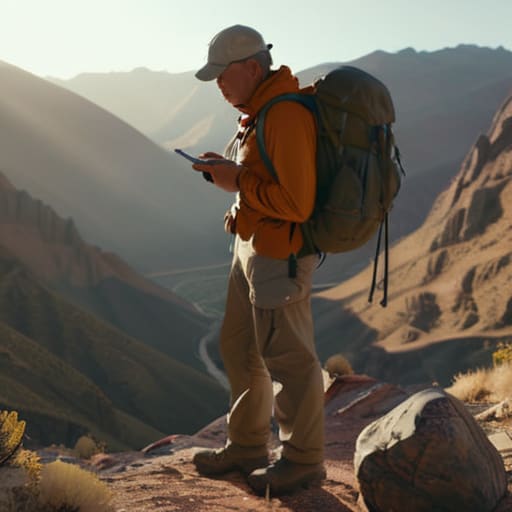
- Watch the clock, not just the map. I’ve seen too many groups lose their daylight because they spent forty minutes debating a junction or admiring a view. You need to set hard “turn-back” times for specific landmarks; if you haven’t reached the ridge by 2:00 PM, the plan changes, regardless of how much the group wants to reach the summit.
- Manage the energy, not just the pace. When people get hungry or cold, their decision-making goes out the window. I always carry a handful of high-calorie snacks specifically for the “slump” periods—usually around mid-afternoon—because a person with low blood sugar is a person who is going to make a mistake with a carabiner or a compass.
- Layering is a preventative tool, not a reaction. I’ve used my Rab Microlight for five years in everything from damp Lake District valleys to freezing Scottish ridges, and the rule is always the same: if you feel yourself starting to sweat, you’ve already failed. Stop, find a sheltered spot, and add a layer before the moisture turns into a chill you can’t shake.
- Trust your kit, but trust your eyes more. A waterproof jacket might be rated for a storm, but if the wind is gusting at 40mph and the temperature is dropping, that jacket isn’t a magic shield. I don’t care what the manufacturer’s spec sheet says; if the sky looks heavy and the wind is shifting, you prepare for the worst-case scenario, not the advertised one.
- Know your group’s “silent” limits. People are notoriously bad at admitting they are struggling, especially when they don’t want to be the reason the group slows down. You have to look for the subtle signs—the heavy breathing, the lagging steps, the way they stop checking their surroundings—and address it directly before it becomes a physical collapse.
The Cost of a Bad Decision
Most people think leadership is about knowing the way, but it’s actually about knowing when the way is no longer worth it; I’ve seen more groups compromised by a single moment of misplaced optimism than by any actual storm, because a storm is just weather, but optimism is a choice that ignores the daylight running out.
Bridget Halloran
The Margin Between Success and a Rescue Call
At the end of the day, group leadership isn’t about the grand vistas or the summit photos; it’s about the invisible work you do when no one is watching. It is the meticulous risk assessment you performed while drinking coffee at the trailhead, the clear and calm way you communicated when the wind started howling, and the uncomfortable decision to turn back when the group’s energy hit zero. If you have managed the weather, the communication, and the safety protocols correctly, the mountain stays a place of learning rather than a place of crisis. Remember, your job isn’t to force a route to completion, but to manage the gap between a good day out and a situation that requires a mountain rescue team.
Being a leader means carrying a certain weight of responsibility that most people never see. You will feel the pressure to keep going when the daylight is fading, but the best leaders I know are the ones who respect the mountain enough to walk away. There is a quiet, profound satisfaction in knowing that your group is heading home safe, tired, and slightly damp, rather than stuck on a ridge in a whiteout. Trust your training, listen to the terrain, and never let optimism override your judgment. The hills will still be there tomorrow, but your ability to lead depends entirely on your willingness to respect the limits of the day.
Frequently Asked Questions
How do I decide when a "marginal" weather forecast actually warrants turning the group around?
I look at three things: the speed of the wind increase, the temperature drop, and the “mental fatigue” of the group. If the forecast says 40mph gusts and you’re already seeing those white-caps on the tarns, you don’t wait for the gale to hit. If your slowest walker is shivering despite their layers, that’s your signal. I’ve turned groups around in bright sunshine because the barometer was dropping too fast to gamble on.
What is the best way to manage a group member who is physically capable but mentally checked out due to fatigue?
When someone is physically fine but mentally checked out, they’ve become a liability. They aren’t making decisions; they’re just following. I’ve seen it happen on long, wet traverses where a person stops noticing the terrain because they’re stuck in their own head. Don’t lecture them. Instead, give them a specific, tactile job—check the map, monitor the group’s pace, or keep an eye on the light. It forces the brain back into the present.
When building a group kit list, how much extra weight should I expect to carry to cover everyone's potential mistakes?
You aren’t just carrying gear; you’re carrying their margin for error. I always factor in an extra 3–4kg for my own pack—specifically for “group safety” items like a heavy-duty emergency shelter, extra high-calorie fuel, and a comprehensive first aid kit. I’ve spent fifteen years carrying the consequences of someone forgetting a waterproof layer or a headtorch. If you’re planning a route, assume at least one person will under-pack.