I remember standing on a ridge in the Cairngorms three years ago, watching a group of hikers freeze in place because they’d followed some glossy magazine’s version of a “complete guide to layering” instead of actually looking at the sky. They were stuffed into heavy, non-breathable puffers while they were still moving, sweating through their base layers until they were effectively soaked from the inside out. By the time the wind picked up and the temperature dropped, they weren’t just cold; they were dangerously wet and shivering. Most people think layering is about buying the most expensive technical shells on the market, but it’s actually about managing the moisture you create yourself before the weather decides to turn on you.
I’m not here to sell you on high-tech gimmicks or tell you that you need a twenty-gram titanium zipper to stay warm. What I will give you is a pragmatic, no-nonsense approach based on two decades of watching how fabric actually behaves when the rain turns to sleet. I’ll tell you exactly which combinations I’ve used in horizontal rain and which ones are just expensive marketing fluff. This isn’t a list of products; it’s a strategy for staying dry, staying warm, and making sure you’re the one making the decisions, rather than the mountain making them for you.
Table of Contents
Moisture Wicking Base Layers Managing the Sweat That Freezes
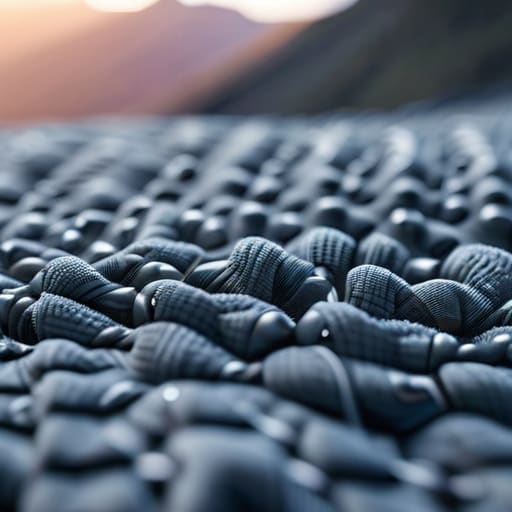
The biggest mistake I see people make isn’t forgetting a jacket; it’s wearing a base layer that stays wet. Once that sweat sits against your skin, your core temperature doesn’t just drop—it plummets the moment you stop moving. This is why moisture wicking base layers are non-negotiable. You need something that pulls the dampness away from your skin and moves it toward the next layer in your outdoor apparel layering system.
I’ve spent the last four seasons testing different merino blends against my skin during high-exertion scrambles in the Lake District. I recently put a 150g merino wool long-sleeve through three days of heavy mist and constant climbing; it stayed remarkably effective at temperature regulation clothing duties, even when I was working up a significant sweat. Synthetic options have their place for pure speed, but for long, slow days where you might be sitting still to observe a bird of prey, merino is harder to beat. Just remember: if your base layer feels heavy and sodden, you’ve already lost the battle. Stop, vent, and adjust before the chill sets in.
Insulating Mid Layers the Real Math of Temperature Regulation
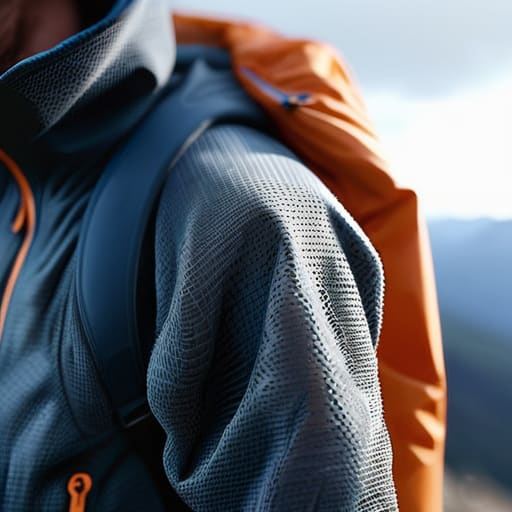
If your base layer is about managing sweat, your insulating mid layers are about managing air. This is where most people get it wrong by over-relying on a single, heavy fleece. In my twenty-two years on the hills, I’ve seen too many people get soaked from the inside out because they wore a thick, non-breathable jumper that trapped moisture against their skin. The real math of temperature regulation isn’t about how much fluff you have; it’s about how much air you can trap and, more importantly, how easily you can move that air.
I personally rely on a two-part system: a lightweight grid fleece for active movement and a more substantial synthetic loft jacket for when the wind picks up or we stop for a break. I’ve used my Rab Proton jacket for over three seasons, mostly in the wet, biting conditions of the Lake District, and it holds its loft far better than down when things get damp. You want to build an outdoor apparel layering system that allows you to add or shed warmth in increments of ten minutes, not in massive, clumsy chunks.
Five Rules for When the Forecast Lies

- Stop treating your waterproof shell like a fashion choice; it is your final line of defense, and if it isn’t breathable enough to handle your exertion, you’ll be soaking from the inside out before you even reach the summit.
- Learn to recognize the ‘pre-shiver’—that slight, internal tremor that tells you your mid-layer has lost its loft or your base layer is damp—and stop walking to “warm up” when you should be stopping to adjust.
- Avoid the “optimism trap” of carrying one heavy fleece because the morning looks clear; I’ve seen too many groups caught out when a bright start turns into a sideways sleet by 2:00 PM, and they didn’t have the weight budget for a proper insulated layer.
- Manage your output, not just your clothes; if you feel yourself starting to sweat on a steep ascent, strip a layer off immediately, because once that moisture is trapped against your skin, you are effectively wearing a cold, wet sponge for the rest of the day.
- Check your vent points before you start moving; I’ve spent years watching people struggle with stuck zippers in the dark, so make sure your pit zips and neck openings are accessible and working perfectly before you leave the trailhead.
The Danger of the Warm Start
I’ve seen more people hypothermic on a descent than I have on an ascent, and it’s almost always because they were too busy sweating through their base layers on the way up to realize they’d lost their ability to regulate once the wind picked up. Layering isn’t about staying warm; it’s about managing the moisture that wants to turn you into an ice block the moment you stop moving.
Bridget Halloran
The Final Layer
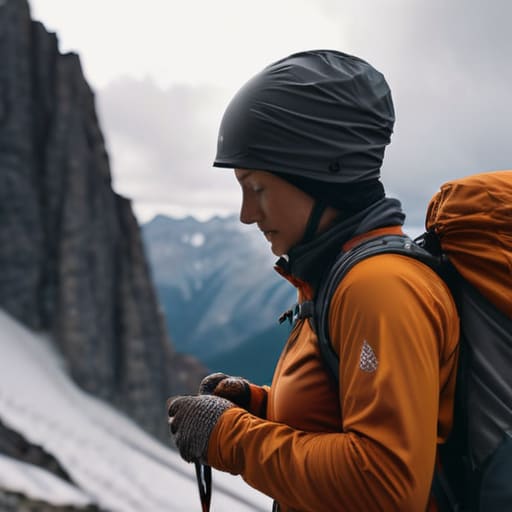
At the end of the day, layering isn’t about having the most expensive kit in your pack; it’s about understanding the relationship between your exertion and the environment. You need that moisture-wicking base layer to stop you from soaking yourself from the inside out, a reliable mid-layer to trap heat when the wind picks up, and a shell that actually stands a chance against a real downpour. I’ve spent twenty-two years watching people make the mistake of waiting until they are already shivering to reach for their fleece. By then, you’re already behind the curve. Remember that managing your microclimate is a proactive task, not a reactive one. If you wait until you feel cold, you’ve already lost the battle against the mountain.
There is a specific kind of peace that comes from being properly prepared when the weather turns foul on a ridge. When the clouds drop and the temperature plummets, there is no panic—only the calm, methodical process of adding a layer or shedding a shell. The mountains don’t care about your plans, but they do respect a person who respects the elements. If you get your layering right, you aren’t just surviving the hike; you are actually present for it. You can stop worrying about your core temperature and start looking for the peregrine, or simply watching how the light hits the scree. Respect the variables, and the hills will keep welcoming you back.
Frequently Asked Questions
How do I know when to actually strip a layer off before I'm already soaked in sweat?
The golden rule is to strip a layer the moment you feel the slightest hint of warmth building up. If you wait until you’re actually sweating, you’ve already lost. I’ve sat in a lee on a ridge in the Cairngorms, watching people shiver because they waited too long to vent, and they were soaked through within twenty minutes. If you feel “comfortable,” you’re probably a layer away from being too hot. Move early.
Is there a point where adding more weight in mid-layers becomes a liability rather than a benefit?
Yes, absolutely. I’ve seen people carry three heavy fleece mid-layers “just in case,” only to spend the entire ascent drenched in sweat because they couldn’t shed the weight fast enough. Once you’re soaked, that extra insulation becomes a liability—it traps moisture and pulls heat from your body. I prefer carrying one high-quality, compressible synthetic mid-layer (I’ve used my Patagonia Nano-Air in everything from sleet to heavy mist for three seasons) over several heavy, bulky options.
How should my layering strategy change when the wind speed picks up on an exposed ridge versus being in the lee of a hill?
When you’re in the lee, you can afford to be a bit more relaxed with your ventilation; you’re managing metabolic heat. But once you hit that exposed ridge, the math changes instantly. Wind chill isn’t a suggestion; it’s a thief. I always keep my hard shell clipped to the outside of my pack, not buried at the bottom. If the wind picks up, you stop, add that windproof layer immediately, and seal the heat in before you start shivering.