I’ve spent twenty-two years watching people pack half a mountain of expensive, lightweight titanium gear only to end up shivering in a damp bivvy because they forgot that a “clear forecast” means nothing when the wind shifts on a ridge. Most people think a complete guide to wild camping should be a list of shiny gadgets and Instagrammable locations, but that’s exactly how you end up making an optimistic decision that turns into a survival situation. I’m not interested in the hype or the gear that looks good in a catalog; I’m interested in what actually keeps you dry when the rain starts horizontal and the daylight vanishes faster than you expected.
In this guide, I’m stripping away the marketing fluff to give you the reality of life on the hills. I won’t tell you what a press release says; I’ll tell you how a piece of kit actually performs after three days of heavy mist or how to read a landscape so you aren’t pitching your tent in a natural drainage line. This is a no-nonsense approach to the logistics, the layering, and the boring, vital details that ensure your trip is a success rather than a lesson in poor planning.
Table of Contents
Wild Camping Gear Essentials That Actually Work
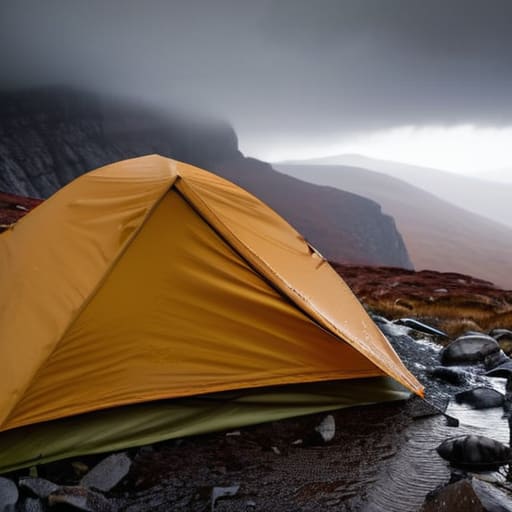
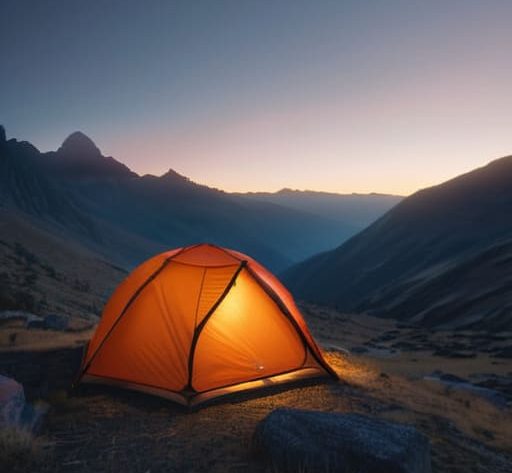
I’ve spent two decades watching people carry far too much of the wrong stuff, or worse, not enough of the right stuff. When you are building your wild camping equipment checklist, stop looking at what’s trendy and start looking at what survives a wet Tuesday in the Cairngorms. For me, the shelter is the non-negotiable. I’ve used my Terra Nova Nova Lite tent in gale-force winds and horizontal sleet for the last three seasons; it weighs 1.3kg and, while it isn’t a fortress, it hasn’t failed me yet. If your tent can’t handle a steady wind without sounding like a drum kit, you aren’t camping, you’re just waiting to get cold.
Layering is where most people make that “one optimistic decision” I mentioned earlier. I don’t care if the sun is out when you leave the trailhead; if you aren’t carrying a dedicated mid-layer and a high-quality waterproof, you are courting hypothermia. I’ve worn my Patagonia R1 fleece on almost every multi-day route since 2018, and it remains the only thing that manages moisture without letting the chill settle in. Beyond the kit, remember that your gear must respect the land. Following leave no trace principles isn’t just about being polite; it’s about ensuring these spaces remain intact for the wildlife I spend my life tracking.
The Best Locations for Wild Camping and When to Turn Back
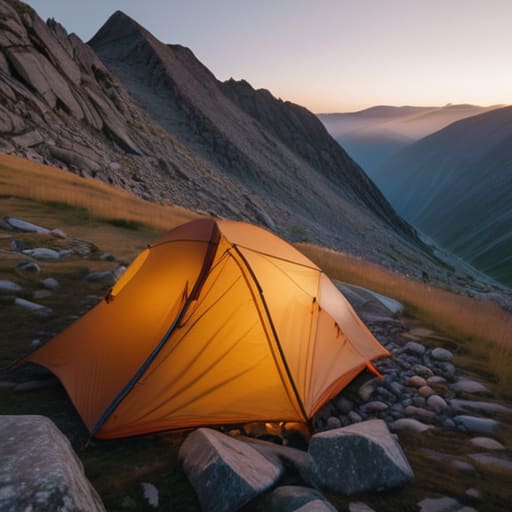
Finding the right spot isn’t about finding the most scenic view; it’s about finding ground that won’t swallow your pegs or leave you sitting in a puddle by 3:00 AM. I generally look for firm, slightly elevated ground away from the direct line of sight of established paths. You want to be tucked away, but not so deep in a hollow that you become a natural collection point for cold air drainage. Most importantly, you have to follow leave no trace principles religiously. If you aren’t pitching on durable surfaces like rock, gravel, or short grass, you’re just damaging the very landscape you came to see.
The harder part isn’t finding the site, though—it’s knowing when the site is no longer worth the risk. I’ve learned the hard way that “just one more mile” is a dangerous mantra. If the wind is gusting hard enough to make your tent pitch feel like a sail, or if the cloud base is dropping so low you can’t see the cairns, you turn back. There is no shame in a failed summit or a shortened trek. Knowing your limits is the most vital part of your outdoor safety and survival skills; the hill will still be there tomorrow, but you might not be if you make an optimistic decision in a gale.
Five Hard Lessons Learned from Twenty Years of Getting it Wrong
- Respect the ‘Golden Hour’ of daylight. I’ve seen too many people push for that one extra mile of ascent only to end up fumbling with tent pegs in a headtorch while the temperature drops ten degrees in twenty minutes. If you aren’t pitched and eating by dusk, you’re already behind.
- Your sleeping bag rating is a suggestion, not a promise. I’ve used my Thermorest NeoAir XLite in sub-zero conditions for three seasons straight, and while it’s light, it won’t save you if your ground mat is inadequate. Always factor in the moisture from the earth, not just the air temperature.
- Learn to read the clouds, not the app. A weather app might say ‘sunny intervals,’ but if you see those heavy, bruised-looking cumulus clouds building up over a ridge by 2:00 PM, you need to find your site or start descending immediately. The forecast doesn’t account for microclimates on a lee side.
- Leave no trace isn’t just a slogan; it’s how we keep these spaces open. I spent nine years as a ranger watching beautiful spots get ruined by poorly managed waste. If you can’t carry it out, don’t bring it in. This includes those little bits of plastic packaging that seem insignificant until they’re caught in a hawthorn bush.
- Test your kit when you are dry and warm. Never, under any circumstances, try out a new stove or a brand-new tent design for the first time when you are already cold, tired, and the rain is starting to soak through your base layers. If you haven’t used it in your garden or a local park first, it’s not ready for the hills.
The Myth of the Perfect Forecast
“A ‘clear sky’ forecast is just a suggestion until you’re standing on a ridge at 4:00 PM and the wind starts coming out of the north; wild camping isn’t about finding the perfect spot, it’s about having the discipline to walk away from a good spot when the conditions turn from manageable to dangerous.”
Bridget Halloran
The Final Decision
At the end of the day, wild camping isn’t about the perfect summit photo or the gear list you spent months perfecting; it’s about the ability to manage the gap between your plan and the reality of the mountain. We’ve covered the weight of your kit, the necessity of layering for actual wind chill rather than just temperature, and the vital importance of knowing exactly when to call it a day and head back to the trailhead. If your gear is too heavy to move quickly, or if the clouds are bruising over a ridge you intended to cross, the most successful part of your trip will be the decision to turn around. Respecting the environment and your own limitations is what separates a successful night under the stars from a rescue mission in the dark.
There is a specific kind of quiet that you can only find when you’ve earned your spot in the landscape, sitting in the lee of a stone wall while the wind howls just out of reach. It’s a hard-won peace, and it’s worth every bit of the preparation. Don’t let the technicalities or the fear of a bad forecast keep you indoors, but don’t let optimism override your judgment either. Learn the terrain, watch the birds, and listen to what the weather is telling you before it starts shouting. If you do that, the hills will keep welcoming you back, long after the gear has worn out and been replaced.
Frequently Asked Questions
How do I know when a "light breeze" in the forecast is actually going to turn into a wind that'll strip the heat right out of my tent?
A “light breeze” in a valley forecast is a lie once you hit the ridge. I’ve spent fifteen years watching a 10mph breeze turn into a 35mph gust the moment the terrain drops away. Watch the trees, not the app; if the silver underside of the leaves is constantly showing, the wind is already working. If you see the clouds moving fast or feeling a sudden drop in temperature, that breeze is about to bite.
What's the actual margin for error when it comes to my water supply if I'm planning a multi-day route through more arid terrain?
The margin for error is zero. If you’re heading into arid terrain, your “backup” isn’t just an extra litre; it’s a calculated buffer for when a planned spring has dried up or a heatwave turns a four-hour trek into six. I’ve seen groups hit a wall because they relied on a map from three years ago. Carry 20% more than your math suggests, and never, ever assume a reliable source will be there.
I’ve seen people carrying massive, heavy stoves, but how do I balance weight against the reality of cooking in a downpour?
I’ve carried everything from heavy canister stoves to tiny, temperamental alcohol burners. After ten years of using the MSR PocketRocket in everything from the Lake District in November to the Highlands in July, I’ve learned this: weight is a secondary concern to wind stability. If you’re cooking in a downpour, a lightweight stove is useless if you’re spending forty minutes shielding it with your body. Bring a sturdy, lightweight burner and a windscreen. It’s worth the extra 150 grams.