Most “complete guide to starting hiking” articles online feel like they were written by someone who has only ever walked from a car park to a well-manicured tea room. They’ll tell you to buy the most expensive lightweight titanium stove and a brand-new set of Gore-Tex shells before you’ve even stepped foot on a proper trail. It’s a lot of expensive noise designed to make you feel like you aren’t ready, when the truth is that most of that gear is overkill for someone just finding their feet. I spent nine years as a ranger fixing footpaths and watching people make the same mistakes, and I can tell you that a fancy kit list won’t save you when the mist rolls in and the temperature drops ten degrees in twenty minutes.
I’m not here to sell you a lifestyle or a shiny new brand of trekking poles. Instead, I’m going to give you the unvarnished reality of what it actually takes to get out there safely and enjoyably. I’ll talk about the boring, vital stuff—like how to read a weather map that isn’t lying to you and why your choice of socks matters more than your backpack brand. This is a guide built on two decades of mistakes, successes, and a lot of horizontal rain, stripped of the marketing hype.
Table of Contents
Beginner Hiking Trail Selection and the Reality of Weather
When you’re starting out, your beginner hiking trail selection shouldn’t be based on the prettiest photo you saw on Instagram. It should be based on your ability to get back to the car before the light fails. I’ve spent two decades watching people underestimate a “moderate” loop, only to find themselves shivering on a ridge because they didn’t account for how much faster the temperature drops when the wind picks up. Start with well-marked, low-elevation paths where the margin for error is wider.
You also need to understand that a forecast is a set of probabilities, not a promise. I’ve carried the same Osprey Talon 22 pack for six years, and even with the best gear, it won’t save you if you ignore a darkening sky. If the clouds start looking heavy or the wind shifts, don’t be a hero. Part of your hiking safety tips for beginners is learning that turning back is a successful mission, not a failure. The mountain will still be there tomorrow; your ability to stay warm might not be.
Hiking Safety Tips for Beginners Knowing When to Turn Back
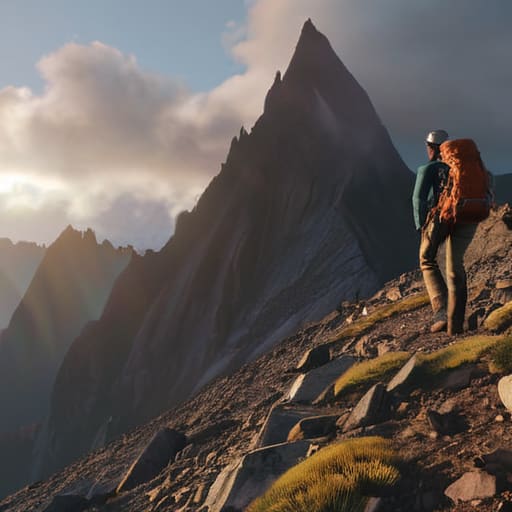
The hardest part of being a leader isn’t navigating a ridge in a whiteout; it’s convincing a group of people that they need to turn around when they’re only fifty yards from the summit. I’ve spent twenty years watching people push through “just one more mile” only to realize they’ve run out of daylight or, worse, daylight has run out on them. One of my most important hiking safety tips for beginners is to treat your turnaround time as a non-negotiable contract with yourself. If your plan says you turn back at 2:00 PM to avoid the dusk chill, you turn back at 2:00 PM. The mountain isn’t going anywhere, but your ability to navigate it safely changes the second the light fails.
You also need to listen to your body and your gear. If your feet are blistering or your layers are soaked through, don’t try to “tough it out.” I once led a group through a heavy mist where the temperature dropped ten degrees in twenty minutes; the people who survived the descent comfortably were the ones who recognized the shift early and stopped to adjust. Knowing when to retreat is not a failure of fitness; it is a fundamental part of hiking fitness preparation. If the wind is picking up or the clouds are bruising, just go home. The hill will be there tomorrow.
The Gear and the Gruntwork: Building a Kit That Actually Works
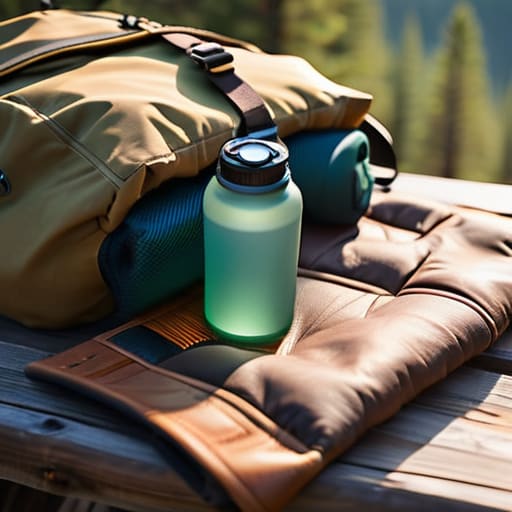
- Stop buying everything in one go. I’ve spent twenty-two years seeing people show up with brand-new, stiff leather boots that have never seen a puddle, only to have them blistered halfway up the first ascent. Start with what you have, but if you’re buying boots, wear them for at least three weeks of varied walks before you trust them on a proper ridge.
- Layers aren’t just about warmth; they are about moisture management. I’ve used my Rab Microlight fleece in steady drizzle and high winds for over four years now, and it’s the difference between staying functional and shivering uncontrollably. Avoid cotton at all costs—once it gets wet from sweat or rain, it stays wet and pulls the heat right out of your core.
- Weight is a silent killer of motivation. I once led a group where someone had packed a “just in case” bag that weighed nearly 15kg; they were exhausted and making poor decisions by hour three. Every gram counts when you’re climbing, so if you haven’t used a piece of kit in your last three training walks, leave it at home.
- Navigation is a skill, not an app. I’ve seen too many people rely solely on their phones, only to find a dead battery or a frozen screen when the mist rolls in. I carry a physical OS map and a compass in my waterproof bag every single time I head out, regardless of how “easy” the trail looks.
- Pack a dedicated “safety kit” that stays tucked away until needed. This isn’t just a first aid kit—though you need one—it’s an emergency bivvy, a headtorch with fresh batteries, and a whistle. I’ve spent many a twilight hour waiting for a group to find their footing, and having that extra bit of kit makes the difference between a long night and a dangerous one.
The Cost of Optimism
Most people think a hike is about the summit, but after twenty-two years on the hills, I know it’s actually about the decision you make two hours before you get there—the one where you look at a darkening sky and decide that being ‘almost’ prepared isn’t actually enough.
Bridget Halloran
The Long View
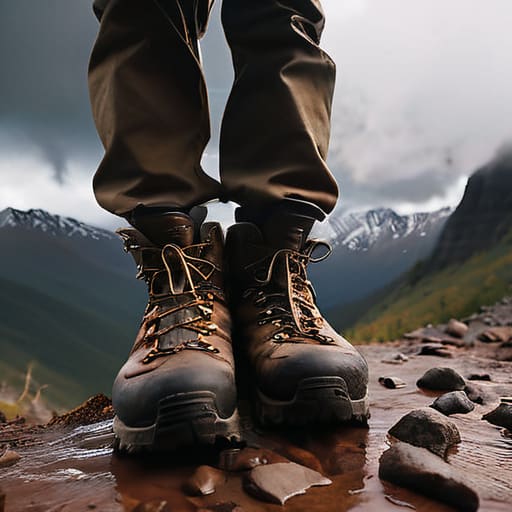
At the end of the day, starting your hiking journey isn’t about checking off a list of expensive gear or conquering a specific peak. It’s about understanding that the mountain doesn’t care about your plans. You need to respect the weather, choose your trails with a bit of humility, and—most importantly—have the discipline to turn around when the clouds roll in or the light starts to fail. If you get the basics right—the layers, the footwear, and the timing—you’ve already won half the battle. Don’t let a single bad afternoon or a soaked pair of boots convince you that you aren’t meant for this; it’s usually just a sign that you need to re-evaluate your decision-making for next time.
There is a specific kind of quiet that you can only find when you’re miles from the nearest road, watching a peregrine falcon catch a thermal or seeing the mist settle into a valley. It’s a reward that’s earned through preparation and patience, not through recklessness. The outdoors is a massive, breathing thing, and while it can be unforgiving, it is also incredibly generous to those who approach it with respect. So, pack your bag, check your forecast one last time, and just get out there. The hills will still be there tomorrow, and they’ll be much more welcoming once you’ve learned how to read them properly.
Frequently Asked Questions
How do I know if a trail is actually "moderate" or if it's going to be a vertical slog that I'm not ready for?
Don’t trust the word “moderate” in a guidebook; it’s the most dangerous word in the outdoors. To me, “moderate” usually means a steady incline without technical scrambling, but it says nothing about the terrain underfoot. I always look for the “elevation gain per kilometer” rather than just the distance. If the map shows a steep contour line density, expect a slog. If you can’t find a profile view of the ascent, don’t go.
What specific weight and type of boots should I actually invest in before I head out on my first real hill walk?
Don’t get lured by the lightweight “trail runners” you see in glossy magazines. For your first real hill walk, you need a mid-to-high cut leather or synthetic boot with a stiff sole. I’ve worn my Scarpa TRK Guides for four years, through everything from boggy valleys to scree slopes in the Cairngorms, and that ankle support is what keeps you upright when the terrain gets messy. Aim for something around 600-800g per boot; anything lighter usually lacks the stability you’ll need when the weather turns.
How do I read a mountain weather forecast to tell the difference between a light drizzle and something that's going to make me freeze?
Don’t just look at the icons; look at the wind chill and the “feels like” temperature. A forecast saying 5°C with light rain is one thing, but 5°C with 40mph gusts and driving sleet is a different beast entirely. I look for the gust speeds and the condensation levels. If the wind is high and the temperature is dropping toward freezing, that drizzle becomes a wet shroud that’ll sap your heat in minutes.