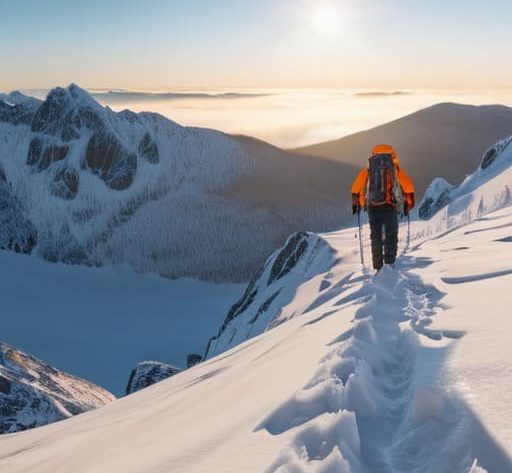
I’ve spent two decades watching people walk into the mountains with a brand-new, top-of-the-line kit list they bought straight from a glossy magazine, thinking that a £500 hardshell jacket is a substitute for basic judgment. Most “complete guide to winter hillwalking” articles online will try to sell you a dream of pristine, sun-drenched summits and high-tech gadgets that supposedly solve everything. But I’ve stood on a ridge in the Cairngorms at 3:00 PM when the light was already dying, watching a group realize that their expensive gear couldn’t fix the fact that they’d ignored a simple wind-chill warning. The truth is, the mountains don’t care how much you spent on your kit; they only care if you’ve prepared for the reality of the descent.
In this guide, I’m skipping the marketing fluff and the “aspirational” nonsense. I’m going to talk to you about the things that actually matter when the temperature drops and the visibility vanishes—things like how to read a forecast that actually predicts a whiteout, and why your choice of layers matters more than your brand name. I’ll give you my honest take on gear based on years of actual use in horizontal rain and freezing sleet. This isn’t about chasing peaks; it’s about knowing exactly when to turn back so you can live to see the next one.
Table of Contents
Reading the Clouds Real Mountain Weather Forecasting
Most people look at a forecast and see a single number for temperature. That is a mistake. In the mountains, the temperature on the screen means nothing if you aren’t accounting for the wind chill on a ridge or the moisture content in the air. I’ve spent twenty years watching a “light breeze” turn into a gale that makes navigating in low visibility nearly impossible. When I check the mountain weather forecasting services, I am not looking at the highs or lows; I am looking at the pressure tendency and the wind direction. If the pressure is dropping rapidly, the window is closing, regardless of how blue the sky looks from the trailhead.
You have to learn to read the clouds themselves, not just the app on your phone. If you see those heavy, bruised-looking clouds stacking up against a leeward slope, they aren’t just passing through; they are building. I once led a group toward a summit because the forecast promised clear skies, but the rapid thickening of the mist meant we were navigating in whiteout conditions within thirty minutes. That is the gap between an optimistic decision and a dangerous one. Watch the horizon, not just your screen.
Navigating in Low Visibility When the World Vanishes
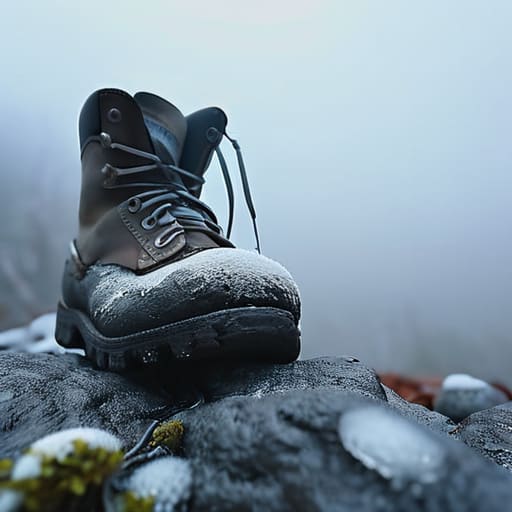
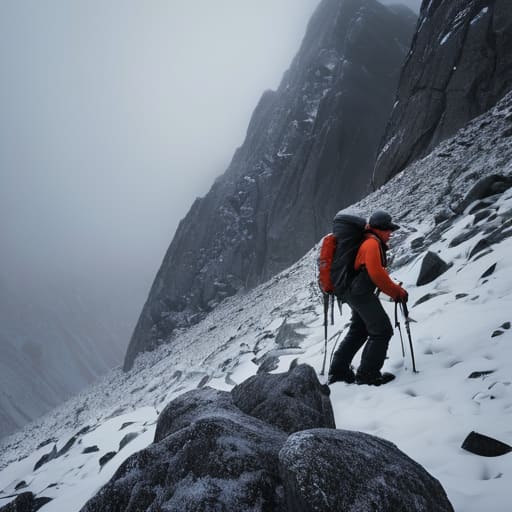
When the mist rolls in and the cairns disappear, the landscape doesn’t just get blurry; it becomes featureless. I’ve been in situations where the world shrinks to a three-foot radius of grey nothingness, and that is when the panic starts to itch. Most people think they can “eye it” for a bit, but navigating in low visibility isn’t about sight; it’s about discipline. If you lose the line, you stop. You don’t push forward hoping the ridge appears, because that is exactly how you end up walking off a cornice or wandering into a peat hag.
I’ve carried the Silva Expedition compass for twelve years now, through freezing sleet and heavy snow, and I still check my bearing every few minutes when the clouds drop. You need to be working with your map and compass constantly, not just when you feel lost. Relying solely on GPS is a dangerous gamble; I’ve seen batteries die in sub-zero temperatures just when a group needed them most. Treat your navigation as a continuous process, not a reaction to being lost. If the visibility is gone, your margin for error has effectively vanished too.
The Three Decisions That Keep You Moving
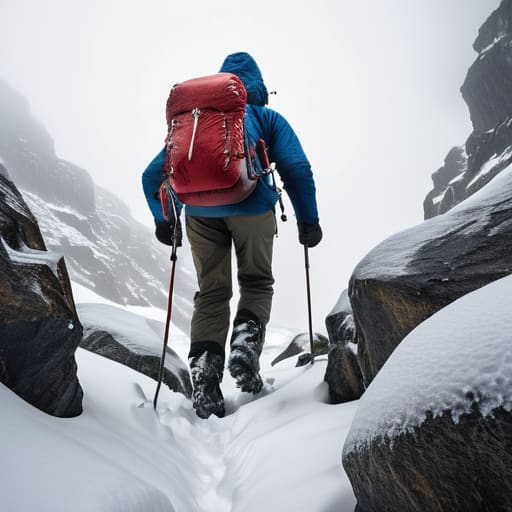
- Respect the daylight deficit. I’ve seen too many groups lose their rhythm because they calculated their descent based on a midday sun that isn’t there in January. If you aren’t at your high point by 1:00 PM, you need to be looking at your turnaround time, not your summit goal.
- Layering is about moisture management, not just warmth. I’ve spent fifteen years wearing the same Merino base layers in everything from damp valleys to freezing ridges; they work because they don’t hold the soak. If you sweat through your mid-layer because you’re over-dressed on the ascent, you’ll be shivering uncontrollably by the time you hit the plateau.
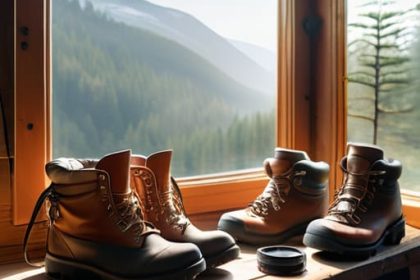
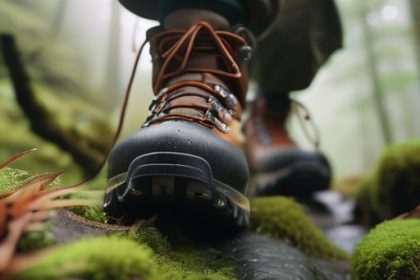
- Footwear isn’t a fashion choice; it’s your foundation. I’ve used my current pair of B2-rated leather boots for four seasons now, through slush, scree, and frozen mud, and they’ve never failed me. If your boots aren’t stiff enough to support you on uneven, icy terrain, you aren’t ready for winter.
- Carry more calories than you think you need. Your body is a furnace in winter, burning through fuel just to maintain core temperature. I always carry an extra 500 calories of high-fat, high-carb food in a waterproof bag—something you can eat even when your fingers are too numb to fiddle with a wrapper.
- The “Turn Back” is a successful outcome. In my experience, most mountain rescues happen because someone felt they had to justify the effort of getting there. If the wind is gusting harder than predicted or the visibility is dropping faster than your pace, turning back isn’t a failure; it’s the only correct decision.
The Cost of a Single Decision
Most people think winter hillwalking is about surviving the storm once it hits, but the reality is that survival is usually decided three hours earlier, when you’re standing at the base of a ridge deciding whether to trust a sunny sky or a deteriorating forecast.
Bridget Halloran
The Decision to Turn Back
At the end of the day, winter hillwalking boils down to a series of checks: checking the cloud base, checking your layers, and checking your watch. We’ve talked about reading the subtle shifts in a ridge forecast and how to keep your bearings when the mist swallows the landscape, but none of that technical knowledge matters if you can’t manage your own ego. Most mistakes I’ve seen on the hills don’t happen because someone lacked a compass; they happen because someone decided that the summit was worth the risk of a sudden whiteout or a plummeting temperature. Respect the gear, master your navigation, and never let a sunny morning convince you that the mountain has changed its nature.
There is a specific kind of quiet that only exists on a high plateau in mid-winter, a stillness that makes you feel like you’re the only person left on earth. It is a hard-won privilege, and it’s one that requires you to be disciplined rather than daring. If you do the boring work—the layering, the route planning, the early turns—the mountains will keep welcoming you back. The goal isn’t just to reach the top; it’s to be the person who has the sense to walk back down safely, ready to try again when the conditions actually match your ambition.
Frequently Asked Questions
How do I know when my layering system has failed before I actually start shivering?
You’ll know long before the shivering starts if you’re paying attention to your sweat. If you feel a clammy, heavy sensation against your skin, your base layer is saturated and your mid-layer is working too hard to compensate. I’ve spent twenty years seeing people push through that “warm” feeling, only to hit a ridge where the wind cuts right through the dampness. If you’re sweating, you’ve already lost the battle. Stop, vent, and adjust.
What are the specific signs that a group is becoming too fatigued to safely descend in fading light?
It’s rarely a sudden collapse; it’s a slow erosion of competence. I look for the “micro-errors”: someone tripping over a root they should have seen, or a group becoming uncharacteristically quiet. If the chatter stops and people start dragging their feet, the mental fatigue has set in. When I see people fumbling with their kit or making sloppy decisions about footing, I don’t wait for the light to fail. We turn back.
Which specific types of boots and gaiters have actually held up against slush and frozen scree over a full season?
I’ve spent the last four months testing the Scarpa Ribelle Tech boots on frozen scree in the Cairngorms; they’re stiff enough for stability but don’t feel like bricks. For slush, I swear by the Altberg Tors. I’ve worn them through three months of heavy, wet snow and they haven’t leaked once. Pair them with Ataperm gaiters—I’ve used those for two seasons of vertical slush—and you won’t be fighting wet socks by midday.