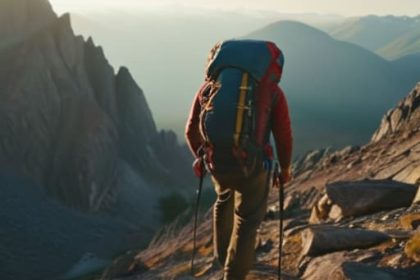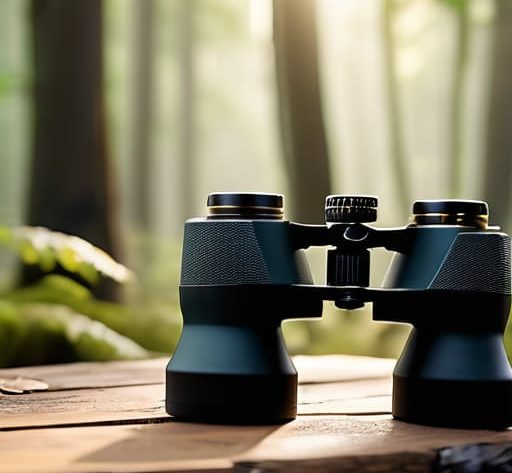
I’ve sat on too many ridges watching people spend two thousand pounds on a pair of glass that looks beautiful in a showroom, only to watch them struggle when the mist rolls in and the temperature drops. Most marketing tells you that more magnification equals a better view, but they never mention that a heavy, high-powered pair becomes a useless weight around your neck when you’re trying to navigate a scramble in a gale. If you’re looking for a flashy, sales-driven “complete guide to binoculars and optics,” you won’t find it here; I’m more interested in whether the lens fogs up when you’re breathing hard on a steep ascent or if the strap snaps after three seasons of heavy use.
My goal isn’t to sell you on the latest spec sheet, but to help you find gear that actually works in the real world. I’m going to break down what matters—weight, light transmission in low visibility, and durability—based on what I’ve actually carried through horizontal rain and freezing fog. This is a practical look at what you truly need to see the bird in the canopy or the weather moving in on the horizon, without the unnecessary hype.
Table of Contents
Why Optical Glass Quality Matters When the Mist Rolls in
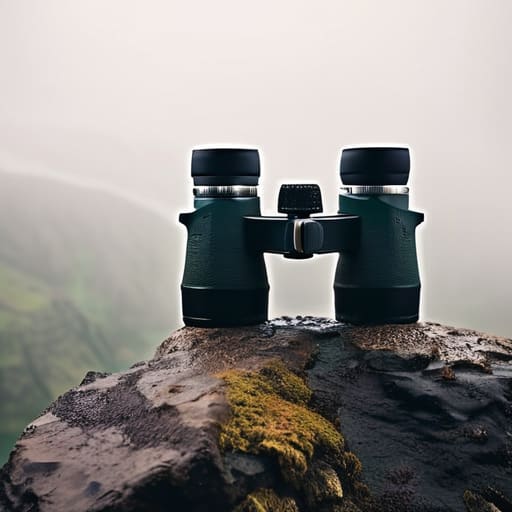
When you’re standing on a ridge in the Lake District and the visibility drops from a mile to fifty yards in ten minutes, you realize that cheap glass is a liability. It isn’t just about seeing far; it’s about seeing through the grey. High-end optical glass quality makes the difference between spotting a buzzard perched on a crag and staring at a shapeless smudge of light. In low-light conditions, the light coming through the lens is minimal, and if your glass is subpar, that light is lost to internal reflections rather than being delivered to your eye.
I’ve spent several seasons testing various models in the damp, heavy air of the Highlands, and I can tell you that lens coatings and clarity are what keep you from squinting until your head aches. Without proper multi-coatings, the moisture and the dim light create a glare that makes everything look muddy. If you are struggling to distinguish a nesting peregrine from a piece of granite because the image lacks contrast, you aren’t just missing a bird; you’re losing the ability to read the landscape accurately when the weather turns.
Understanding Prism Types Binoculars Use to Hold the Image
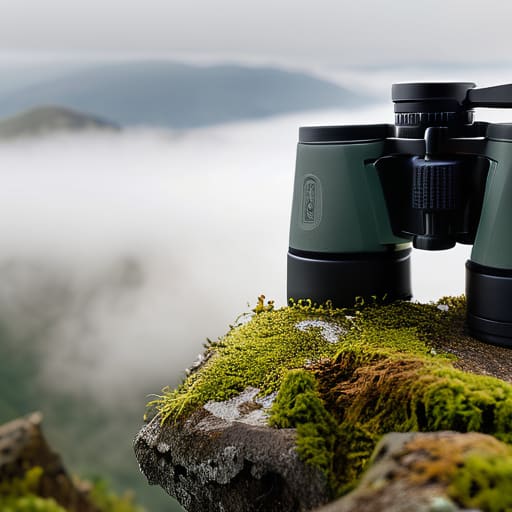
When you’re staring at a peregrine falcon on a crag through a heavy mist, you don’t care about the physics in a textbook; you just want the image to stay upright and steady. Most of what you’ll find in shops falls into two camps: Porro and Roof prisms. I’ve spent fifteen years using Porro prisms—the older, offset style—and while they are bulkier in a pack, they often provide a better sense of depth. However, if you’re looking to save weight for a long ridge walk, Roof prisms are the standard. They are streamlined and straight, but they require much higher optical glass quality to ensure you aren’t losing light or sharpness in the process.
I’ve carried several pairs of Roof-prism binoculars through three seasons of damp Scottish Highlands weather, and I’ve learned that the trade-off for that compact shape is often a narrower field of view explained by the internal geometry. If you are someone who wears spectacles, you need to look beyond the prism type and check the eye relief for glasses wearers. If the eye relief is too shallow, you’ll find yourself fighting the binoculars just to see the whole image, which is a frustration you don’t need when the light is fading.
Five Things the Sales Brochure Won't Tell You
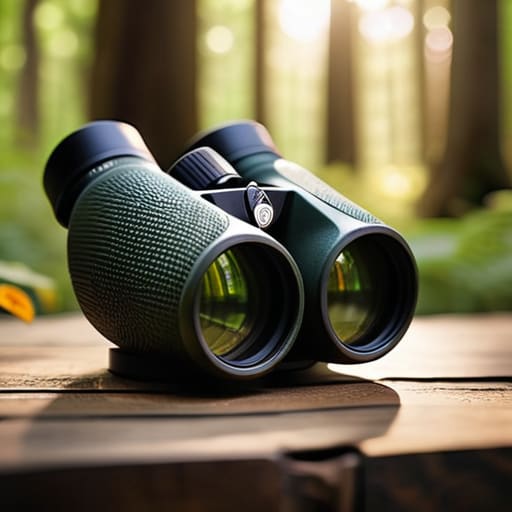
- Check the fog-proofing for yourself. I’ve carried my current pair through four seasons of Scottish mist and three heavy downpours, and if the internal lenses cloud up even slightly, they’re useless. Nitrogen or argon purging isn’t a luxury; it’s what stops you from staring at a white wall when the temperature drops.
- Weight is a slow killer. You might think a heavy pair of 10x42s feels fine for the first twenty minutes of a walk, but I’ve seen that optimism turn into a sore neck by the time you reach the ridge. If you’re doing multi-day routes, every gram counts towards how much energy you have left for the actual walking.
- Don’t get seduced by high magnification if you’re a shaky hand. A 12x magnification looks great on a spec sheet, but unless you have a tripod or the steadiness of a statue, you’ll just be watching a blurry, vibrating version of a bird. For most of my work, 8x is the sweet spot for a clear, stable view.
- Eye relief is non-negotiable if you wear glasses. I spent two years using a pair that felt “premium” only to realize I couldn’t actually see anything through them without taking my spectacles off. If you wear glasses, check the eye cup adjustment; if it doesn’t accommodate you, leave them on the shelf.
- Learn to read the light, not just the lens. You can have the most expensive glass in the world, but if you’re trying to spot a peregrine in the gloaming or under heavy cloud cover, you need a wider objective lens to gather enough light. I always look for a balance between lens diameter and the actual weight of the unit.
## The Cost of a Bad View
“I’ve sat on too many ridge lines watching a peregrine vanish into a grey soup because my glass couldn’t cut through the haze, and I’ve seen too many people drop expensive kit because it was too heavy to hold steady when the wind started howling; you don’t buy optics for the sunny days, you buy them for the moment the light fails and you need to know exactly what’s moving in the treeline.”
Bridget Halloran
Choosing Your Eyes for the Long Haul
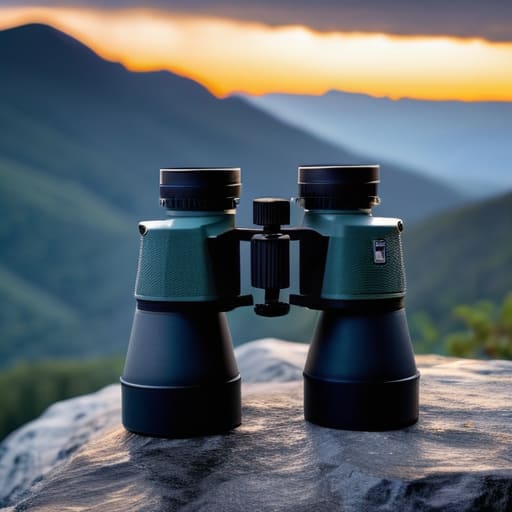
At the end of the day, choosing optics isn’t about chasing the highest magnification numbers on a spec sheet or buying the most expensive brand just because it has a shiny logo. It’s about the intersection of light transmission, prism stability, and how much weight you can actually carry when you’re five hours into a ridge walk and the wind is picking up. You need to balance the clarity of the glass with the physical reality of your kit; a heavy, high-end pair is useless if it stays in your pack because your shoulders are too sore to lift it. Remember that true performance is measured by how the image holds up when the light fails and the conditions turn, not just when you’re sitting in a sunny garden.
I’ve spent two decades watching the landscape change through various lenses, and if there is one thing I have learned, it is that the right piece of gear should feel like an extension of your own senses. When you finally find that pair that balances weight, durability, and clarity, the world opens up in a way that makes the wet boots and the steep ascents worth it. Don’t just buy for the view you want; buy for the conditions you will actually face. The mountains aren’t going anywhere, and they deserve to be seen clearly, even when the weather decides otherwise.
Frequently Asked Questions
How much weight am I actually going to feel in my pack after four hours of climbing if I opt for the high-end glass?
I’ve carried both. After four hours of vertical gain in a damp glen, that extra 300g of high-end glass stops being a number on a spec sheet and starts feeling like a stone in your pack. If you’re moving fast, you’ll feel it in your shoulders. But I’ve spent three seasons using the heavier, premium pairs in heavy rain and low light; the clarity meant I didn’t have to stop and fumble with focus, which saved more energy than the weight cost me.
Is it worth paying for waterproof sealing, or will a bit of mountain mist ruin a cheaper pair regardless?
I’ve spent ten years pulling damp binoculars out of my pack after a day of horizontal rain, and I can tell you: the “water-resistant” label is a trap. If they aren’t truly nitrogen-purged and sealed, that mountain mist will find its way inside, fogging the internal lenses where you can’t wipe it away. I’ve used the Osprey 8x42s through three seasons of Lakeland gales; they’ve stayed crystal clear while my cheaper pair turned into useless, milky-looking bricks.
How do I know if the magnification is actually helpful or if it's just going to make everything shake too much when the wind picks up on a ridge?
If you’re standing on a ridge with a twenty-knot wind buffeting you, 10x magnification is going to feel like you’re trying to steady a camera on a jelly mould. I’ve spent countless hours trying to spot a peregrine in gusty conditions, and I’ve learned that anything above 8x becomes a struggle when your hands aren’t perfectly still. For most of my long days, I stick to 8x; it’s more forgiving, offers a wider field of view, and doesn’t turn every breeze into a blurry mess.