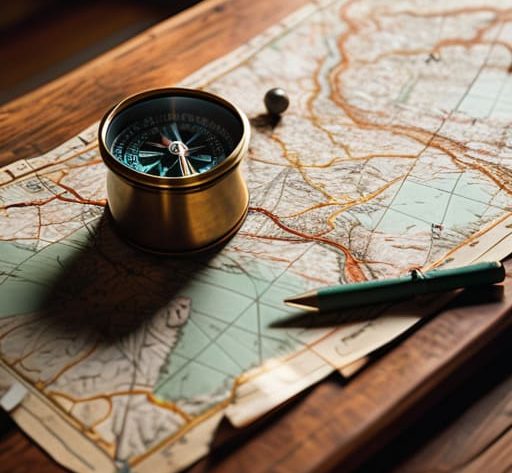
I remember standing on a ridge in the Cairngorms, watching a group of hikers stare blankly at a map while the sky turned the color of a bruised plum. They had the most expensive, ultralight titanium everything, but they had no idea how to plan a long distance trail that accounted for the reality of a changing weather window. They were focused on the weight of their packs rather than the weight of their decisions, and by the time the sleet started, they were looking at me with that specific, hollow look of people who realized they were in over their heads.
I’m not here to sell you on a lifestyle brand or a list of “must-have” gadgets that will just end up sitting in your cupboard. My goal is to show you how to plan a long distance trail by focusing on the unsexy, vital details—the stuff like daylight math, water security, and knowing exactly when to turn back. I’ll give you the honest truth about gear based on years of actual use in horizontal rain, and I’ll focus on the logistics that keep you moving safely rather than just moving fast.
Table of Contents
Managing Hiking Mileage and the Daylight Deficit
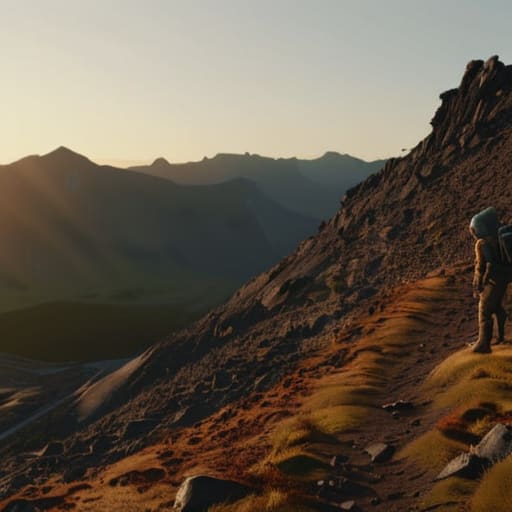
When you’re looking at a map, a line on a page doesn’t account for the reality of a 1,500-meter ascent or a bog that turns a mile into three. Most people fail at managing hiking mileage because they plan for the best-case scenario—flat, dry, and sunny. I’ve seen too many hikers caught in a headlamp-only descent because they overestimated their pace by just two miles an hour. You need to calculate your daily distance based on the terrain and the actual time of sunset, not the time listed in a guidebook.
If you find yourself falling behind, the answer isn’t to push through the exhaustion; it’s to adjust your next day’s target. I always suggest building in a “buffer day” every week. This allows you to absorb the impact of a heavy storm or a slow day without compromising your entire itinerary. It’s better to arrive at your next resupply point feeling tired but steady than to arrive at a trailhead at midnight, shivering and making mistakes with your wilderness navigation skills.
Navigating Wilderness Skills and Permit Requirements
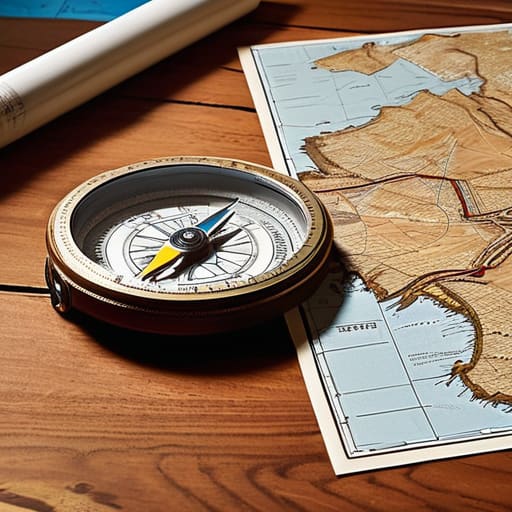
Paperwork and maps aren’t the glamorous parts of a journey, but they are the parts that keep you from being a statistic. Before you even touch your pack, you need to sit down with the backpacking permit requirements for your specific route. I’ve seen too many people show up at a trailhead only to find the section they wanted is fully booked or, worse, closed for seasonal nesting. If you’re heading into protected areas, respect the boundaries; I spent nine years as a ranger, and I can tell you that a permit isn’t a suggestion, it’s a management tool.
Once you’re actually out there, your survival depends on your wilderness navigation skills. Relying solely on a smartphone is a recipe for disaster when the battery dies in the cold or the clouds drop to zero visibility. I always carry a physical map and a compass, and I’ve spent more hours than I can count practicing orienting them in the wind. Knowing how to read a contour line is the difference between a steady climb and an accidental scramble down a scree slope.
The Details That Actually Matter When You’re Fifty Miles In
- Stop planning for the average temperature. I’ve spent two decades watching people freeze because they checked a forecast for 10°C and ignored the fact that a 30mph wind on a ridge makes that feel like zero. When you’re calculating your layers, plan for the wind chill and the damp, not the number on the screen.
- Weight isn’t just a number on a spec sheet; it’s how your knees feel on day four. I’ve carried a 14kg pack through three days of peat hags in the Highlands, and I can tell you that every extra gram feels like a kilogram once the rain starts soaking into your gear. If you can’t justify the weight by its specific utility in wet, cold conditions, leave it at home.
- Respect the “Turn Back” threshold. Most accidents I’ve seen didn’t happen because of a sudden storm, but because someone made an optimistic decision at 3:00 PM to push for one more ridge despite fading light. Set a hard time for your turnaround, and stick to it. The mountain isn’t going anywhere, but your daylight certainly is.
- Test your kit in the worst possible conditions before you rely on it. I won’t recommend a piece of gear unless I’ve used it for at least twenty days in real-world weather. If you haven’t spent a night in that tent during a proper downpour, you don’t actually know if it works; you only know if the manufacturer says it does.
- Map your water sources with a margin for error. Don’t just assume every stream listed on a guidebook is flowing, especially if you’re planning a route through a drier season or a high-altitude plateau. I always carry an extra liter of capacity more than I think I’ll need, because running dry in a remote area turns a hike into a crisis very quickly.
The Cost of Optimism
Most people plan their miles based on how they feel at breakfast, but a trail doesn’t care about your morning motivation; it only cares about the gap between your daylight and your decision-making, which shrinks every time you ignore a darkening sky or a heavy wind to push just one more mile.
Bridget Halloran
The Margin Between Success and Survival

At the end of the day, planning a long-distance trail isn’t about finding the most scenic route or the fastest pace; it’s about managing the math of your own limitations. You have to account for the mileage versus the daylight, the complexity of the permits, and the reality of your wilderness skills. If you ignore the deficit between your planned pace and the actual time it takes to navigate a ridge in a sudden downpour, you are making an optimistic decision that the mountains don’t care about. Respect the logistics, double-check your weight, and always leave enough of a buffer so that a single mistake doesn’t turn a trek into a rescue mission.
Once the logistics are settled and the kit is packed, the heavy lifting is done. There is a specific kind of quiet that comes when you finally step onto the trail, knowing you aren’t just hoping for the best, but that you’ve actually prepared for it. The mountains will give you incredible moments—the sight of a peregrine on the wing or the stillness of a high plateau—but those moments are only possible when you’ve respected the unforgiving gap between comfort and danger. Plan well, stay observant, and trust your training when the weather turns. That is how you make sure you’re around to walk the next one.
Frequently Asked Questions
How do I actually judge if a weather forecast is reliable enough to commit to a high-altitude ridge or a remote valley?
Don’t trust a single number on a screen. I look for consensus across three different models; if they disagree on wind speed or cloud ceiling, I assume the worst. On a ridge, a “light breeze” forecast is a lie if the pressure is dropping rapidly. I check the dew point and the barometric trend—if the pressure is tumbling, that ridge is going to turn nasty, regardless of what the app says.
What is the realistic weight limit for a multi-day pack if I want to avoid the kind of fatigue that leads to poor decision-making?
I’ve carried everything from 12kg to 22kg over the last two decades, and the math is simple: once your base pack weight exceeds 15% of your body mass, your decision-making suffers. I’ve seen people stumble into mistakes on day three because their shoulders were screaming. Aim for a total load under 12-14kg if you can. I’ve used my current 55L Osprey for four seasons in heavy rain; it’s balanced, but weight is still weight.
How do I balance the need for a strict itinerary with the necessity of turning back when the conditions don't match the plan?
You have to treat your itinerary as a living document, not a contract. I’ve seen too many people treat a planned waypoint like a sacred vow, even when the wind is howling at forty knots and the visibility has dropped to five meters. If the conditions deviate from your plan, the plan is already broken. Stop fighting the mountain to meet a schedule; the mountain isn’t going anywhere, but your ability to stay safe certainly is.