
I remember a Tuesday in late October, somewhere on the edge of the Cairngorms, when the wind didn’t just blow; it bit. I was leading a group that had spent the afternoon being “optimistic” about a ridge traverse, only to find themselves soaked through and shivering before the sun had even dipped. Most people think they’ll know when things go wrong, but by the time someone is actually shaking uncontrollably, they’ve already missed the window. Learning how to spot and treat hypothermia isn’t about memorizing a medical textbook; it’s about recognizing that subtle, dangerous shift where a person stops being “a bit chilly” and starts becoming unreliable.
I’m not here to give you a list of expensive emergency bivvy bags or high-tech thermal blankets that only work if you follow a manual. I’m going to tell you what actually works when your hands are numb and the light is failing. I’ll walk you through the real-world signs—the ones that happen in the quiet moments before the crisis hits—and the practical, no-nonsense steps you need to take to get someone warm again. No hype, just the stuff that keeps you moving when the weather decides to turn.
Table of Contents
Reading the Body Temperature Drop Signs Before They Matter
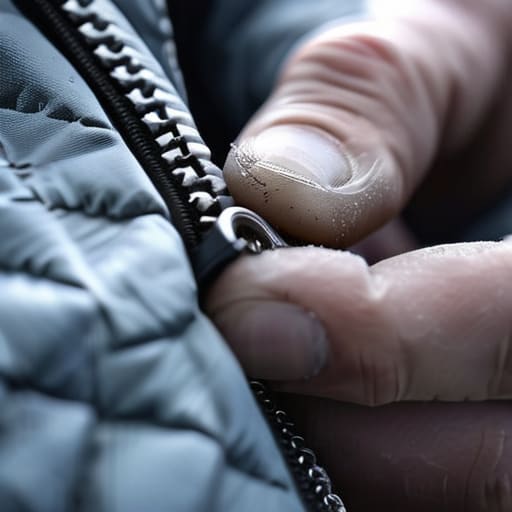
The first thing you’ll notice isn’t a sudden shiver; it’s the subtle loss of fine motor skills. I’ve seen it dozens of times on the high ridges—a hiker trying to zip up their waterproofs and fumbling with the slider, or struggling to pull a map from a side pocket. That’s your first real indicator of a body temperature drop. When the brain starts diverting heat to the core, the extremities are the first to pay the price. If you notice someone becoming uncharacteristically quiet or “fidgety” in a way that looks more like clumsiness than restlessness, don’t ignore it.
The transition from mild to more serious stages happens faster than most people realize. In the early stages, you’ll see the shivering—that’s your body’s desperate attempt to generate heat. But if the shivering stops and the person seems strangely lethargic or starts acting “drunk,” you have moved into much more dangerous territory. This is where the distinction between mild vs severe hypothermia symptoms becomes a matter of life and death. At that point, you aren’t just managing discomfort anymore; you are managing a medical emergency that requires immediate shelter and insulation.
Mild vs Severe Hypothermia Symptoms When Optimism Isnt Enough
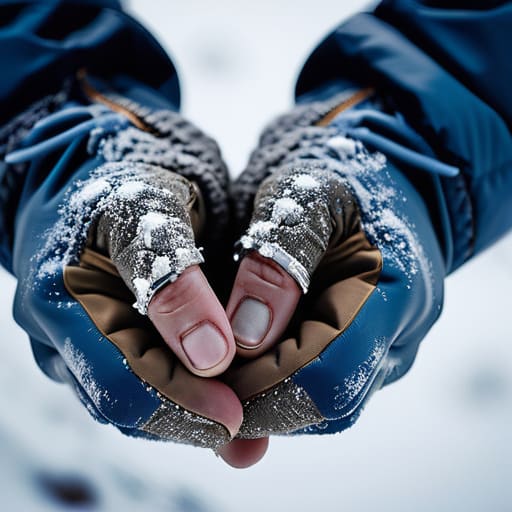
The danger is that the transition from “uncomfortable” to “critical” happens in a blink. In the mild stage, you’ll see the shivering—it’s violent, rhythmic, and your body’s last-ditch effort to generate heat. People often think this is a sign they are “handling it,” but it’s actually the first warning shot. You’ll notice the clumsy movements, the fumbling with a zip, or that strange, irritable mood where a simple question feels like an interrogation. This is where you still have the agency to fix things, provided you stop moving and get into dry layers immediately.
Once you cross into severe territory, the shivering often stops entirely. This is the most deceptive part; because the body has exhausted its fuel, it simply gives up on the heat production. This is when you see the loss of consciousness or that profound, eerie stillness. At this point, you aren’t just looking at standard emergency first aid for cold exposure; you are managing a life-threatening crisis. You cannot simply “walk it off” or wait for a hot tea to work. When the shivering ceases and the person becomes unresponsive, the window for effective rewarming techniques for hypothermia has narrowed to almost nothing.
Five Ways to Stop a Descent into the Cold
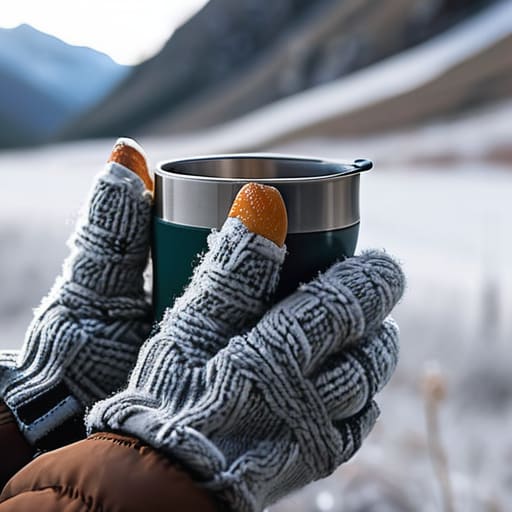
- Stop the wind from stealing what little heat you have left. If you see someone shivering uncontrollably, do not let them keep walking to “warm up.” Find a lee, get them off the wet ground using a mat or even your rucksack, and get a shelter up. I’ve seen too many people try to power through a ridge in a gale only to realize they’ve lost the ability to move their legs properly.
- Layering is about moisture management, not just bulk. If a client or partner is getting cold, the first thing I do is check if their base layer is soaked. I’ve spent three days on a single trek in the Cairngorms with a heavy wool blend that stays warm even when damp, but if you’re wearing a thin synthetic that’s saturated with sweat, you’re just wearing a cold sponge. Get them into dry clothes immediately.
- Feed the furnace. If they are still conscious and can swallow safely, get sugar and calories into them. A warm, sweet drink is better than nothing, but I prefer something dense. I always carry a handful of high-calorie nut bars in my hip belt pocket for exactly this reason—they are easy to pass out in a crisis and provide the fuel the body needs to actually generate heat.
- Watch the “Umbles.” This is my shorthand for stumbling, mumbling, fumbling, and grumbling. When someone starts acting slightly irrational or loses their fine motor skills—like struggling to zip up a jacket or tripping over flat ground—the decision to turn back has already been made. You aren’t “almost there”; you are currently sliding toward a medical emergency.
- Avoid the “Hot Bath” mistake. It sounds logical, but if you are treating someone with moderate to severe hypothermia, do not try to force them into extreme heat or rub their limbs vigorously. It can cause a sudden drop in blood pressure or send cold blood from the extremities straight to the heart. Focus on steady, passive warming—insulation, shelter, and calorie intake—rather than a sudden shock to the system.
The Cost of an Optimistic Decision
“Hypothermia doesn’t usually arrive like a sudden storm; it creeps in through a damp layer you thought was fine or a descent that took twenty minutes longer than you planned. By the time someone starts shivering uncontrollably, they’ve already lost the battle with their own core temperature, and by the time they stop shivering entirely, you aren’t just managing a cold hiker anymore—you’re managing a life-threatening emergency.”
Bridget Halloran
The Margin for Error
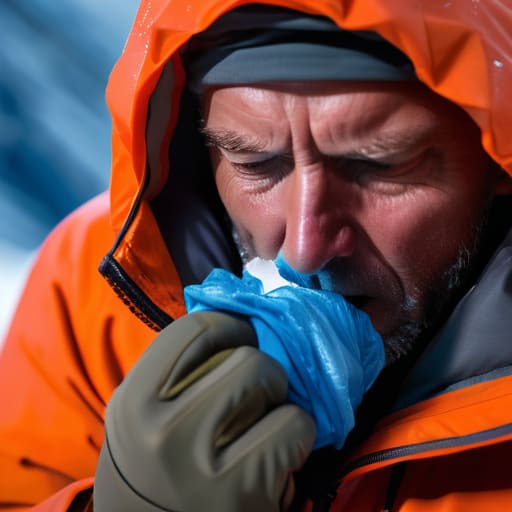
At the end of the day, managing hypothermia isn’t about complex medical training; it’s about recognizing that the body is a finite resource. You have to watch for the subtle shifts—the fumbling with a zip, the sudden irritability, or that strange, hollow stare—before the shivering stops entirely. Once the shivering stops, you aren’t just dealing with a chill anymore; you are dealing with a crisis. Remember that treatment is about stopping the heat loss immediately: get them out of the wind, strip the wet layers, and get them into something dry and insulated. Don’t wait for the person to tell you they are cold, because by the time they have the cognitive clarity to complain, they might already be past the point of making good decisions.
I’ve spent two decades watching the weather turn on a dime, and I can tell you that the mountains don’t care about your itinerary or how much you paid for your gear. The difference between a memorable day and a rescue operation usually comes down to one single, sober decision to turn back while you still have the daylight and the dexterity to do so. Respect the cold, watch your companions as closely as you watch the clouds, and never let your own optimism override the reality of the thermometer. The hills will still be here tomorrow, but you need to make sure you are too.
Frequently Asked Questions
If someone is shivering uncontrollably, does that mean they are in the danger zone, or is that actually a good sign that their body is still fighting?
It’s a bit of both, and that’s exactly where the danger lies. Uncontrollable shivering means their body is still working overtime to generate heat, which is technically a good sign—it means they haven’t hit the severe stage yet. But don’t mistake that effort for safety. It’s a loud, physical warning that their reserves are draining fast. Once that shivering stops and they go quiet or clumsy, you aren’t just in the danger zone; you’re already in it.
I’ve heard conflicting things about giving someone a warm drink—should I be reaching for the flask or is there a risk of doing more harm than good?
If they are fully conscious and can swallow without choking, a warm, sweet drink is a godsend. It provides the fuel their body needs to actually generate its own heat. But if they’re stumbling, slurring, or drifting off, leave the flask closed. Forcing liquids on someone whose swallow reflex is failing is a fast way to end up dealing with an airway obstruction. Warmth from the inside only works if the engine is still running.
If we're stuck in a sudden storm and can't get off the ridge, what's the absolute bare minimum we need to do to stop a person from sliding into severe hypothermia?
If you’re pinned on a ridge, stop trying to “push through” to the summit. You need to break the wind immediately. Get them off the bare ground—sit on your rucksacks, not the rock—and get every dry layer they own on them. If they can still swallow, give them warm, sugary liquids. If they stop shivering and start acting confused, stop talking and start focusing entirely on insulation and shelter. You aren’t moving until the wind drops.