I remember a group I led back in 2014, somewhere on the edge of the Cairngorms, when the mist rolled in thick and the temperature plummeted ten degrees in twenty minutes. One hiker, a perfectly capable person, was struggling so much with his heavy, overstuffed pack that he couldn’t maintain a steady pace, and that lack of rhythm meant he was too exhausted to layer up properly when the real cold hit. People think learning how to reduce pack weight is about buying a new, ultralight titanium stove or some fancy carbon-fibre trekking poles that cost more than my first car. It isn’t. It’s about the discipline of deciding what you actually need versus what you’re just too optimistic to leave behind.
I’m not here to sell you on the latest gear hype or tell you that a lighter pack will magically turn you into an elite athlete. I’m going to show you how to strip your kit down using the same logic I use when I’m prepping for a three-day trek in the rain. I’ll talk about the specific items I’ve carried for over a decade, the weight they add, and the exact moments when cutting the fluff becomes a matter of safety rather than just comfort.
Table of Contents
Refining Your Ultralight Backpacking Gear List Without Losing Safety
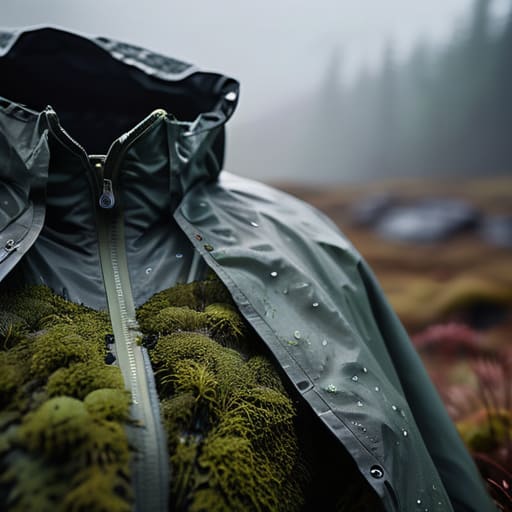
When people talk about an ultralight backpacking gear list, they often focus on the big ticket items—the tent, the sleeping bag, the stove. But the real danger in chasing a low number on the scale is when you start cutting things that actually serve a purpose when the situation turns sour. I’ve seen too many people swap a reliable, heavy-duty shell for something that weighs nothing but turns into a damp rag the moment they hit a sustained gale. If you’re looking at essential hiking gear optimization, don’t just look for the lightest version of a thing; look for the version that won’t fail you when you’re shivering at 3:00 AM in a peat bog.
The trick is finding multi-use camping equipment that actually works. I’ve used my titanium pot for three seasons now, both for boiling water and as a makeshift bowl; it’s 60 grams and it hasn’t dented once. On the flip side, don’t go overboard with minimizing sleep system weight by ditching your emergency layers. A lighter quilt is fine, but if it can’t handle a sudden drop in temperature, you haven’t saved weight—you’ve just traded grams for a potential hypothermia case.
Minimizing Sleep System Weight for the Unexpected Chill
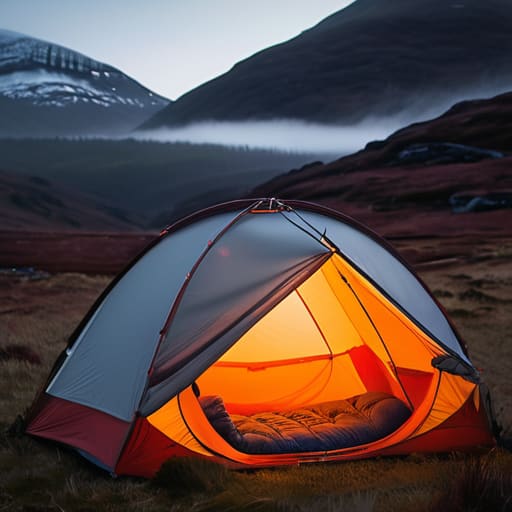
When it comes to minimizing sleep system weight, the temptation is to strip everything down to a thin quilt and a single layer. I’ve seen that optimism fail spectacularly on a damp Tuesday in the Cairngorms when the temperature drops ten degrees lower than the forecast suggested. I’ve used my current down sleeping bag for four seasons now, through three heavy rainstorms and several frost-heavy nights, and while it’s light, it isn’t a magic wand. You cannot trade thermal efficiency for a few grams without a plan for what happens when the ground gets cold.
The real trick isn’t just buying lighter stuff; it’s about essential hiking gear optimization through layering. Instead of hauling a massive, heavy bag, I carry a lightweight down jacket that serves as my insulation while moving and my extra warmth once I’m in the bag. I’ve tested this system over sixty nights of wild camping, and the weight saved on the bag more than compensates for the extra layer. If you are looking at a backpacking gear replacement guide, don’t just look at the weight of the sleeping bag—look at how many pieces of gear can serve a dual purpose when the wind starts biting.
Five ways to shed the dead weight before you hit the trail
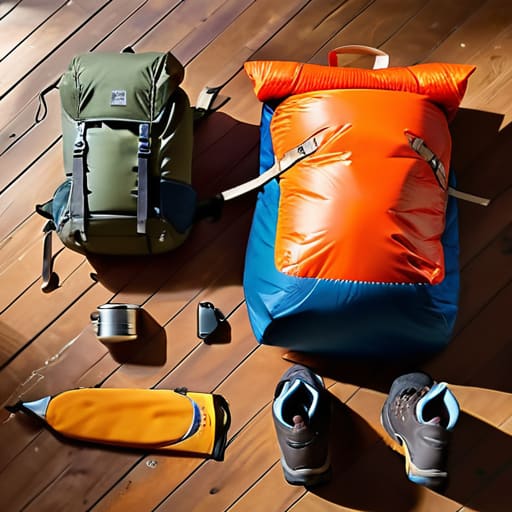
- Audit your food weight by looking at calorie density, not just volume. I’ve spent many a night in a bivvy bag realizing I’d packed three heavy tins of beans when a handful of nut butter and some dried oats would have done the job with half the mass. If it’s heavy and doesn’t provide significant fuel, leave it in the cupboard.
- Stop packing “just in case” layers that you haven’t actually worn in the last three trips. I carry one heavy-duty waterproof shell that I’ve used in gale-force rain on the Cairngorms for five seasons straight, and I don’t carry a second, lighter one “just for drizzle.” If the weather turns, you use the shell you have; you don’t carry a backup for a hypothetical storm.
- Consolidate your water filtration and storage. I stopped carrying those bulky, dedicated hard-shell bottles years ago. I now use two lightweight, collapsible bladders that I’ve used for roughly four years of summer trekking; they take up zero space when empty and weigh next to nothing compared to the plastic bottles most people default to.
- Trim the “kitchen” clutter. You don’t need a full set of cutlery or a massive cooking pot if you’re solo or in a small group. I use a single titanium spork—I’ve used this specific one through every winter ML course I’ve led—and one small pot. Anything more is just more metal to balance on your spine.
- Re-evaluate your first aid kit by focusing on utility over volume. Most people pack a box of twenty different plasters and three types of antiseptic. I carry a small, curated kit of high-quality dressings and specific blister treatments that I’ve tested in the field. If you haven’t used a specific item in your kit during a real-world incident, it’s likely just extra weight you don’t need.
The Cost of Optimism
I’ve spent twenty years watching people try to outrun their own gear choices; they start the day feeling light and capable, but by the time the cloud base drops and the wind hits forty knots, that ‘just in case’ extra pound of equipment starts feeling like a lead weight pulling you toward a very bad decision.
Bridget Halloran
The Final Calculation
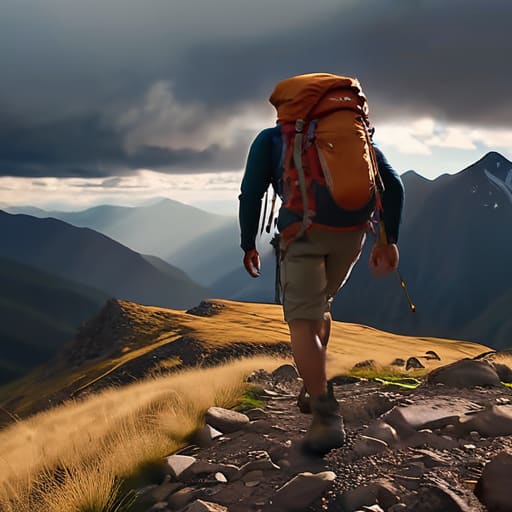
At the end of the day, reducing your pack weight isn’t about chasing some arbitrary number on a digital scale or trying to mimic an ultralight racer who only walks on groomed trails. It’s about the math of your own survival. You’ve looked at your sleep system, you’ve audited your layers, and you’ve stripped away the “just in case” items that actually serve no purpose when the clouds roll in. Remember that every gram you cut from your kit is a bit of energy you save for that final, steep ascent or for managing your temperature when the wind starts biting. The goal is to find that narrow, disciplined middle ground where you are light enough to move efficiently but still carry the essential kit required to stay safe when the forecast inevitably fails you.
I’ve spent two decades watching people struggle against their own gear, and the most successful hikers I know aren’t the ones with the most expensive equipment, but the ones with the most intentional packs. They understand that the mountains don’t care about your gear list, but they certainly react to your decisions. When you step out of the trailhead, do it with a pack that feels like an extension of your body rather than a burden you’re fighting. If you do the work now—the boring, tedious work of weighing, testing, and trimming—you leave yourself more room to actually notice the things that matter, like the silhouette of a peregrine against a grey sky or the way the light shifts on a ridge.
Frequently Asked Questions
If I cut down on my heavy emergency gear to save weight, how do I know I'm not actually making myself less safe when the weather turns?
You don’t cut the emergency gear; you refine it. I’ve seen people ditch a heavy bivvy to save 400g, only to end up shivering in a ditch when a mist rolls in at 4:00 PM. Instead of carrying a massive, multi-purpose kit you’ll never use, swap heavy cotton for high-quality, compressible synthetics. I’ve used my SOL Emergency Bivvy in horizontal sleet for three seasons now; it weighs next to nothing and has saved me from hypothermia more than once. Don’t trade safety for a lighter pack; trade bulk for better engineering.
At what point does "going light" become a liability when I'm navigating technical terrain or carrying enough food for a multi-day trip?
It becomes a liability the moment you start sacrificing stability for grams. I’ve seen it happen: someone trims their pack so much they lose their center of gravity, then trips on a loose scree slope because they couldn’t find their footing. If you’re cutting calories to save weight, you’re trading mental clarity for a lighter load, and on technical terrain, a lapse in judgment is far more dangerous than a heavy pack. Don’t outsmart your own biology.
How much weight can I realistically shave off my cooking and water filtration setup without sacrificing the ability to stay hydrated and fed in bad conditions?
You can shave a significant amount if you stop carrying “just in case” luxuries, but don’t touch your filtration. I’ve used the Sawyer Squeeze in freezing rain and heavy silt for five seasons; it’s light, but if it fails, you’re in trouble. For cooking, ditch the heavy pot for a titanium 750ml mug—I’ve carried mine through three winters of wet, miserable treks. Cut the fuel and the heavy stove, but never the ability to make clean water.