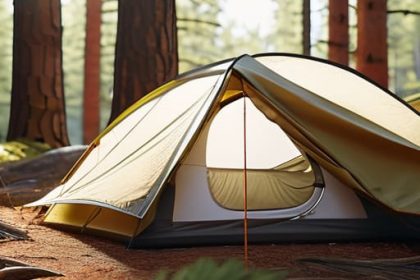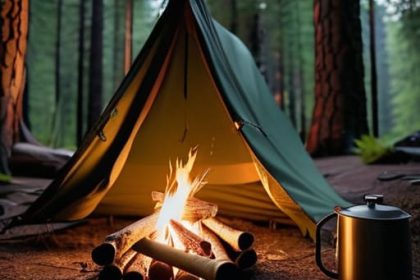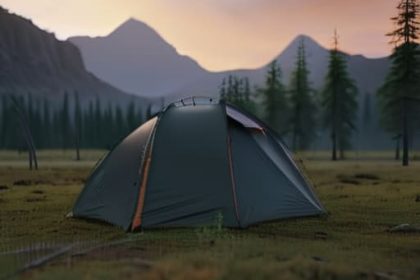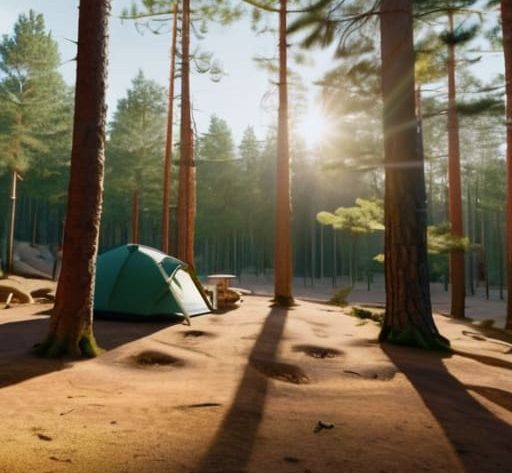
I remember standing in a sodden, wind-whipped glen in the Cairngorms three years ago, trying to pitch a tent while a group of hikers twenty yards away blasted techno from a Bluetooth speaker. It wasn’t just the noise; it was the blatant disregard for the fact that they were sharing a finite, fragile space with everyone else. People tend to think that understanding how campsite etiquette works involves memorizing a list of laminated rules posted on a ranger station noticeboard, but that’s nonsense. Real etiquette is much more instinctive than that; it’s about recognizing that your “freedom” to do whatever you want ends the moment it starts infringing on someone else’s right to quiet.
I’m not here to give you a lecture on being a “good citizen” or to sell you on some expensive, high-tech way to be polite. Instead, I’m going to tell you what I’ve learned from twenty-two years of managing land and leading groups through some of the most remote corners of this country. I’ll be sharing the practical, often unglamorous realities of sharing a site—from managing waste when the weather turns foul to the unspoken timing of when to cook and when to shut up. No fluff, just the stuff that keeps the peace.
Table of Contents
Upholding Leave No Trace Principles When No One Is Watching
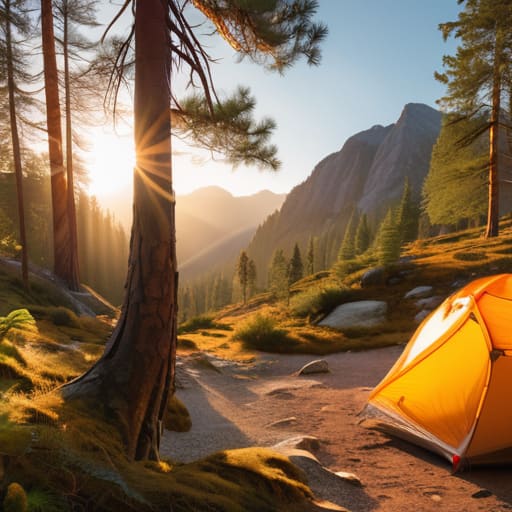
The real test of your character isn’t how you act when the ranger is watching, but what you do when you’re three miles from the nearest road and the sun is dipping low. Following leave no trace principles shouldn’t feel like a chore or a set of rigid laws; it’s just the baseline for being a decent human in a shared space. I’ve spent years repairing footpaths that were shredded by people trying to “shortcut” around a muddy patch or dumping greywater right next to a stream because they couldn’t be bothered to walk ten paces to the designated area. It’s those small, lazy decisions that degrade a site faster than a thousand visitors.
True responsible camping behavior is about minimizing your footprint so that the landscape looks like you were never there. This means more than just packing out your rubbish—though, if I see a single crisp packet left in a hollow, I’ll lose my patience—it’s about how you treat the ground itself. Don’t scrape away the heather for a better view or build a massive rock cairn just because you can. Respect the existing terrain, because once that topsoil is gone, it isn’t coming back on our lifetime.
Managing Campsite Neighbors Without Killing the Mood
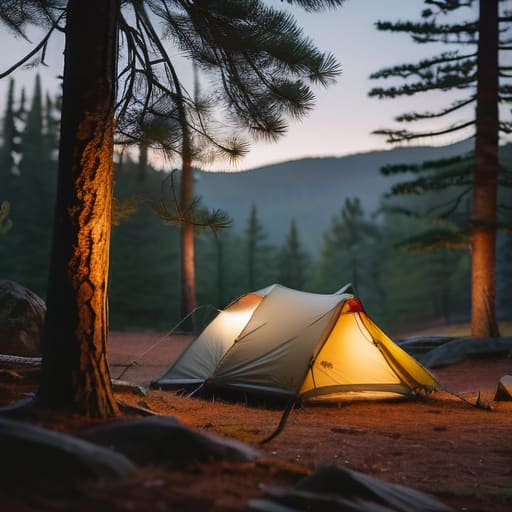
Managing campsite neighbors without killing the mood is less about being a hall monitor and more about reading the room—or the clearing. I’ve spent enough nights in the wind to know that everyone is on edge when the temperature drops, and a loud, boisterous group can feel ten times more intrusive when you’re trying to settle into a sleeping bag. The most effective way to maintain outdoor community standards is to assume that everyone else is also trying to have a decent trip. If you see a group setting up a massive, bright blue tarp right next to someone’s quiet, low-profile bivvy, a polite, “Hey, mind if we get a bit of space here?” usually works better than a glare.
It also comes down to respecting the unspoken boundaries of sound and light. Most established sites have designated quiet hours at campgrounds, but even in the wild, the rule of thumb is simple: if you can hear it from fifty yards away, it’s too loud. I’ve seen too many trips soured because someone thought a Bluetooth speaker was a necessity for a mountain ridge. Keep the light low and the volume down; it’s the easiest way to ensure you aren’t the person everyone is whispering about once you’ve gone to sleep.
The Practicalities: Five Ways to Not Be the Problem
- Respect the “buffer zone” of sound. I’ve spent enough nights in a tent to know that sound travels differently in still, mountain air than it does in a city. If you’re playing music, keep it to your own headspace. If you’re having a loud debate about where the trail goes, take it ten yards away from the nearest sleeping pad. It’s not about being silent; it’s about not forcing your soundtrack on someone else’s sleep.
- Manage your waste like your life depends on it—because in some environments, the ecosystem actually does. This isn’t just about picking up your crisp packets. It’s about the “boring” stuff: how you handle greywater from washing up and where you actually bury your human waste. I’ve seen too many people think a bit of biodegradable soap is a free pass to dump soapy water directly into a stream. It isn’t. Use a way-station or a dig pit well away from the water source.
- Watch your footprint on the ground. If you’re in a designated area, stay on the established pads or hard ground. If you’re wild camping, don’t start clearing a massive patch of heather or breaking branches to make a “comfy” spot. You might think you’re just making a little space, but you’re actually stripping the ground of its ability to recover. I’ve spent years repairing footpaths that were ruined because people thought “just a little bit of trampling” wouldn’t matter.
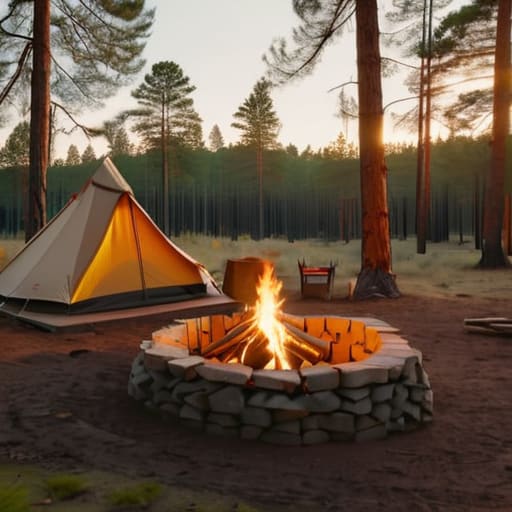
- Timing is everything with light and heat. If you’re using a stove, do it early. If you’re using a headlamp, keep it on a low, red-light setting if you’re moving through a shared space. There is nothing more jarring than a high-lumen white beam hitting someone in the eyes at 10:00 PM while they’re trying to settle in. It’s a small adjustment that makes a massive difference to the collective mood.
- The “Leave it Better” Rule. This is the simplest one, but the hardest to maintain when you’re exhausted and it’s raining sideways. Before you pack up, do a slow, methodical sweep of your site. I always do a five-minute “look back” once my pack is on. If you see a stray bit of twine or a crushed bit of rubbish that isn’t yours, pick it up. The goal is for the next person to walk into that spot and have no idea you were ever there.
The Real Cost of a Bad Camp
Etiquette isn’t about being precious or following a handbook; it’s about recognizing that the moment you stop being mindful of your footprint or your noise, you’re no longer a guest in the landscape—you’re just another piece of clutter that the next person has to deal with.
Bridget Halloran
The Bottom Line
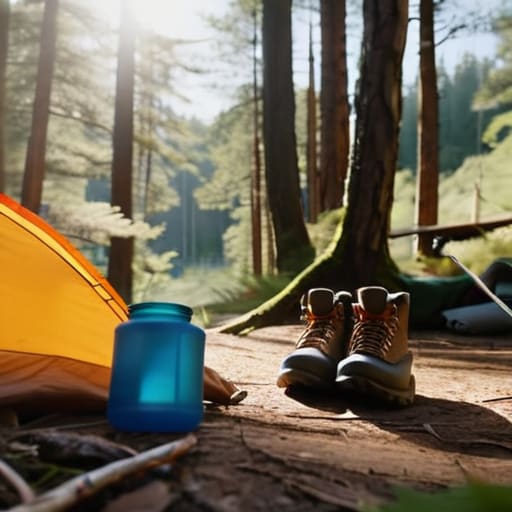
At the end of the day, campsite etiquette boils down to a simple calculation of impact. It’s about the small, often invisible choices: whether you pack out that bit of plastic, how far you pitch your tent from the water source, and whether you’re the person keeping the noise levels within the bounds of the natural environment. We’ve talked about the technicalities of Leave No Trace and the social nuances of sharing a pitch, but the common thread is accountability. You are responsible for the footprint you leave behind, both physically in the soil and socially in the atmosphere of the camp. If you can master that, you’ve already done the hard part of being a decent hiker.
I’ve spent twenty-two years watching how people treat the places they visit, and the ones who truly belong in the hills are the ones who move through them with a quiet kind of respect. The mountains don’t care about your gear list or how many miles you’ve clocked, but they certainly respond to how we treat their fragile edges. When we follow these unwritten rules, we aren’t just following a code; we are protecting the very stillness that drew us out here in the first place. Go out, enjoy the ridge, watch for the raptors, but leave the site exactly as you found it—or better.
Frequently Asked Questions
How do I handle a group that’s clearly ignoring the rules without causing a confrontation?
You don’t go in guns blazing; that’s how you end up in a shouting match when you’re both exhausted and cold. I’ve found the “curious question” works best. Instead of “You’re making a mess,” try, “Hey, I noticed the wind is picking up—do you need a hand securing those pegs so they don’t fly off?” It addresses the issue without the lecture. If it’s a safety thing, like a fire near a tent, be direct. “I’ve seen these sparks catch a flysheet in a gust; let’s move that back.” Safety isn’t a confrontation; it’s just common sense.
What’s the proper way to manage waste and hygiene in remote areas where there aren't any facilities?
If there’s no toilet, you become the toilet. It sounds grim, but it’s the reality of remote camping. Dig a hole—at least six inches deep—at least 200 feet from water, trails, or camp. I’ve spent a decade managing sites where people thought “burying” meant just tossing it in a shallow divot; that doesn’t work. Pack out your TP in a dedicated zip-lock bag. Don’t leave it to decompose; it won’t, and it’s a mess for everyone.
At what point does "noise" transition from being part of the outdoor experience to being a genuine problem for others?
It transitions the moment it stops being a sound and starts being a disruption. A heavy rain on a tent or a distant owl is the environment; a Bluetooth speaker or a shouting match is a disruption. I’ve sat in silence on many ridges, waiting for a Peregrine to settle, and you realize how much the quiet matters. If your noise forces someone else to work harder to hear the landscape, you’ve crossed the line.