I once watched a group of well-meaning hikers spend forty minutes trying to assemble a titanium gourmet kitchen set while a low cloud bank was swallowing the ridge and the temperature was dropping fast. They were so focused on their recipe that they didn’t notice the wind was ramping up to a gale, making it impossible to keep a flame steady. Most of the advice you find online about how to cook while camping assumes you’re sitting in a sun-drenched meadow with zero wind and a steady supply of luxury ingredients. In reality, cooking in the mountains is usually a frantic, cold-fingered battle against the elements, and if your kit is too complicated, you’re just adding unnecessary weight to a pack that’s already too heavy.
I’m not here to sell you on a lifestyle brand or a fancy multi-course meal. I’m going to tell you how to manage fuel, heat, and calories when you’re tired, wet, and losing daylight. I’ll be sharing what I’ve actually used over the last fifteen years of mountain leading—from lightweight stoves I’ve burned through in sub-zero temperatures to the specific ways I pack my fuel to avoid frozen canisters. This isn’t about gourmet dining; it’s about the logistics that keep you warm and fed.
Table of Contents
Minimalist Camping Meals for When the Weather Turns
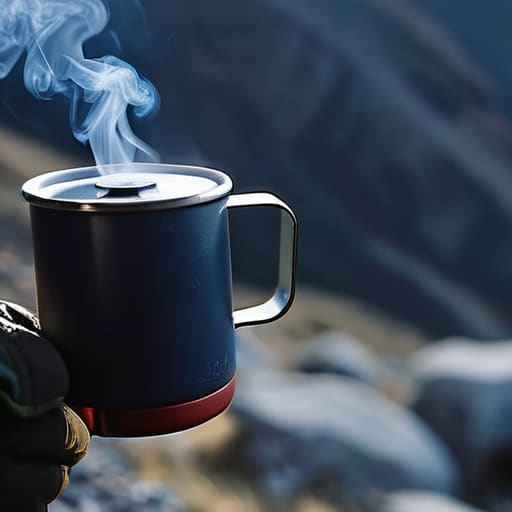
When the wind picks up on a ridge and the temperature drops ten degrees in twenty minutes, your appetite changes. You stop wanting a complex, multi-stage feast and start needing thermal energy, fast. This is where minimalist camping meals become a matter of safety rather than just convenience. I’ve spent many evenings huddled in a tent during a gale, trying to manage a stove while my fingers were too numb to work a zipper properly. In those moments, you want zero prep and maximum calories.
I rely heavily on one-pot camping recipes that require nothing more than boiling water and a sturdy spoon. I’ve used dehydrated meal pouches—specifically the high-calorie versions from brands like Real Turmat—for over five seasons in varying degrees of wet and cold. They weigh next to nothing and, more importantly, they don’t require you to fiddle with delicate ingredients when you’re shivering. If you are carrying a heavy pack, don’t bother with anything that requires chopping or complex outdoor meal preparation tips. Stick to the basics: quick-cook grains, dried proteins, and plenty of fats. If it takes more than five minutes to get hot food into your stomach, you’re doing it wrong.
The Heavy Truth About Portable Camping Kitchen Gear
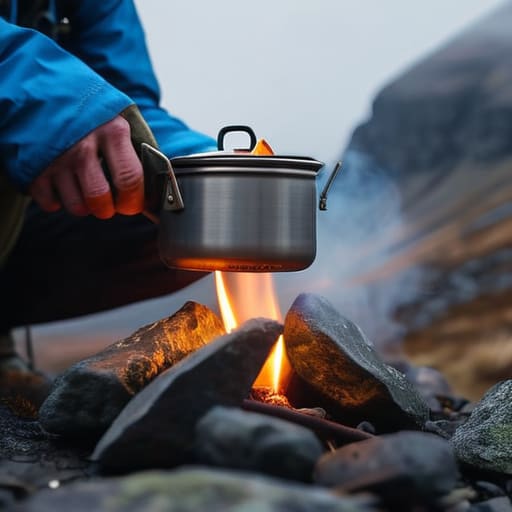
We often talk about weight in terms of base layers or sleeping bags, but people consistently underestimate the toll that portable camping kitchen gear takes on a pack. I’ve spent fifteen years carrying stoves, fuel, and pots across terrain that doesn’t care about your gear list. You might think a lightweight titanium burner is the answer, but if you’re trying to boil water in a gale on a ridge, that tiny footprint becomes a liability. I’ve used the MSR PocketRocket series for nearly a decade in everything from mild Welsh valleys to freezing Scottish highlands; it’s reliable, but you’ll find yourself shielding it with your body just to get a decent flame.
The reality is that every extra gram of kitchen kit is a gram you aren’t using for extra insulation or more food. I’ve seen too many walkers arrive at camp exhausted because they overpacked heavy cookware, only to realize they lack the energy to actually use it. If you aren’t sticking to one-pot camping recipes, you’re likely carrying more than you need. My rule is simple: if it doesn’t serve at least two purposes or handle a bit of wind, it stays in the car.
Five things that actually matter when the wind is blowing and the fuel is running low
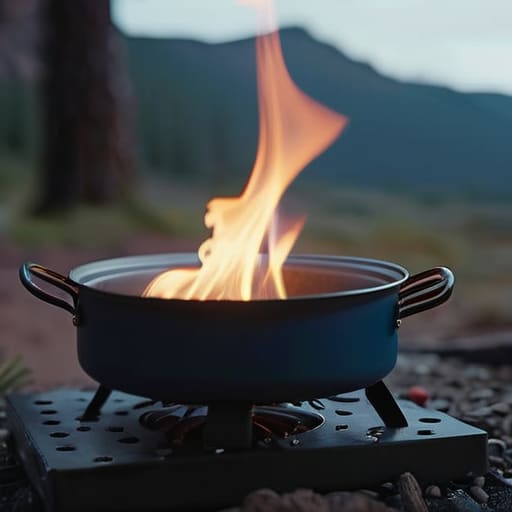
- Prioritise fuel efficiency over variety. I’ve spent many a night in the Cairngorms trying to boil water for tea while the wind stripped the heat right off my burner; if you’re bringing a stove, make sure it has a decent windscreen and that you actually use it. I’ve used the MSR PocketRocket+ for roughly four years in everything from summer heat to sub-zero gusts, and it’s reliable, but it won’t do the work for you if you’re being careless with your flame.
- Don’t underestimate the weight of “just in case” spices. It’s easy to pack a heavy glass jar of salt or pepper, but I’ve learned that small, airtight plastic containers are the only way to go if you want to avoid a mess in your pack. I’ve carried a tiny, battered metal tin of mixed spices through three seasons of multi-day treks, and it’s the difference between a bland meal and something that actually makes you feel human again.
- Prep your “wet” ingredients at home. If a recipe calls for chopping onions or dicing meat, do it in your kitchen before you leave the driveway. Trying to use a knife on a shaky, uneven rock surface while your hands are numb from the cold is a quick way to end a trip with a laceration that needs more than a plaster.
- Pack your eating utensils in a way that doesn’t require a search mission. I’ve seen too many people digging through the bottom of a heavy rucksack in the dark, trying to find a single spoon. Keep your spork or lightweight titanium spoon in the same compartment as your food pouch; when the light is failing and the temperature is dropping, you don’t want to be playing hide-and-seek with your cutlery.
- Learn to cook with one hand. It sounds trivial until you’re trying to steady a pot against a gust of wind or managing a lighter while your other hand is shoved deep into your down jacket for warmth. I’ve tested this during several emergency bivouacs in heavy rain, and if your cooking process requires two hands and a stable table, it’s not a realistic plan for the mountains.
The reality of the mountain kitchen
You can spend all morning researching the highest BTU output or the lightest titanium pot, but none of that matters if you haven’t accounted for the fact that trying to boil water in a gale at 800 metres is a lesson in frustration you don’t need. Cooking outdoors isn’t about the gourmet meal you planned in your warm kitchen; it’s about the logistics of fuel, wind protection, and whether you have the dexterity to operate a stove when your fingers are numb and the light is failing.
Bridget Halloran
The Reality of the Campfire
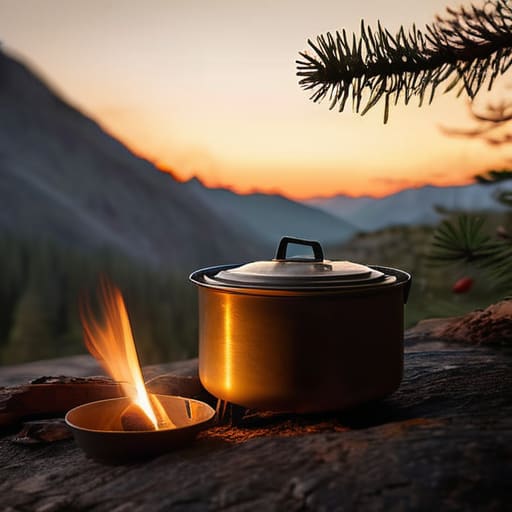
At the end of the day, cooking in the wild isn’t about recreating a Michelin-star experience; it’s about managing your energy and your temperament. You need to balance the weight of your stove against the caloric density of your food, and you absolutely have to account for the unpredictable reality of the wind and the temperature. Whether you are opting for lightweight dehydrated meals to save your knees on a long ascent or carrying a heavier burner for a proper hot meal, remember that your kitchen setup is just another piece of safety equipment. If your gear is too complicated or your food requires too much fiddling, you’ll end up hungry, cold, and frustrated when the light starts to fail.
I have spent two decades watching people struggle with their kit in the dark, and the most successful ones are always the ones who prioritize simplicity over sophistication. There is a profound, quiet satisfaction in sitting down after a hard day’s walk, hearing the wind lash against the tent, and knowing you have exactly what you need to stay warm and fed. Don’t let the desire for a fancy menu lead to an optimistic decision that leaves you unprepared. Master the basics, respect the weather, and you’ll find that even a simple bowl of porridge can feel like the greatest meal you’ve ever had.
Frequently Asked Questions
How do I keep my fuel from failing when the temperature drops below zero?
I’ve spent many a night in the Cairngorms watching a stove sputter and die because the fuel canister couldn’t keep up with the heat loss. If you’re dropping below zero, you need to keep that canister warm. I’ve used my MSR WhisperLite in sub-zero conditions for over a decade, and my rule is simple: keep the canister inside your jacket against your body until the second you need to light it. If you can, insulate the base of the pot; it makes a massive difference when the wind is stripping heat away from your setup.
Is it actually worth the extra weight to carry a proper stove instead of just using boiling water?
It depends entirely on your calorie density and your tolerance for misery. I’ve spent three days on the High Route with nothing but a kettle and dehydrated pouches; it works, but you’re limited to whatever you can pour water into. If you’re carrying a lightweight canister stove like my MSR PocketRocket—which I’ve used in gale-force winds on the Cairngorms for five seasons—you gain the ability to actually fry an egg or simmer a real meal. That extra 150g is worth it for the morale boost alone.
What’s the best way to manage food waste and hygiene when I'm camping in sensitive areas?
If you’re camping in sensitive areas, your biggest mistake is thinking “biodegradable” means “leave it there.” It doesn’t. I’ve spent too many seasons watching hikers leave orange peels and coffee grounds that take years to break down in high altitudes. Pack out every scrap, including tiny bits of foil. For hygiene, keep your washing station at least 50 metres from any water source. If you can’t carry the waste out, don’t bring the mess in.