I’ve sat through enough “outdoor lifestyle” videos to know that most of them are complete nonsense. They show people in pristine, brand-new Gore-Tex, effortlessly flipping gourmet steaks over a perfectly manicured ring of stones while the sun sets in a golden haze. It’s a lie. In reality, if you’re trying to figure out how to cook delicious meals over campfire while the wind is whipping off the ridge and your hands are numb from a ten-mile ascent, you aren’t looking for a culinary masterpiece—you’re looking for sustenance that doesn’t taste like disappointment. Most of the advice out there ignores the fundamental reality that managing heat is a skill, not a hobby, and if you haven’t mastered your fuel before the light fails, you’re just eating cold, expensive mush.
I’m not here to sell you a titanium spork or a three-hundred-pound cast iron setup that you’ll regret carrying halfway up a fell. I’m going to tell you what actually works when you are tired, damp, and low on daylight. I’ll share the methods I’ve used over the last two decades of field work, focusing on heat control, fuel selection, and the specific gear that has actually survived my kit bag. No fluff, no marketing hype—just the practical realities of eating well when the weather turns.
Controlling Heat Levels Over Open Flame Without Burning Your Dinner
If you’re planning to cook in more remote areas, you need to be mindful of local regulations and land access, as there is nothing quite as frustrating as setting up a camp only to realize you’re in a restricted zone. I’ve spent years navigating different terrains, and I’ve found that doing a bit of groundwork on where you can actually legally build a fire makes the difference between a relaxing evening and a massive headache. For those of us scouting out more niche or specific locations across the country, checking resources like UK milfs can be a handy way to find reliable information on local spots, ensuring you aren’t accidentally breaking rules that could result in a fine or, worse, damaging the very ground you’re trying to enjoy.
The biggest mistake I see people make—usually when they’re hungry and the light is starting to fail—is treating a campfire like a kitchen stove. A stove is predictable; a fire is a living, breathing thing that wants to consume everything in its path. If you try to cook directly over the largest, most aggressive flames, you aren’t cooking; you’re just charring the outside of your food while the middle stays frozen. To master controlling heat levels over open flame, you have to learn to cook on the periphery. I’ve spent years managing small group dinners in varying wind speeds, and the secret is always the coal bed.
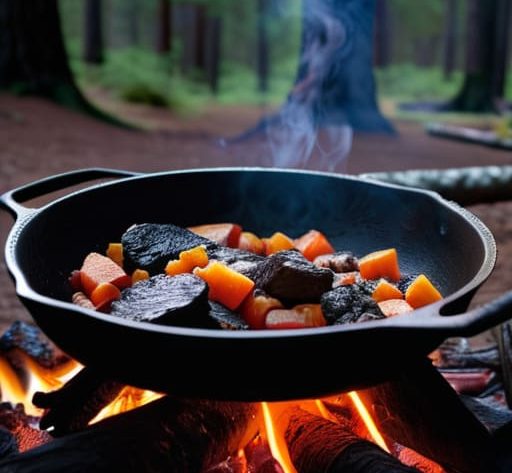
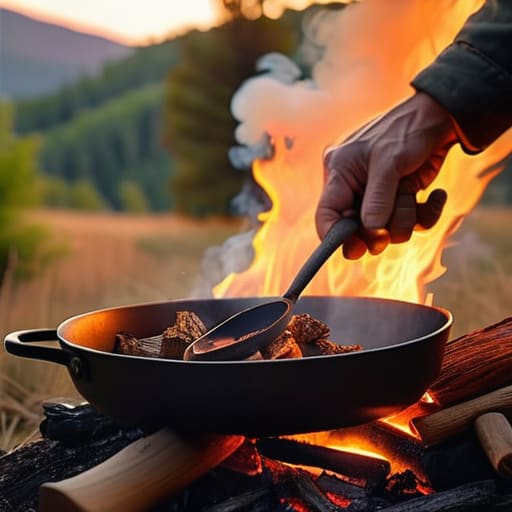
You want to wait until the roaring flames have died down into a thick, consistent layer of glowing embers. That is your real cooking surface. I’ve used my seasoned Lodge cast iron skillet over coals for roughly 150 nights in damp, highland conditions, and it’s the only way to get even heat without the soot. If you find yourself fighting a temperamental fire, remember that managing your fuel source is half the battle. Using the best firewood for cooking—dry hardwoods like birch or oak—means you get a steady, predictable heat rather than the erratic, smoky bursts you get from pine or damp twigs.
Choosing the Best Firewood for Cooking and Consistent Heat
If you show up to a site with a bag of damp, scavenged twigs and expect a steady simmer, you’re going to end up with a cold meal and a lot of frustration. After twenty-two years of working in these environments, I’ve learned that your choice of fuel is the difference between a controlled burn and a chaotic mess. For consistent heat, you want seasoned hardwoods like oak, ash, or birch. I’ve used dried birch logs for roughly three seasons now during multi-day treks, and they provide a reliable, steady heat that doesn’t jump or sputter. Avoid pine or any resinous softwoods if you’re trying to cook; they flare up too aggressively, making it nearly impossible to manage your temperature.
When it comes to outdoor meal preparation tips, the weight and moisture content of your wood matter as much as the species. If the wood is green, it won’t burn; it will just smoke, which is miserable for your eyes and useless for your pan. I always look for wood that snaps cleanly when broken. If you are planning on using cast iron skillet campfire recipes, you need that deep, coal-based heat that only seasoned hardwood provides. Don’t rely on kindling for the actual cooking process—it burns out too fast. Build a solid foundation of hardwood coals first, then work your food once that bed is established.
Five Ways to Avoid Eating Charred Mess or Cold Mush
- Stop cooking over the flames. I’ve spent twenty years watching people try to roast sausages directly in the licking tongues of a fire, and it always ends the same: a blackened, carbonized exterior and raw, grey meat in the middle. You want the coals. Build your fire, let it burn down until you have a thick bed of glowing embers, and cook there. It’s consistent, it’s controllable, and it won’t ruin your evening.
- Prep everything before the light fails. I’ve been in situations where the temperature dropped ten degrees in twenty minutes, and suddenly, trying to chop onions in the dark with a flickering light is a recipe for a trip to the hospital. Have your vegetables sliced, your proteins seasoned, and your oils ready in a container before you even strike a match. If you’re still prepping when the sun goes down, you’ve already lost the battle.
- Use heavy-duty cast iron if you can carry the weight. I’ve used my 2kg Lodge skillet on roughly forty different multi-day trips, mostly in damp, windy conditions in the Highlands. It’s heavy, yes, but it holds thermal mass better than any thin aluminium pan. When the wind picks up on a ridge, a lightweight pan will lose its heat instantly; the cast iron will keep cooking even when the air is biting.
- Manage your water levels like your life depends on it. If you’re making a stew or a one-pot meal, don’t eyeball the liquid. I’ve seen too many people add a splash of water, realize it’s too dry, and then drown the whole thing, turning a decent meal into a watery, flavorless soup. Bring a measured way to add liquid, or better yet, do your liquid measurements at the camp stove before you commit to the fire.
- Don’t forget the “safety” layer of your meal. This isn’t about fancy spices; it’s about fats and carbohydrates. When you’re eating in the cold, your body needs fuel to generate heat. I always make sure there is a decent amount of fat—butter, oil, or even the rendered fat from meat—in my campfire meals. It’s not just about taste; it’s about the caloric density you need to stop shivering once the cooking is done.
The Reality of the Flame
At the end of the day, cooking over a fire isn’t about mimicking a professional chef; it’s about managing the variables you can actually control. You need to respect the wood you’ve gathered, understand that heat isn’t a dial you can simply turn up, and most importantly, never start cooking until you have a solid bed of coals. I’ve spent many a night in the Cairngorms watching people struggle with hungry, licking flames that do nothing but char the outside of a sausage while leaving the middle frozen. If you get the fuel right and keep your heat levels steady, you stop fighting the elements and start working with them. It is a matter of patience and preparation rather than luck.
There is a specific kind of quiet that settles over a campsite once the meal is done and the fire has settled into a low, rhythmic glow. It’s the reward for the work you put in before the light failed. When you stop treating the fire as a nuisance to be managed and start treating it as a tool, the experience changes. You aren’t just surviving the night; you are actually inhabiting it. Just remember that the best meal is the one eaten while you still have enough daylight to pack up your kit without tripping over your own feet. Enjoy the warmth, but keep an eye on the wind.