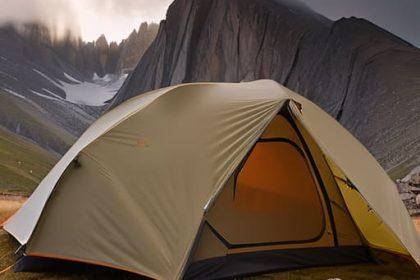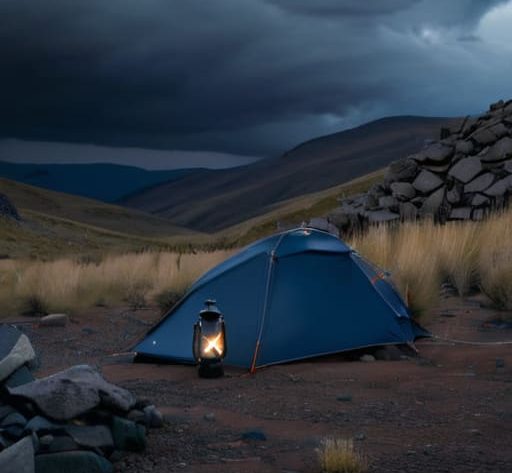
I remember a night on the edge of the Cairngorms back in 2012—I was leading a group of three, and we’d all made the mistake of thinking a “moderate breeze” in the valley meant anything once we hit the plateau. The sound wasn’t just a whistle; it was a physical weight slamming against the flysheet, a relentless, rhythmic thudding that makes you feel like the mountain is trying to peel you off the earth. Most gear guides will tell you to just buy a more expensive, heavier four-season tent, but they rarely talk about the psychological exhaustion of trying to learn how to camp in wind when you’re already shivering and questioning every decision you made at the trailhead.
I’m not here to sell you on a high-tech gadget that’s only been tested in a garden in Surrey. I’m going to tell you how to manage the reality of a site that’s too exposed, how to pitch when your hands are too cold to work a guy line, and how to recognize the exact moment when the wind has won and you need to pack up and move. This isn’t about perfection; it’s about making sure you actually get to sleep instead of fighting for your life in a nylon bag.
Table of Contents
Choosing a Campsite in Windy Weather Before the Gusts Hit
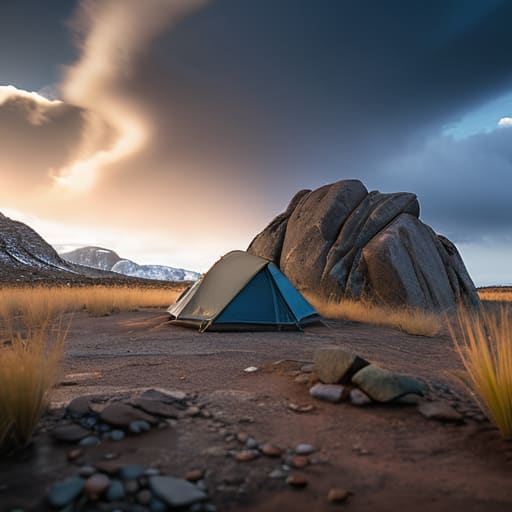
The biggest mistake I see people make is arriving at a site when the light is failing and the wind is already gusting, then trying to “find” a spot. You don’t find a spot in a gale; you select one while you still have the energy to think clearly. When choosing a campsite in windy weather, your first priority isn’t the view—it’s the topography. Look for the lee side of a large boulder, a depression in the ground, or a thicket of scrub. I’ve spent many nights tucked into a shallow hollow that felt like a bathtub; it kept the worst of the buffet off my flysheet.
Avoid the temptation to pitch on a ridge or an exposed plateau just because it feels “wild.” If you are forced onto high ground, you need to be obsessive about your windproof tent setup. I always look for a site where I can orient my tent so the narrowest profile faces the wind, rather than the broad side of the door. If the ground is that scree-heavy or peat-soaked soil I’ve dealt with for twenty years, you’ll need to be prepared to use extra guy lines and rocks to supplement your pegs.
Storm Camping Safety Tips for When the Sky Turns Grey
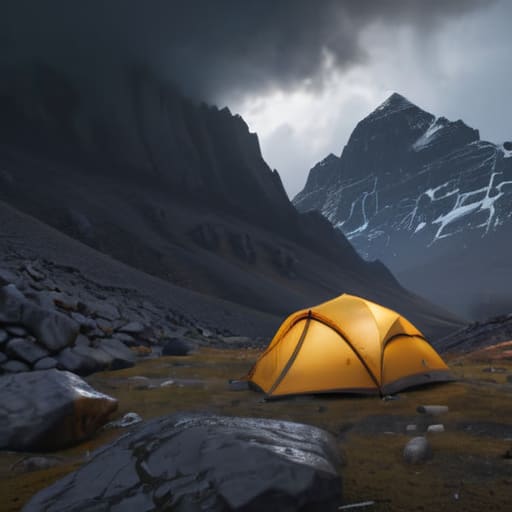
When the sky turns that bruised, heavy shade of grey and the barometer starts its steady dive, you have to stop thinking about comfort and start thinking about stability. This is where most people make their mistake—they wait until the first gust hits to start worrying. Real storm camping safety tips begin with your mindset: if the wind is increasing, your priority is no longer the view, it’s the structure. I’ve spent many a night in a gale where the difference between a good sleep and a panicked midnight scramble was simply how much effort I put into my initial setup.
Once the weather turns, you need to focus on your windproof tent setup with a level of scrutiny most people reserve for their bank statements. Don’t just hammer stakes in; you need to be securing tent stakes in wind using deadman anchors or heavy stones if the ground is too thin or loose to hold. I’ve used my Hilleberg Akto in sustained 40mph gusts for three seasons across the Cairngorms, and the lesson is always the same: tension is everything. If the flysheet is flapping, it’s absorbing energy that will eventually tear a seam or snap a pole. Tighten everything until it’s drum-tight, or don’t bother pitching at all.
Five ways to stop your kit from becoming a kite
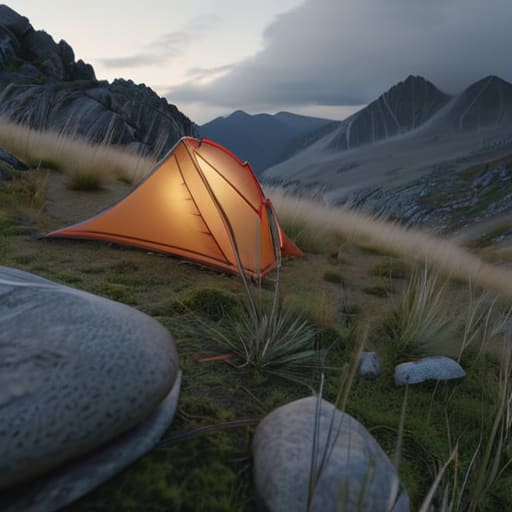
- Pitch low and close to the ground. I’ve spent too many nights trying to expand a footprint in a gale; just get the tent out, find the lee of a boulder or a depression in the ground, and get it staked. If you can see the wind moving the grass, you’re already in the wrong spot.
- Double up on your pegs. I’ve used the standard aluminum Y-pegs from my Osprey tent for about four years in varied UK conditions, and they’re fine for a calm night, but in a proper ridge blow, they’ll pull straight out of the soil. Use extra guy lines and, if the ground is soft, shove a heavy stone over the peg head to lock it in.
- Manage your guy lines like your life depends on it—because in a storm, it basically does. Don’t just tighten the main lines; ensure every single loop is taut. I’ve seen lightweight silnylon tents collapse because one corner was left slack, allowing the fabric to whip until the seam finally gave up.
- Keep your heavy gear inside the tent to act as an anchor. I always keep my pack and my heavy boots right in the center of the floor. It adds a bit of weight, sure, but it helps dampen the vibration when the wind starts hitting the flysheet, which stops that maddening, sleep-depriving flapping.
- Check your tent’s tension every hour. Wind isn’t constant; it comes in pulses. I’ve learned the hard way that a tent that felt secure at 10 PM can be vibrating like a drum by midnight. Get out of your sleeping bag, check the tension, and tighten those lines before the wind reaches its peak.
The cost of optimism
I’ve spent twenty years watching people try to “muscle through” a setup while the wind is already ripping at their flysheet, and it never ends well. By the time the gusts are actually hitting, you aren’t a camper anymore; you’re just a person struggling to stay upright. If you aren’t pitched, staked, and tucked into your sleeping bag before the first real howl comes off the ridge, you’ve already lost the battle.
Bridget Halloran
The final word on the wind
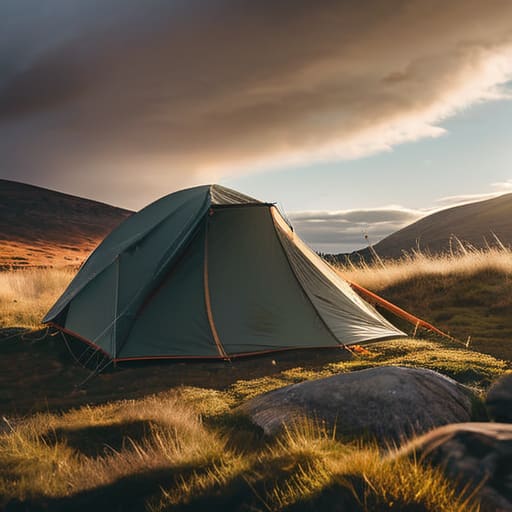
Ultimately, camping in high winds isn’t about fighting the elements; it’s about managing your own expectations and your footprint. You need to have selected a site that offers a natural lee, ensured your pegs are driven deep into stable ground, and double-checked that your guy lines are taut and properly angled. Remember that your gear is only as good as your ability to deploy it before the conditions deteriorate. If you find yourself wrestling with a collapsing flysheet in a gale, you’ve already missed the window. Success in these conditions depends on the boring work—the extra ten minutes spent checking tension and the decision to pitch early—rather than how much high-tech kit you’ve strapped to your back.
There is a specific, heavy kind of silence that exists only when you are tucked inside a well-pitched tent while a storm rages just inches away on the other side of the fabric. It is a raw, humbling reminder of where we sit in the natural order. If you respect the weather and refuse to be optimistic when the barometer starts dropping, those nights can be some of the most profound experiences you’ll ever have. The wind will eventually die down, the sky will clear, and you’ll be left with the satisfaction of knowing you didn’t just endure the night, but you actually prepared for it.
Frequently Asked Questions
How do I know if my tent poles are actually rated for the gusts I’m seeing on the forecast, or if I'm just being optimistic?
The short answer is: you don’t. Manufacturers test in controlled wind tunnels, not on a granite plateau in the Lake District during a gale. If the forecast says 40mph gusts and your tent is a lightweight three-season model, you’re being optimistic. I’ve spent fifteen years watching poles buckle because someone trusted a spec sheet over their gut. If the wind is making your guy-lines hum like guitar strings, it’s already pushing the limits.
What’s the best way to stake out a site on rocky ground where I can't get any pegs to bite?
When the pegs won’t bite, stop fighting the ground and start using its weight. I’ve spent many a night on the Cuillin where pegs were useless. My go-to is “deadman” anchoring: bury a heavy rock or a sturdy branch deep in a shallow trench, then tension your guy lines to that. If you’re on solid slab, use large, flat stones to pin your guy lines directly. It’s heavier to pack, but it beats waking up in a collapsed tent.
If the wind is hitting the side of the tent all night, how do I stop the constant flapping from keeping me awake and exhausted?
The flapping is more than just annoying; it’s a rhythmic vibration that keeps your nervous system on edge, meaning you never actually hit deep sleep. If you’re stuck in a tent that’s acting like a sail, tension is your only friend. Use every guy line you have. I’ve spent many nights in the Cairngorms doing exactly this—tightening lines until the fabric is drum-tight. If it’s still whipping, pack more gear into the corners to weight the flysheet down. It won’t be silent, but it’ll stop the violent snapping.