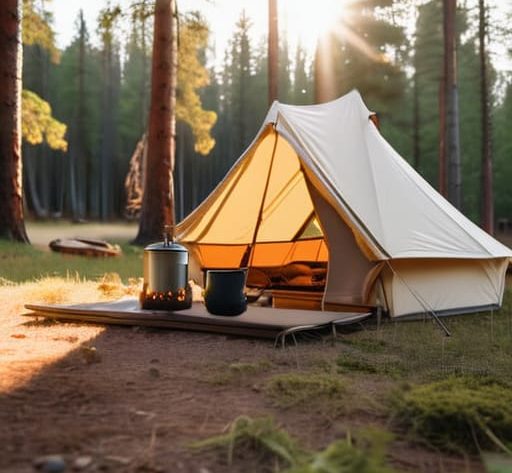
I spent three hours last Tuesday watching a well-meaning couple struggle to pitch a high-tech, ultralight tent in a steady drizzle, only to realize they hadn’t even checked the wind direction on the ridge. Most guides on how to start camping will try to sell you a thousand pounds’ worth of “essential” gadgets that you’ll never actually use, or they’ll make it sound like a seamless, sun-drenched montage. They skip the part where the dampness gets into your bones or where a simple mistake in your layering choice turns a pleasant evening into a very long, very cold night of shivering in a sleeping bag.
I’m not here to sell you on the dream; I’m here to help you manage the reality. In this guide, I’m going to strip away the marketing fluff and tell you what actually matters—from selecting boots that won’t fail you on a scree slope to understanding why your “waterproof” jacket might be your biggest liability. I’ll give you the honest truth about gear based on years of actual use in the hills, focusing on the practical decisions that keep you warm, dry, and capable of enjoying the view.
Table of Contents
A Camping Gear Checklist for Beginners That Actually Works
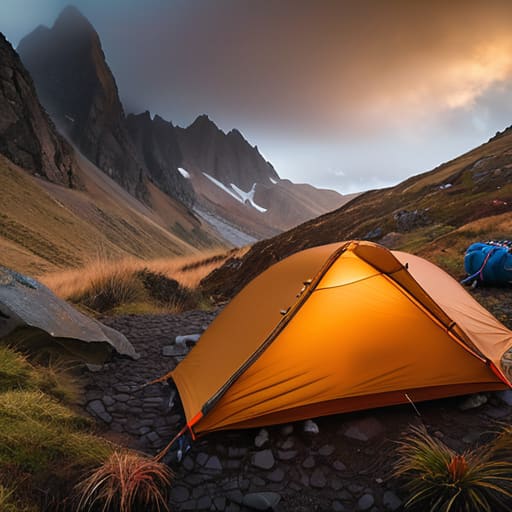
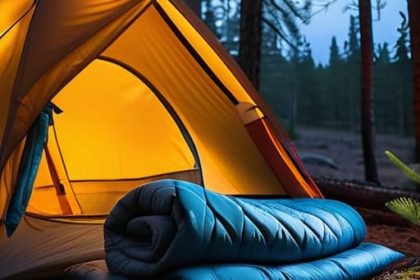
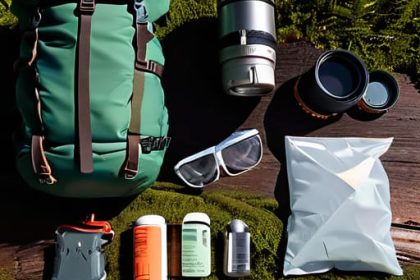
Most people approach their first camping gear checklist for beginners by looking at what’s shiny or lightweight in a catalog. That is a mistake. I’ve spent twenty years seeing how gear actually performs when the wind is gusting at thirty knots and you’re trying to eat a lukewarm meal in the dark. Start with the “big three”: your shelter, your sleep system, and your pack. I’ve used my old Terra Nova shelter in everything from mild Welsh valleys to sub-zero Scottish ridges for over five years, and it’s the only reason I’ve stayed dry when the forecast turned sour. If you aren’t sure how to pitch a tent in the dark or while shivering, you aren’t ready to go; practice in your garden first.
Don’t get bogged down in technical specs you don’t understand. Focus on layers and light. You need a reliable headlamp—not a phone torch—and a clothing system that doesn’t rely on cotton. I’ve seen too many people get hypothermic because they thought a fleece was enough when a proper hardshell was what they actually needed. Keep your kit simple, keep it functional, and remember that weight only matters if you can actually move in it.
Finding the Best Camping Sites for Novices and Low Stakes
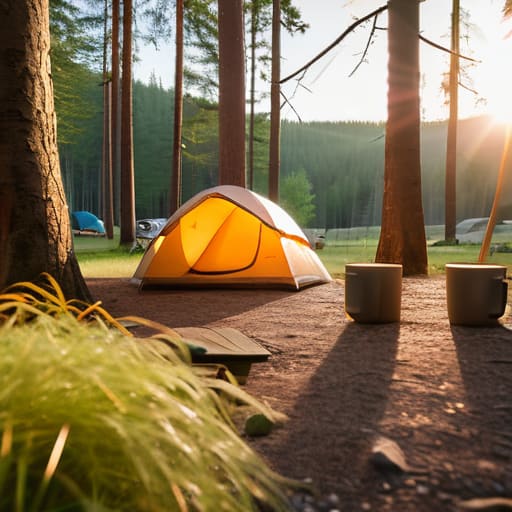
When you’re first starting out, your biggest mistake will be thinking that “wild” is synonymous with “better.” It isn’t. For your first few outings, you want to look for the best camping sites for novices—places with established footprints, level ground, and, most importantly, proximity to a vehicle. I spent a decade as a ranger, and I’ve seen far too many people get stuck in a miserable situation because they tried to trek three miles into a boggy valley with a poorly pitched tent just to feel “authentic.” Start with managed sites that offer basic facilities; it takes the pressure off your technical skills and lets you focus on the basics.
Once you’ve settled into a site, don’t treat it like a permanent residence. Use these low-stakes trips to practice your outdoor survival basics without the panic of a real emergency. This is the time to learn how to manage your light, how to keep your sleeping bag dry, and how to handle a sudden downpour. If you can’t figure out how to manage your kit in a well-lit, flat campsite, you certainly won’t manage it on a windswept ridge at 2:00 AM.
Five things I wish I’d known before my first night in a tent
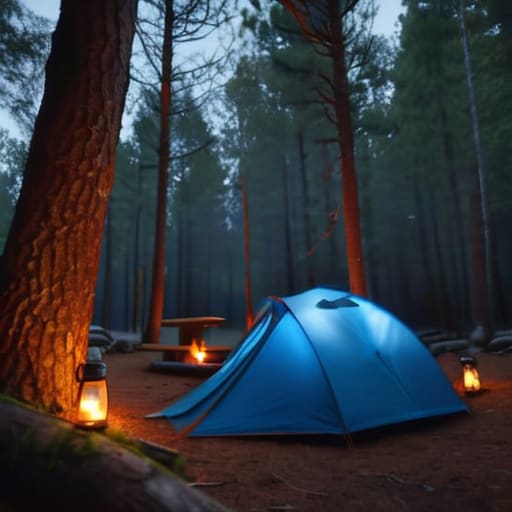
- Test your gear in the garden or a local park first. I spent three nights in a lightweight tent back in 2018 that I thought was perfect, only to find out in a real downpour that the flysheet wasn’t seated right and I woke up in a puddle. Don’t let your first time wrestling with poles be at dusk, in the wind, when you’re already tired.
- Respect the “turn around” time. Most people get stuck because they see a beautiful ridge or a perfect clearing and decide to push for just one more hour. I’ve seen too many groups lose their light and their dignity because they were being optimistic. Set a hard time to stop moving, regardless of how much further you think you can go.
- Layer for the temperature you’ll actually be in, not the one you’re in now. You might feel fine while hiking in a t-shirt, but the moment you stop, your body heat drops like a stone. I always carry a dedicated mid-layer—something like a heavy fleece I’ve worn through forty days of damp Scottish weather—specifically for that transition when the sun goes down.
- Learn to read a real forecast, not just the icon on your phone. If the app says “sunny” but the pressure is dropping and the wind is picking up from the west, trust the wind. A sunny morning on a valley floor tells you absolutely nothing about what the weather will be doing on a plateau two hours later.
- Keep your food and your sleeping bag separate. It sounds basic, but a single spilled bit of chocolate or a stray bit of dried fruit can bring every critter in the vicinity to your tent door. I’ve spent many nights listening to things sniffing at the canvas because someone left a wrapper in a side pocket instead of a sealed dry bag.
The Illusion of the Forecast
Most people think camping is about the gear you buy, but it’s actually about the decisions you make when the wind picks up and the light starts to fail; the most important skill isn’t knowing how to pitch a tent, it’s knowing exactly when to pack it back up and head home.
Bridget Halloran
The Reality of the First Night
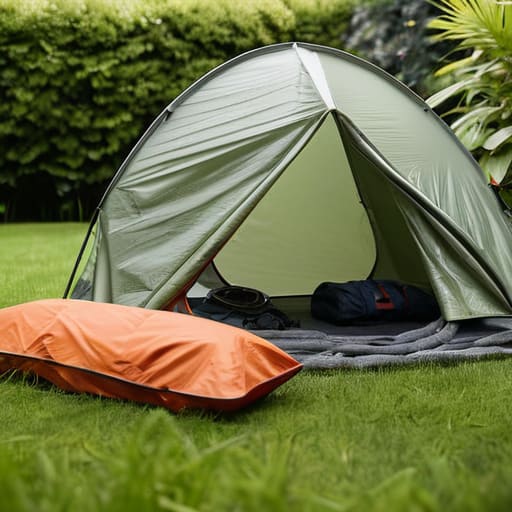
If you’ve followed this through, you shouldn’t be heading out with a sense of reckless confidence, but rather a sense of preparedness. We’ve covered the gear that actually keeps you dry, the necessity of choosing low-stakes sites where you aren’t fighting a gale on a ridge, and the importance of not overcomplicating your kit list before you even know how you sleep in a sleeping bag. Remember: your gear is only as good as your understanding of it. Don’t buy a lightweight tent because a website said it’s “breathable” if you haven’t actually spent a night in it during a damp, humid July; test everything in your garden or a local park first. The goal isn’t to be an expert overnight, it’s to ensure that when the weather shifts—and it will—you aren’t caught staring at a piece of equipment you don’t know how to use.
At the end of the day, camping is about closing the gap between the life you lead and the landscape around you. There will be moments when the tent peg won’t go in, or the dampness feels like it’s seeped into your very bones, but those are the moments that teach you how to read the wind and respect the terrain. The outdoors isn’t something to be conquered; it’s something to be listened to. Once you move past the initial friction of setting up camp and managing your layers, you’ll find a stillness that you simply cannot get anywhere else. Start small, stay smart, and just get out there.
Frequently Asked Questions
How much weight should I actually be carrying if I'm only doing single-day trips or short weekend stays?
For a single day, I aim to keep my pack under 6kg. If you’re carrying more than that for a day hike, you’re likely overpacking “just in case” items that you’ll never actually use. For a weekend, I budget for 10–12kg. I’ve spent three days straight in the Cairngorms with a 14kg pack, and by the second afternoon, my knees were screaming. Keep it lean; every extra gram is a tax on your energy when the weather turns.
When the forecast says 'light showers' but the wind is picking up on the ridge, should I push on or head back?
If the wind is picking up on a ridge, “light showers” are a lie. On a summit, that wind will turn a drizzle into a horizontal driving rain that shreds your layering strategy in minutes. I’ve seen too many people get caught out because they focused on the rain and ignored the wind chill. If you’re feeling the gusts increase and the temperature drop, turn back. The ridge isn’t going anywhere, but your ability to stay warm might.
Is it better to invest in one expensive, high-quality tent now, or should I buy cheap gear until I know what kind of terrain I actually enjoy?
Buy the cheap tent first. I’ve spent twenty years watching people buy a £600 lightweight trekking tent only to realize they actually prefer the slow, heavy-pack style of hillwalking, or worse, they find they hate sleeping on the ground entirely. Spend your money on a decent sleeping mat and a proper shell jacket instead—those are your lifelines. Learn how you actually sleep and how much weight you can carry before you commit to the big-ticket items.