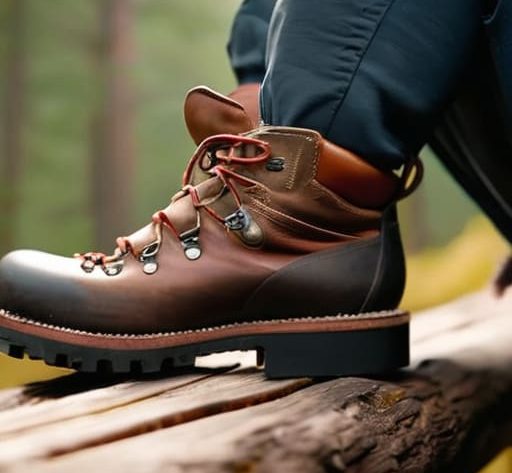
I remember standing on a ridge in the Cairngorms three years ago, watching a group of hikers try to navigate a scree slope in boots that were clearly chosen because they looked “rugged” in a shop window. They were shivering, their feet were soaked through despite the “waterproof” claims, and more importantly, they were exhausted because they were fighting their own footwear with every step. Most advice on how to choose walking boots focuses on the latest high-tech membranes or the flashiest branding, but that’s nonsense. A boot isn’t a fashion statement or a piece of laboratory equipment; it is the single most important interface between your body and a landscape that doesn’t care if you’re comfortable.
I’m not here to sell you on a specific brand or repeat a glossy marketing brochure. Instead, I’m going to tell you what actually matters when the wind is hitting forty knots and the terrain turns to peat bog. I will talk about torsional rigidity, heel slip, and why the lightest option is often the wrong one for a long descent. My goal is to give you the honest, unvarnished truth about how to find a pair that actually lasts through the seasons without failing you when the weather turns.
Table of Contents
Footwear Material Types and Waterproof Hiking Footwear Truths
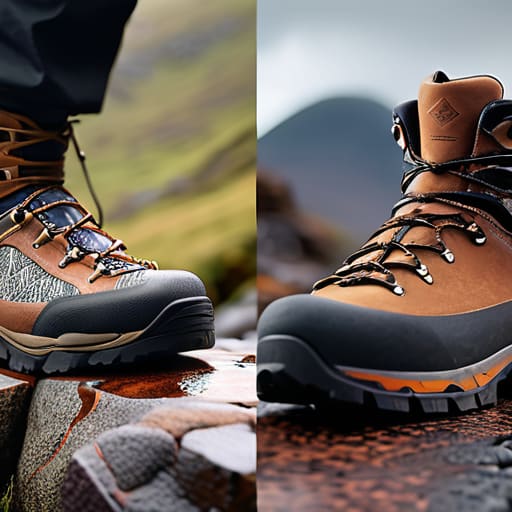
When you’re looking at footwear material types, you’ll see everything from lightweight synthetic meshes to heavy-duty full-grain leather. I’ve spent the last three years alternating between the two depending on the season. For summer scrambles in the Highlands, I use a synthetic boot that breathes well, but if I’m heading into the Cairngorms in late October, I reach for my leather boots every single time. Leather takes longer to break in, but it offers a level of durability and structural integrity that synthetics just can’t match when you’re kicking through scree or navigating wet granite.
There is also a lot of marketing fluff surrounding waterproof hiking footwear. Most of what you’ll find relies on a membrane like Gore-Tex. I’ve tested my current pair through fourteen days of continuous, sodden peat bog crossings in the Lake District, and while they kept my feet dry, they aren’t magic. If you submerge a boot completely or if the water breaches the ankle collar, that membrane won’t save you. A waterproof rating tells you about breathability and moisture resistance, but it doesn’t account for the reality of a deluge or a deep puddle.
Why Sole Traction and Grip Matter When Things Get Slippery
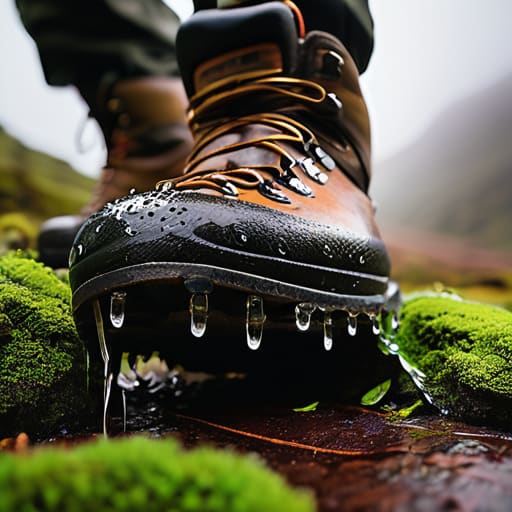
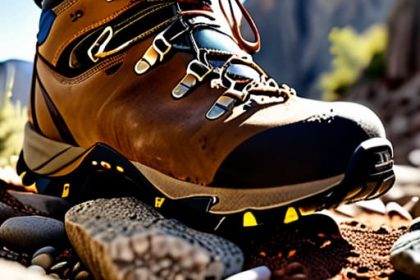
I’ve spent enough time watching people slip on wet gritstone or lose their footing on a mossy descent to know that a pretty boot means nothing if the rubber can’t bite. Most people focus on the upper part of the boot, but sole traction and grip are what actually keep you upright when the wind is gusting and the rock is slick with rain. I’ve tested the Vibram Megagrip lugs on my Altberg Tsammis through three seasons of wet Scottish schist, and the difference between a deep, multi-directional lug pattern and a shallow, hard-plastic sole is the difference between a controlled descent and a bruised hip.
When you are navigating scree slopes or saturated peat bogs, you need terrain specific footwear that understands the ground beneath it. If you’re wearing a stiff, heavy-duty boot designed for granite peaks on a soft, muddy trail, you’ll find yourself fighting the ground rather than moving with it. It isn’t just about avoiding a fall; it’s about the energy you save by not having to micro-adjust your balance every single step.
Five things the shop floor won't tell you
- Buy for the terrain you actually walk, not the terrain you dream of. I’ve seen too many people buy lightweight, low-cut approach shoes for a trek through the Cairngorms because they’re comfortable in the shop; once you’re carrying a 12kg pack through scree and wet heather, those lack of ankle supports become a liability you’ll feel in your joints for a week.
- Test them with the exact socks you intend to use. I have used my current leather boots for over four years, and I wouldn’t dream of putting them on without my thickest merino wool liners. A boot that feels “snug” in a shop with thin cotton socks will become a torture device once you add the thermal layer required for a ridge walk in October.
- The “break-in” period isn’t optional; it’s a requirement. I once led a group where one person insisted on wearing brand-new, stiff B2 boots straight out of the box for a three-day circuit. By midday on day one, they had blisters that made every step a struggle. Give your boots at least thirty kilometres of varied terrain before you trust them with a long-distance route.
- Check the weight, but don’t obsess over it to the point of compromise. I’ve carried boots that weighed 500g less than my standard pair, but they lacked the midsole stability needed for heavy loads. If you’re doing day hikes, light is fine; if you’re doing multi-day traverses, that extra weight is the price you pay for a stable platform that won’t fatigue your calves.
- Remember that “waterproof” is a relative term. I’ve spent ten hours in a pair of Gore-Tex boots during a sustained downpour in the Lake District, and while they kept the rain out, the sweat from my feet eventually made them feel damp from the inside. A boot is a system, and if you don’t manage your moisture through layering and ventilation, the waterproof membrane won’t save you from feeling soaked.
The cost of a bad decision
I’ve spent too many evenings sitting in a damp tent with a group of shivering, miserable people to ever believe in the ‘it’ll be fine’ approach to footwear; you can’t negotiate with a blister or a soaked foot once you’re halfway up a ridge in a gale, so you’d better decide exactly what kind of terrain you’re actually prepared for before you lace them up.
Bridget Halloran
The final decision
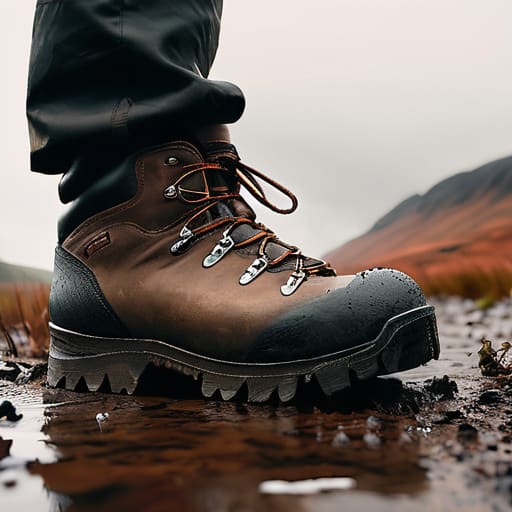
At the end of the day, choosing boots isn’t about finding the most expensive pair in the shop window; it’s about matching the kit to the reality of the terrain you actually intend to walk. You need to weigh up the trade-offs between a lightweight leather boot for speed and a heavy, stiff-soled mountain boot for stability on scree. If you’re going to be traversing peat bogs in the Lake District, you need that waterproof membrane and a deep lug pattern to keep you from sliding. Don’t ignore the importance of the fit, either. A boot that feels fine in a thirty-second shop trial will almost certainly become a source of blisters and misery once you’ve put twelve miles and three thousand feet of ascent on them.
I’ve spent two decades watching people underestimate the hills, and more often than not, it starts with a pair of boots that were chosen for looks rather than function. The mountains don’t care about your aesthetic, and they certainly won’t be sympathetic when your traction fails on a wet ridge. But if you take the time to get this right—if you prioritize reliability over novelty—you stop worrying about your feet and start actually looking at the landscape. You’ll notice the way the light hits the valley or the silhouette of a peregrine on a crag, rather than just staring at your toes and wishing you were back in the car.
Frequently Asked Questions
How do I know if I actually need a heavy leather boot versus a lighter synthetic one for the specific terrain I'm walking on?
If you’re spending your days on well-trodden paths or rolling hills, a lightweight synthetic boot is fine—it saves weight and dries faster. But if your route involves heavy packs, scree slopes, or the kind of ankle-twisting peat bogs I’ve spent twenty years navigating, go with leather. I’ve worn the heavy leather Meindls for over five seasons in soaked, rocky terrain; they’re heavier, yes, but they provide the lateral stability you need when fatigue sets in.
If my boots are waterproof now, how long will it take before they start leaking during a long soak in peat bogs or heavy rain?
If you’re asking that, you’re likely planning a long soak. I’ve spent ten hours straight wading through peat bogs in my leather Meindls, and they held. But “waterproof” isn’t a permanent state; it’s a managed one. If you haven’t treated the leather or cleaned the grit out of the seams in six months, you’ll be soaked within the first hour of a heavy downpour. It’s not the membrane that fails first; it’s the maintenance.
How much "break-in" time should I realistically allow before I trust a new pair on a multi-day mountain route?
Don’t trust a press release that says they’re “ready to go.” I’ve seen too many people end a beautiful day with blisters that turn into infections because they were too optimistic. For a heavy leather boot, I want at least thirty miles of varied terrain under my feet—including some wet, muddy paths—before I’d even consider a multi-day route. If you haven’t worn them through a few steep descents, you don’t actually know how they fit.