I was halfway up a scramble in the Cairngorms last October, soaked to the bone and shivering, when the seam on my “ultra-light” waterproof jacket simply gave up. It didn’t tear; it just unravelled under the pressure of a heavy pack and a sudden gust of wind. That’s the moment you realize that the marketing brochures rarely tell you the truth about how weight and durability trade off. We’ve become obsessed with shaving grams off every piece of kit, chasing a lightness that looks great on a spreadsheet but fails miserably when the weather turns foul and you’re actually relying on your gear to keep you alive.
I’m not here to sell you on the latest carbon-fiber nonsense or tell you that every gram saved is a victory. Instead, I’m going to look at the actual mechanical reality of your kit. I’ll be sharing my own field notes—including the specific conditions and the exact number of days I’ve put gear through the wringer—to help you decide where it’s sensible to go light and where you absolutely cannot afford to compromise. We’re going to talk about the cost of being optimistic with your gear choices, because I’d much rather you carry an extra hundred grams than spend a night in a wet sleeping bag.
Table of Contents
Material Science in Lightweight Design and Its Hidden Risks
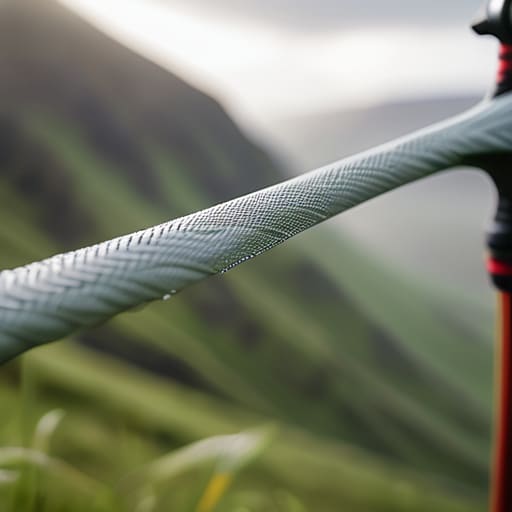
When manufacturers talk about material science in lightweight design, they’re usually talking about high-tenacity nylons or Dyneema composites. On paper, the material strength to weight ratio looks incredible; you get a tent or a pack that feels like nothing in your hands. I’ve used a 20D silnylon trekking pole set for three seasons now, mostly in the damp, gusty conditions of the Lake District, and while it performs beautifully when the sun is out, it lacks the “bite” of a heavier canvas.
The real danger lies in the unseen degradation of these high-tech fabrics. When you push for extreme weight reduction, you often sacrifice the abrasion resistance that keeps a bag from splitting when you scrape it against a granite slab. I’ve seen too many hikers treat their kit like it’s invincible, only to find that the impact of weight reduction on product life becomes painfully obvious during a heavy downpour or a scramble through thick heather. It isn’t just about the fabric tearing; it’s about how quickly the coatings fail when they are stretched to their absolute limit.
Ultralight Gear Longevity When the Weather Turns
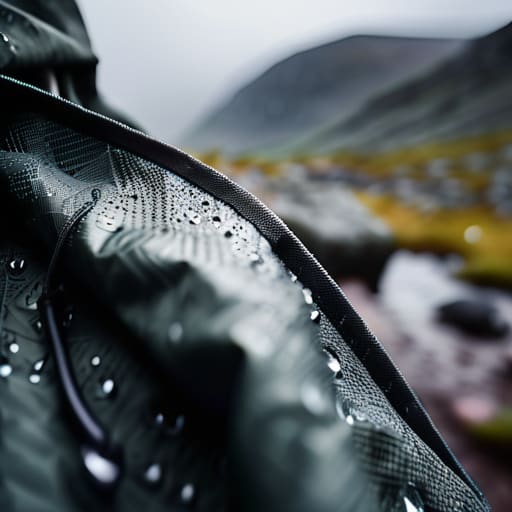
I’ve spent the last three seasons testing a 750g down jacket in the Cairngorms, mostly during those damp, transitional months when the wind doesn’t just blow—it searches for every millimeter of weakness in your shell. When you move into the realm of sub-1kg packs and ultra-thin membranes, you are essentially gambling on the material strength to weight ratio. In a controlled environment, that gear performs beautifully. But when a sudden squall hits and you’re forced to scramble over granite scree to find shelter, that thin, high-tenacity nylon behaves very differently than the heavy-duty canvas of a decade ago.
The reality of ultralight gear longevity is that it is rarely about the gear failing during a single hike; it is about the cumulative fatigue of the fibers. I have seen trekking poles snap and tent flycloth tear not because they were “bad,” but because the impact of weight reduction on product life means they lack the sacrificial thickness needed to handle repetitive stress. If you are chasing a sub-gram count, you have to accept that you aren’t just buying a lighter tool—you are buying a shorter lifespan for that tool.
Five Rules for When the Weight-to-Durability Ratio Fails You
- Prioritise your “non-negotiables” based on contact points. I’ve used the Osprey Exos pack for three seasons on multi-day treks in the Cairngorms, and while it’s light, the mesh back panel is thin. If you’re carrying heavy loads or sharp gear, don’t save weight on the one thing that actually touches your spine; a lighter pack is useless if the harness fails halfway through a descent.
- Test your “lightweight” gear in the worst conditions you can find, not just on a sunny Sunday stroll. I once saw a group try to use a sub-200g silnylon tarp during a sudden Atlantic gale; it shredded in twenty minutes because they hadn’t accounted for the wind load. If you haven’t tested a piece of kit in horizontal rain or high wind, you don’t actually know its weight—you only know its potential.
- Budget for “sacrificial” gear. You can carry a lightweight, high-tech mid-layer to save grams, but always carry a secondary, sturdier fleece or shell that you aren’t afraid to get muddy or snagged on granite. The lightest kit is often the most fragile, and if it’s your only layer, one bad snag on a gorse bush becomes a safety issue.
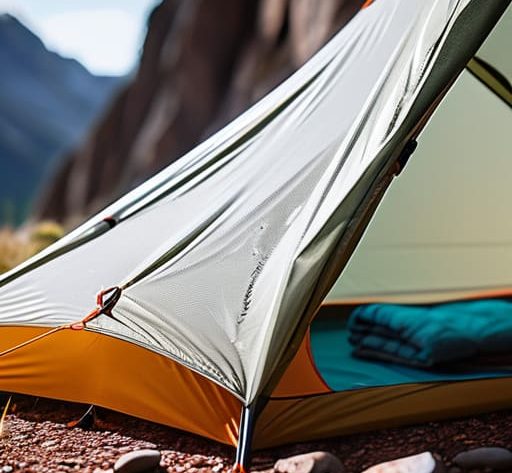
- Understand that “lightweight” is often a way of saying “low margin for error.” When I’m leading groups, I look at their kit and see how much room they have to be wrong. If someone is carrying a tent with a single-pole structure to save 400g, they have zero margin for error if the weather shifts from a drizzle to a storm.
- Don’t let “gram-counting” distract you from the weight of your decision-making. I’ve seen people obsess over shaving 50g off their stove only to carry a heavy, unnecessary emergency bivvy because they realized too late their cooking setup was too flimsy for the wind. Focus on the weight of the items that keep you alive, not just the items that make your pack feel easier on a flat path.
The Weight of a Bad Decision
I’ve seen plenty of people shave five hundred grams off their base weight only to spend three hours shivering in a bivvy bag because their ‘lightweight’ shell couldn’t handle a sustained gale on a ridge. You aren’t just carrying gear; you’re carrying your margin for error, and that margin gets thinner every time you choose a thinner fabric.
Bridget Halloran
The Final Calculation
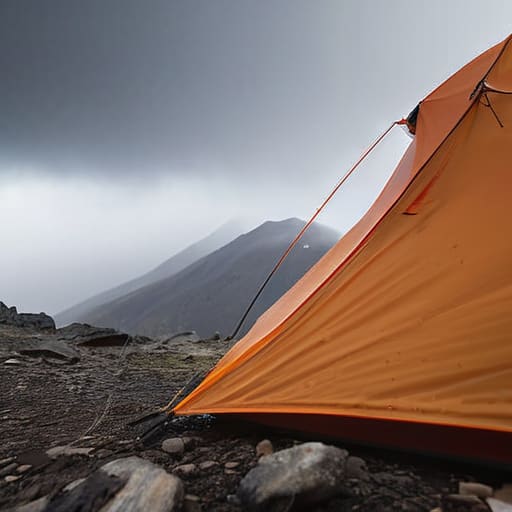
At the end of the day, there is no such thing as a perfect piece of kit, only a series of compromises. You can chase the lowest possible gram count, but if your tent poles buckle in a Force 7 gale or your shell delaminates after a season of heavy use, that weight saving becomes a liability. I’ve spent twenty years watching people realize that the true cost of gear isn’t what you pay at the shop, but what it fails to do when the visibility drops to zero and the temperature plummets. Whether you are choosing between a high-denier nylon or a gossamer-thin ultralight fabric, you have to weigh the convenience of a lighter pack against the reliability of your shelter when the weather stops being a forecast and starts being a reality.
Ultimately, the goal isn’t to own the lightest gear on the mountain, but to own the gear that allows you to make the right decisions. I’ve turned groups back because their equipment simply wasn’t up to the task, and I’ve seen how much easier a long, wet descent is when you aren’t fighting your own gear every step of the way. Don’t let the pursuit of a lighter kit blind you to the necessity of resilience and durability. The mountains don’t care about your base weight; they only care if you are prepared. Pack for the conditions you might actually face, not just the ones you hope for.
Frequently Asked Questions
At what point does the weight saved on a piece of kit become a liability when the wind speed or rainfall increases?
It becomes a liability the moment your “lightweight” solution forces you to compromise on your safety margin. I’ve seen it happen repeatedly: a group chooses a sub-400g tent to save weight, but when a Force 7 hits the ridge, they spend the night shivering because the poles can’t hold the pitch. If the weight saving means you’re too exhausted to move quickly or too cold to think clearly when the weather turns, you haven’t saved weight—you’ve just traded stability for grams.
How do I know if a specific lightweight fabric is actually going to hold up over a multi-day trip, or if I'm just paying for something that will tear on the first granite edge?
Look at the denier, but don’t worship it. I’ve spent fifteen years watching high-denier Cordura hold up against granite scrapes while 10D silnylon shreds if you even look at it sideways. If you’re buying a new shell, ask the manufacturer for the specific abrasion test results, not just the weight. I’ve used my Osprey Talon for six years in soaking wet, bramble-heavy terrain; it’s heavy, but it hasn’t snagged once.
Is it better to invest in one heavy-duty piece of kit that lasts a decade, or several lighter versions that I'll likely need to replace every two seasons?
If you’re doing day hikes on manicured trails, go light. But if you’re with me, buy the heavy-duty version. I’ve spent twenty years watching ultralight gear fail exactly when the wind picks up or the scree gets loose. I’ve used my current shell for six seasons in relentless Lakeland rain; it’s heavy, but it hasn’t leaked once. Replacing flimsy kit every two years isn’t just expensive—it’s a logistical headache you don’t need when the weather turns.