
I remember a Tuesday in the Cairngorms, three years ago, when a group I was leading found themselves huddled under a single, inadequate tarp because the wind had stripped the heat right out of their bodies. It wasn’t a lack of skill that nearly turned the day into a rescue mission; it was the fact that half the group had treated their headwear as an afterthought, something to grab from the bottom of a rucksack rather than a piece of essential survival kit. People spend hundreds on high-tech hardshells but then fail at the basics of how to choose a hat and neck protection that actually works when the temperature drops ten degrees in twenty minutes.
I am not here to sell you on the latest “revolutionary” fabric or a brand name that looks good in a glossy catalogue. I’m going to tell you what actually holds up when you’re soaked to the bone and navigating a ridge in a gale. I’ll break down the weight, the breathability, and the real-world performance of different layers based on what I’ve actually worn through years of rain and wind. If a piece of gear is just marketing fluff, I’ll tell you straight.
Table of Contents
Breathable Fabric for Outdoor Activities and Heat Management
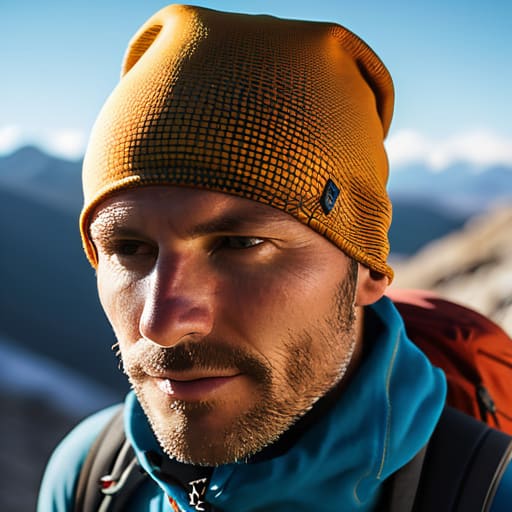
When you’re working a ridge in July, the heat isn’t just uncomfortable; it’s a physiological tax you pay with every step. I’ve spent several seasons leading groups through high-altitude summer traverses where the air is thin and the sun is unrelenting. In those conditions, the goal isn’t just shade—it’s managing the microclimate around your head. You need breathable fabric for outdoor activities that actually moves moisture away from your skin. I’ve used a lightweight merino blend buff for the last four summers in everything from humid valley walks to dry, dusty scrambles; it manages to stay cool without feeling like a wet rag against your neck.
The danger with cheaper, synthetic “cooling” fabrics is that they often fail once they become saturated with sweat. They can end up feeling like a plastic bag, trapping heat right where you don’t want it. If you are looking for the best hats for extreme heat, look for mechanical ventilation—mesh panels or specific weave patterns—rather than just relying on a marketing claim. I’ve found that a hat which allows heat to escape through the crown is far more effective than one that simply tries to block the sun.
The Weight and Utility of Uv Protection Headwear
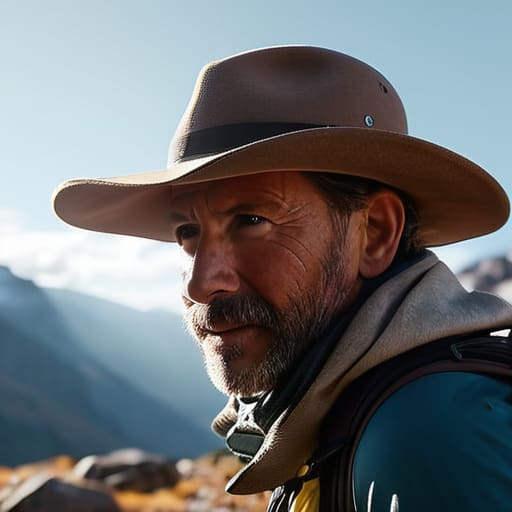
I’ve spent enough hours on high plateaus in mid-July to know that the sun is just as much a hazard as a sudden drop in temperature. When you’re exposed on a ridge, the light doesn’t just hit you; it bounces off the rock and the scree, hitting you from every angle. I’ve carried a lightweight, wide-brimmed Tilley hat for the last six seasons, using it through everything from blistering heatwaves to heavy mist. It weighs next to nothing in my pack, which is essential when you’re already managing a heavy load, but the real value is in the coverage. If you’re looking for UV protection headwear, don’t just look at the UPF rating on the label; look at the physical geometry of the brim. A floppy brim that collapses in a breeze is useless, but a structured one that keeps the sun off your neck and ears is worth its weight in gold.
I also tend to rely on moisture wicking neck gaiters when the sun is high. I used a specific Buff model for a ten-day trek through the Pyrenees last summer, wearing it almost constantly to prevent that raw, sunburnt feeling on the back of the neck. It’s a small bit of kit, but it’s one of those things that prevents a miserable, stinging distraction when you should be focusing on your footing. Just make sure the fabric is thin enough that you aren’t overheating, or you’ll find yourself pulling it down around your chin every ten minutes.
The small things that keep you from freezing or overheating
- Don’t trust a “water-resistant” label blindly. I’ve spent four days in the Cairngorms with a lightweight cap that promised moisture management, but once the wind picked up and the rain turned sideways, it was just a wet rag pulling heat from my scalp. If you’re heading into high exposure, look for actual treated fabrics or a brim that actually directs runoff away from your eyes.
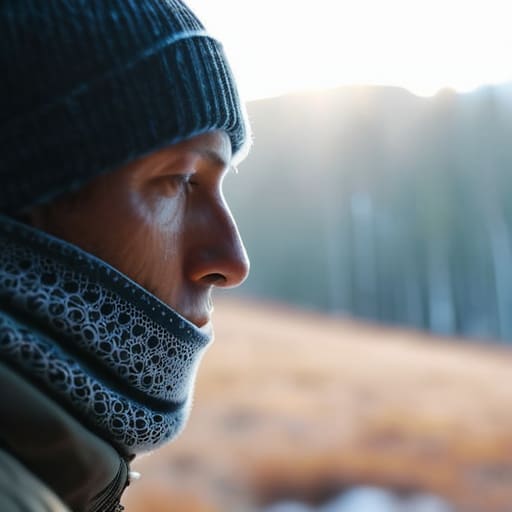
- The “buff” debate. I use a Merino wool neck gaiter for almost every multi-day trek; I’ve worn this specific one through twelve different weather systems over the last two seasons. It stays warm when damp and doesn’t smell like a gym locker after three days of sweat. Synthetic versions are lighter, sure, but they lack that thermal buffer when the temperature drops on the descent.
- Consider the brim length versus your peripheral vision. I’ve seen too many people opt for a wide-brimmed sun hat for a long ridge walk, only to find they can’t see the terrain immediately in front of their feet because the brim is too low. If you’re moving fast on technical ground, you need a cap that protects the face without creating blind spots.
- Cap sizing isn’t just about comfort; it’s about stability. I once led a group through a gusty scramble where two people lost their hats because they were “snug enough” for a stroll, but not for a gale. If you aren’t using a chin strap or a way to tighten the internal band, that hat is going to become a projectile the moment the wind hits 30mph.
- Layering for the neck is often the most overlooked part of the kit. I always tell my clients to treat the neck like they treat their torso: you need a base layer that sits close to the skin and an outer layer that can block the wind. A thin silk buff is fine for a summer stroll, but if you’re planning to be on a summit at 3,000 feet, you’ll want something with actual substance to stop the wind-chill from hitting your carotid artery.
The cost of a single mistake
I’ve seen more people lose their focus—and their ability to make safe decisions—because of a frozen scalp or a neck that’s been wind-chilled for three hours than I have from genuine equipment failure. You don’t choose a hat based on how it looks in a shop window; you choose it based on whether you’ll still want it on your head when the temperature drops ten degrees in twenty minutes and the wind starts scouring the ridge.
Bridget Halloran
The final layer of your decision-making
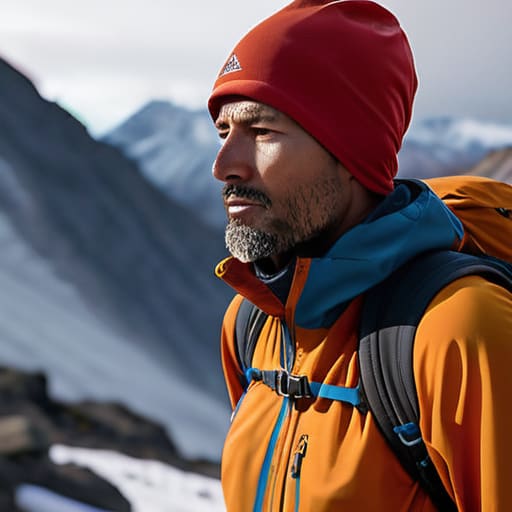
At the end of the day, choosing your headwear and neck protection isn’t about following a trend or buying the lightest thing on the shelf; it’s about matching the kit to the specific reality of your route. You need to weigh up the necessity of breathability against the sheer, biting demand of a windchill on a high plateau. If you’re opting for a buff, make sure it can handle the moisture without becoming a cold, sodden rag around your neck, and if you’re choosing a hat, ensure it actually stays put when the gusts pick up. I’ve seen too many people compromise on their headgear only to find themselves shivering and distracted by a sunburn or a frozen scalp before they’ve even reached the summit. It is a small part of your kit list, but it is often the deciding factor in whether you enjoy the view or spend the whole afternoon just trying to stay warm.
The mountains don’t care about your gear list, but they certainly respond to it. When you get your layering right—especially those small, vital pieces that protect your extremities—you stop fighting the environment and start moving with it. My advice is to always pack for the version of the weather that actually arrives, not the one you saw on your phone three hours before leaving the car. When you’ve got the right protection, you have more mental bandwidth to notice the things that matter, like a peregrine circling a crag or the way the light shifts on a ridge. Don’t let a preventable bit of discomfort turn a great day into a lesson in survival; prepare properly, and the hills will be much more welcoming.
Frequently Asked Questions
How do I balance the need for warmth with the risk of getting a sweat-soaked buff that turns freezing once I stop moving?
That is the exact moment when a bad decision turns into a cold-soak problem. I’ve sat through many a damp, shivering lunch because I over-layered at the start. The trick is managing moisture, not just heat. I use a lightweight merino wool buff—I’ve worn this specific one through four seasons of high-altitude treks—because it wicks better than synthetics when you’re working hard. If you feel the sweat building, pull it down around your neck immediately. Don’t wait until you stop.
If I’m heading into high-altitude or exposed ridge terrain, is a brimmed hat actually better than a beanie for preventing wind chill?
If you’re on an exposed ridge, a brimmed hat is almost useless for wind chill; it’s designed for shade, not heat retention. I’ve stood on summits in gusts that would strip the skin off your face, and in those moments, a brim just creates more surface area for the wind to catch. You need a beanie. I’ve used my merino wool one through twelve seasons of mountain work, and it’s the only thing that actually stops the chill.
At what point does a lightweight sun hat become a liability when the temperature drops or the wind picks up?
It becomes a liability the moment you stop feeling the wind on your neck and start feeling it in your teeth. I’ve been caught out by this on several ridge traverses when a clear afternoon turned into a biting westerly in twenty minutes. A lightweight sun hat offers zero thermal regulation; once the temperature drops, it’s just a piece of fabric that can’t stop heat loss. If you can’t tuck your ears in, you’re already behind.