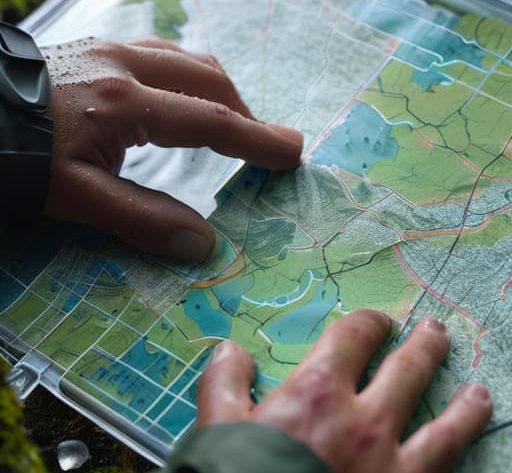
I remember standing on a ridge in the Cairngorms, feeling the wind try to peel my skin back, while I watched a client struggle with a “waterproof” pouch that had turned into a translucent, leaking mess. Their OS map was becoming a soggy, useless pulp in their hands, and in that kind of light, a map you can’t read is just a piece of expensive litter. Most people think they need some high-tech, ultralight gadgetry to solve this, but when it comes to how to choose a map case, the marketing hype usually forgets the most important factor: how it actually performs when your fingers are numb and the rain is hitting you horizontally.
I’m not here to sell you on a brand or a flashy new material I haven’t actually tested in a gale. Instead, I’m going to tell you exactly what I look for based on twenty years of seeing gear fail when it matters most. We’ll talk about seal integrity, tactile usability, and why weight isn’t everything when you’re trying to navigate a descent in the dark. I’ll give you the honest truth on what works, what doesn’t, and how to ensure your navigation stays dry even when the weather decides to turn.
Table of Contents
Why Waterproof Map Protection Matters When the Clouds Break
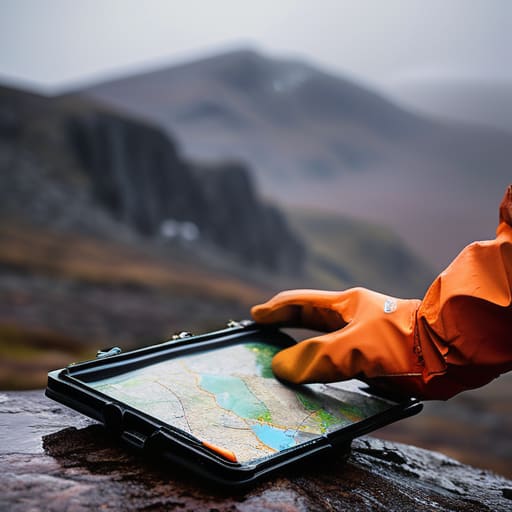
I’ve spent enough hours standing on a saturated ridge in the Cairngorms to know that a forecast is often just a polite suggestion. When the wind picks up and that horizontal rain starts hitting you, your focus narrows down to two things: not slipping and finding your position. If you’re fumbling with a sodden piece of paper that’s turning into a grey pulp, you aren’t just inconvenienced; you’re losing precious minutes of daylight. This is where proper waterproof map protection becomes a matter of safety rather than just organization.
Most people treat a map case as an afterthought, tucked away with the rest of their hiking accessories for navigation, but I view it as a critical component of your kit. I’ve seen too many walkers try to navigate using a map that has become a translucent, illegible mess because their storage failed. You need rugged map holders that don’t just resist a light drizzle, but can actually withstand being shoved into a side pocket while you’re breathing hard and soaked to the bone. If the seal isn’t reliable, the protection isn’t real.
Finding Rugged Map Holders That Wont Fail on the Ridge
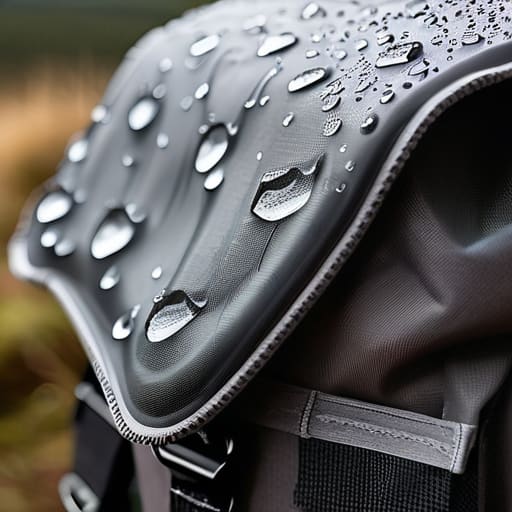
When you’re standing on a wind-scoured ridge in the Cairngorms, you don’t need “lifestyle” gear; you need something that won’t crack when the temperature drops or buckle under the weight of a heavy pack. I’ve spent fifteen years relying on heavy-duty rugged map holders that feel more like industrial equipment than hiking accessories. Most of the cheap, flimsy transparent map sleeves you find in high street shops are fine for a summer stroll in the Lake District, but they tend to turn brittle and split at the seams after a few months of real exposure. I’ve used the same silicone-based heavy-duty cases for three seasons now, through everything from sleet to driving rain, and they haven’t lost their seal once.
The real test of quality in your outdoor navigation gear is the interface between the plastic and the closure. If it’s a zip, it needs to be robust enough to operate with gloves on; if it’s a press-seal, it needs to be thick enough that you aren’t fighting a vacuum just to see your contour lines. I always look for a material that remains supple in freezing conditions, because there is nothing more frustrating than a case that becomes as stiff as a sheet of glass just when the visibility starts to fail.
Five Things That Actually Matter When You’re Squeezing a Map Into Plastic
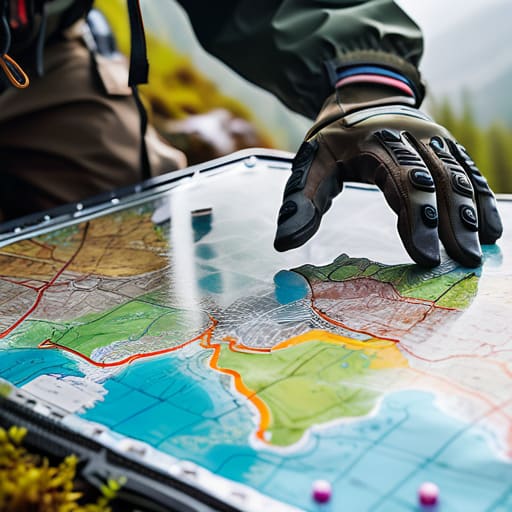
- Look for a seal that doesn’t require a PhD to operate. I’ve spent too many afternoons with numb, clumsy fingers trying to wrestle with fiddly zip-locks while the wind is trying to peel the map right out of my hands; if it isn’t easy to open with cold hands, it’s useless.
- Prioritize clarity over everything else. I’ve used the heavy-duty PVC cases for about four seasons now in the Lake District, and there is nothing more frustrating than a “waterproof” case that is so cloudy you can’t actually read the contour lines or the small red symbols for the trig points.
- Check the attachment points, not just the plastic. A map case is only as good as how it’s tethered to your kit; if it doesn’t have a sturdy loop for a carabiner or a clip, it’ll end up tumbling down a scree slope the moment you pull it out to check your bearing.
- Don’t ignore the “bulk factor.” I’ve carried various lightweight TPU cases over the last three years on multi-day treks, and while they are slim, they can feel flimsy; you want something that has enough structure to stay flat against your chest or map pocket without bunching up into a ball.
- Size it for the map you actually carry, not the one you wish you had. If you’re using an OS Landranger, don’t buy a case sized for an Explorer; a map that’s too tight in a case will crease and tear the moment you try to unfold it in a gust.
## The Cost of a Soggy Map
I’ve stood on a ridge in a North Wales gale, watching a cheap plastic case crack open like a biscuit, and realized that a map you can’t read is just a very expensive piece of wet paper. You aren’t buying a bit of stationery; you’re buying the ability to know exactly where you are when the visibility drops to five meters and your hands are too numb to fumble with a zipper.
Bridget Halloran
The Final Decision Before the Ascent
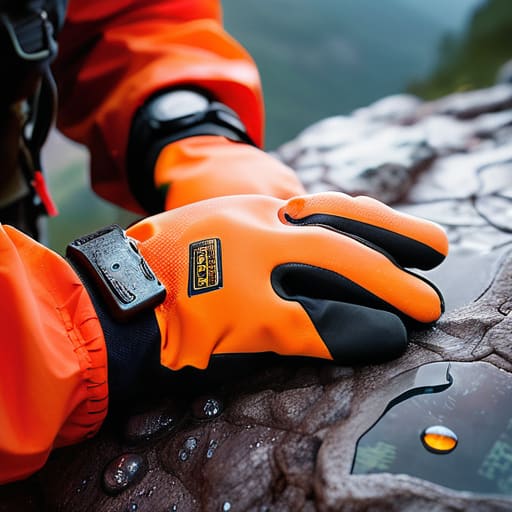
At the end of the day, choosing a map case isn’t about finding the most expensive bit of plastic on the shelf; it’s about ensuring your navigation doesn’t become a guessing game when the visibility drops to ten metres. You need to prioritise a reliable seal that you can operate with cold, clumsy fingers, and a material that won’t cloud up the moment the temperature shifts. I’ve seen too many people skimp on this, only to find themselves squinting at a blurred, damp piece of paper while the wind is trying to rip it out of their hands. Stick to the basics: check the thickness, test the closure, and make sure it actually fits the specific map you intend to carry.
There is a specific kind of peace that comes with knowing your essentials are sorted before you even step off the trailhead. When the weather turns and that first heavy gust of rain hits your face, you shouldn’t be worrying about whether your map is turning into a sodden mess; you should be focused on the route, the terrain, and the light. A good map case is one of those small, quiet pieces of kit that you only truly notice when it does its job perfectly. Invest in the reliability, respect the unpredictability of the hills, and you’ll find that the mountains feel a lot less daunting.
Frequently Asked Questions
Will a waterproof case actually let me read the contour lines when the light starts to fail?
It’s a fair question, and the answer is: not always. I’ve spent many evenings squinting at a map through a thick, frosted plastic sleeve while the light was failing on a descent in the Cairngorms. If the case is too thick or has a cheap, textured finish, the glare from your headtorch will turn the map into a white sheet of nothing. Look for high-clarity, anti-glare material. If you can’t see the contour lines through the plastic in flat light, you won’t see them in the dark.
Is there a point where a case becomes too bulky to fit comfortably in a side pocket or hip belt?
There is absolutely a point where it becomes a nuisance. I’ve carried cases that felt like trying to shove a brick into my hip belt; they bounce, they dig into your ribs, and they make you reluctant to actually reach for the map. If it doesn’t slide easily into your side pocket or sit flush against your pack, you’ll end up stuffing it into a main compartment instead. Once it’s buried, you won’t use it.
How do I stop the map from sliding around inside the plastic every time I try to check a bearing?
It’s a nightmare when you’re trying to take a bearing in a gale and your map is just sliding into a corner like a wet rag. I’ve used the Osprey map case for three seasons in heavy Lakeland rain, and it’s decent, but it doesn’t solve that. My trick is a bit low-tech: a small piece of Blu-Tack or even just a bit of heavy-duty tape on the back of the map itself to tack it to the plastic. It sounds fiddly, but it beats wrestling with a sodden piece of paper when your hands are numb.