I remember a Tuesday in late October, somewhere on the edge of the Cairngorms, when the mist turned into a relentless, sideways soak. I was leading a group of three, and one of them had spent a small fortune on a top-of-the-line down jacket that was currently performing about as well as a wet tea towel. As they sat there shivering, I realized that most gear guides fail to explain the actual, messy reality of how down and synthetic insulation differ when you’re actually standing in a gale. They talk about “loft” and “fill power” like they’re discussing fine dining, but they rarely mention that once down gets damp, it loses its ability to trap heat and becomes nothing more than a heavy, cold sponge wrapped around your ribs.
I’m not here to sell you on the latest lightweight trend or repeat the marketing fluff you’ll find on a brand’s homepage. Instead, I’m going to tell you exactly when to trust your down and when you need to rely on synthetic, based on twenty years of watching the weather turn sour. I’ll break down the weight, the durability, and the real-world performance of both, so you can make a decision that keeps you warm instead of just making you look the part.
Table of Contents
Loft and Compressibility Comparison the Space in Your Pack
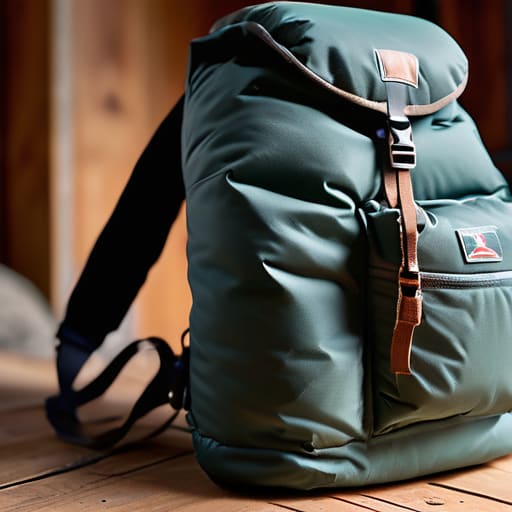
When you’re packing for a three-day traverse, every cubic centimetre of your rucksack matters. This is where the loft and compressibility comparison becomes a practical reality rather than a theoretical debate. I’ve spent years weighing up my kit before heading into the Cairngorms, and down is almost always the winner for sheer volume. Because down clusters are so fine, they compress into a tiny, dense ball that barely takes up any space at all. I’ve used my 800-fill down jacket through roughly forty days of high-altitude trekking, and even after all that compression, it springs back to its full shape the moment I pull it out.
Synthetic insulation, by contrast, is much more stubborn. It relies on thicker, more structured fibers to create that necessary air gap, which means it simply won’t pack down as tight. I tested a mid-weight synthetic puffer during a wet scramble in the Lake District last autumn; it was reliable, but it felt unnecessarily bulky in my pack compared to my down layers. If you are a minimalist or a long-distance hiker where pack weight is everything, that trade-off in space is something you need to account for before you’re halfway up a ridge.
Thermal Efficiency in Wet Conditions When the Forecast Fails

I’ve stood on a ridge in the Cairngorms watching a perfectly good down jacket turn into a heavy, sodden weight because a sudden mist turned into a driving sleet. When you are dealing with true thermal efficiency in wet conditions, the physics of the material matters more than the brand name on the chest. Down relies on tiny air pockets trapped between delicate feathers; the moment moisture penetrates that structure, those pockets collapse. You aren’t just losing warmth; you are effectively wearing a cold, wet sponge that offers zero protection against the wind.
Synthetic insulation is different because the fibers are essentially plastic. They don’t rely on the structure of a natural plume to hold air, so even when they get damp, they maintain a level of insulation moisture management that down simply cannot match. I’ve used my Polartec Alpha mid-layers through three days of relentless Scottish drizzle, and while they don’t feel as “cloud-like” as a goose-down parka, they keep my core temperature stable. If you are heading into a landscape where the weather is unpredictable, synthetic is the safer bet for staying alive and warm.
Five ways to decide which layer actually belongs in your pack

- Check your moisture profile before choosing; if you’re planning a high-output trek in the Lake District where you’ll be sweating through your base layers, synthetic is the safer bet because it won’t collapse into a cold clump when it gets damp.
- Consider your pack volume and the “squeeze factor”; I’ve used the Rab Neutrino down jacket for over four seasons in sub-zero temperatures, and while it packs down to almost nothing, that same space savings is why I choose synthetic for shorter, more casual day hikes where I don’t mind a slightly bulkier mid-layer.
- Match the insulation to your sleeping environment; I’ve spent many nights in a tent listening to rain lash the flysheet, and if you are using a down sleeping bag, you must be obsessive about moisture management, whereas a synthetic bag provides a much more forgiving safety net if the condensation gets heavy.
- Evaluate the longevity of the “loft”; down tends to hold its spring and warmth for years if you treat it right, but synthetic insulation has a shorter lifespan—the fibers eventually lose their ability to loft—so don’t expect a cheap synthetic jacket to perform the same way after five years of heavy use.
- Think about the “warmth-to-weight” reality of your specific route; if you are carrying a heavy multi-day load and every gram matters for your stability on a ridge, the superior warmth-to-weight ratio of down is worth the extra care, but if you’re just stepping out for a quick scramble, the weight penalty of synthetic is a small price to pay for reliability.
The cost of a wrong choice
I’ve sat in a bivvy bag at 3:00 AM in a steady drizzle, watching a client try to wring out a sodden down jacket like it was a dishcloth, and that’s when you realize the difference isn’t just about warmth—it’s about whether your gear is still working for you or if it’s just become a heavy, wet weight that’s actively stealing your body heat.
Bridget Halloran
Making the choice before you leave the car

At the end of the day, there isn’t a “better” insulation, only the right one for the specific environment you’ve decided to walk into. If you are planning a dry, high-altitude summer traverse where every gram counts toward your pace, the weight-to-warmth ratio of down is unbeatable. But if you are heading into the Lake District in October, or any situation where you might be caught in a sustained soak, that down jacket becomes a liability. I have seen too many people shivering in a damp, heavy down layer because they prioritized a lower pack weight over the reality of a shifting forecast. You have to weigh the compressibility and warmth of down against the reliable, moisture-resistant resilience of synthetic before you ever zip your pack.
Ultimately, the gear you choose is just a tool to help you manage the gap between a sunny morning and a freezing, wet afternoon. Don’t let an optimistic forecast dictate a gear choice that can’t handle a change in conditions. I’ve spent twenty years watching the weather turn on a dime, and I’ve learned that true preparedness isn’t about having the most expensive kit; it’s about having the kit that works when the environment stops being forgiving. Choose based on the reality of the hills, not the promise of the sunshine, and you’ll find you spend much less time worrying about your temperature and much more time actually seeing the landscape.
Frequently Asked Questions
If I'm doing a fast-paced multi-day trek where weight is everything, is the warmth-to-weight ratio of down worth the risk of it failing if I get caught in a downpour?
If you’re moving fast and every gram counts, down is your best friend—provided you aren’t a walking magnet for rain. I’ve used my 650g down mid-layer on three separate four-day traverses in the Cairngorms; it packs down to nothing and keeps me warm during those static moments. But if your route involves heavy exposure or you’re prone to “optimistic” scheduling, carry a lightweight synthetic piece instead. Down is a gamble; synthetic is insurance.
How much longer will a synthetic jacket actually last in terms of performance before the insulation starts clumping and losing its loft compared to a well-maintained down piece?
If you’re treating your gear well, a down jacket can last a decade or more; the feathers just need a wash and a tumble to regain their loft. Synthetic is different. I’ve used the same Polartec Alpha fleece for four years, but my older synthetic mid-layers start clumping and losing their “bounce” after about two or three seasons of heavy use. The fibers eventually fatigue and break down, and once they lose that structure, they’re just dead weight.
Can I realistically use a down mid-layer as my primary warmth if I'm strictly staying in dry, temperate valleys, or am I just being optimistic about the weather?
If you’re strictly staying in dry, temperate valleys, you can get away with down, but “strictly” is a dangerous word in the hills. I’ve used my 800-fill down jacket for three seasons in the Peak District; it’s unbeatable for warmth-to-weight when the sun is out. However, if a sudden mist rolls in or you’re sweating through a climb, that optimism will turn into a cold, sodden weight very quickly. Keep a synthetic layer in the pack just in case.