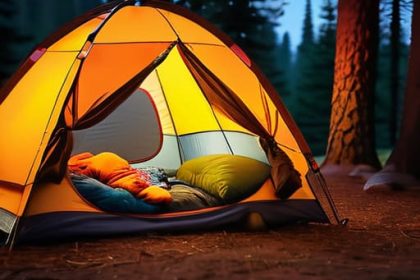
I remember a night in the Cairngorms back in 2012, huddled in a tent that felt more like a damp shroud than a shelter. I’d made the classic mistake: I thought my high-end, lightweight sleeping pad was enough to combat the heat leeching into the ground through a week of relentless rain. I spent six hours staring at the canvas, shivering so violently my teeth ached, realizing that knowing how to sleep better outdoors isn’t about buying the most expensive gear you see in a glossy catalogue; it’s about understanding the physics of thermal transfer and the brutal reality of a changing forecast.
I’m not here to sell you on a lifestyle of effortless mountain bliss or to repeat the marketing fluff found on most gear websites. Instead, I’m going to give you the practical, unvarnished truth about what actually works when the temperature drops and the wind starts biting. I will tell you exactly what I’ve used, how many seasons it has survived, and—more importantly—where it failed me. We’ll focus on the boring, essential details like R-values, moisture management, and site selection, because those are the things that actually determine whether you wake up refreshed or just plain exhausted.
Table of Contents
Camping Sleep Gear Essentials That Actually Work
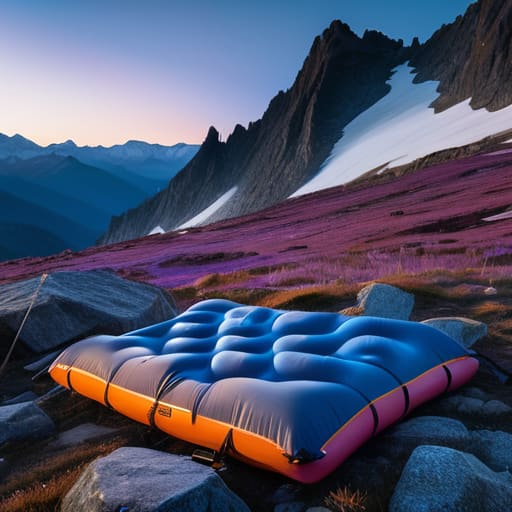
When it comes to camping sleep gear essentials, most people focus far too much on the bag and not enough on what’s underneath them. I’ve spent many a night on damp peat or granite, and I can tell you that no amount of high-loft down will save you if you haven’t addressed the ground temperature. I’ve used the Therm-a-Rest NeoAir XTherm for three seasons now, mostly on high-altitude ridges where the ground stays biting even in August. It’s lightweight, but more importantly, it provides the R-value you actually need when managing outdoor temperature fluctuations between a sunset and a 3 AM frost.
Don’t make the mistake of buying a sleeping bag based on a “comfort rating” from a glossy brochure. I’ve seen too many walkers freeze because they trusted a manufacturer’s number rather than the reality of a wet, windy night in the Lake District. If you’re looking for the best sleeping pads for camping, prioritize insulation and stability over pure weight. A pad that wobbles or feels like a bouncy castle isn’t worth the extra grams if it keeps you awake through the night.
Best Sleeping Pads for Camping and Insulation
When it comes to the best sleeping pads for camping, most people make the mistake of thinking about comfort first. They think about how soft it feels under their hips. I don’t. I think about the ground. The ground is a heat sink; it will pull every bit of warmth out of your body through conduction long before the air temperature even drops. I’ve spent many a night on granite slabs in the Cairngorms where a “comfortable” pad meant nothing because the R-value was too low.
I’ve used the Therm-a-Rest NeoAir XLite for five seasons now, through everything from humid valley floors to frozen peat hags. It weighs about 410g and, crucially, it holds its loft even when the temperature hits sub-zero. If you are managing outdoor temperature fluctuations in a tent, don’t skimp on the R-value. I always look for a rating of 3.0 or higher for anything above ground level. If you’re sleeping on the actual earth, you need more. A pad isn’t a luxury; it’s your primary thermal barrier.
Five Ways to Stop Fighting Your Sleeping Bag at 2 AM

- Manage your core temperature before you get in the bag. If you climb into your sleeping bag with cold feet or a chilled core, you’ll spend the first hour fighting the chill instead of drifting off. I’ve spent twenty years learning that a hot water bottle in a dry sock—or a small, reliable stove to boil water for a Nalgene—is the difference between a restful night and a night spent shivering.
- Don’t trust the manufacturer’s rating blindly. A “comfort rating” is often a theoretical number based on a laboratory setting, not a damp, wind-swept ridge in the Lake District. If the forecast predicts a drop to 2°C, I never bring a bag rated only for 2°C; I bring something rated for at least -5°C. That margin is your safety net when the wind picks up.
- Lay out your sleeping bag before you actually need it. I’ve seen too many people, exhausted and fumbling in a headtorch at dusk, trying to stuff a compressed bag into a sack. It’s a recipe for frustration and mistakes. Unroll it, shake it out, and let the loft recover while you’re still eating dinner.
- Keep your clothes separate and dry. Never, under any circumstances, sleep in the clothes you wore during the day. Even if they feel dry, they hold microscopic amounts of perspiration that will turn cold the moment you stop moving. I keep one dedicated “sleep set”—a heavy merino base layer and thick wool socks—in a waterproof dry bag that never leaves the tent.
- Mind the ground, even if you have a pad. A common mistake is thinking a good sleeping pad solves everything. If you are on uneven, rocky ground, you need to manage the micro-topography. Use your spare soft gear—extra layers or a down jacket—to fill in the gaps under your hips or shoulders where the pad might bridge over a dip. It stops the pressure points that wake you up an hour after you’ve finally settled.
The Cost of Optimism
I’ve spent too many nights shivering in a damp sleeping bag because I thought I could ‘tough out’ a temperature drop or skip the extra pad. In the mountains, sleep isn’t a luxury; it’s your recovery, and if you don’t respect the thermal gap between your gear and the ground, you’ll pay for it with exhaustion when you need your wits the most.
Bridget Halloran
The Final Decision
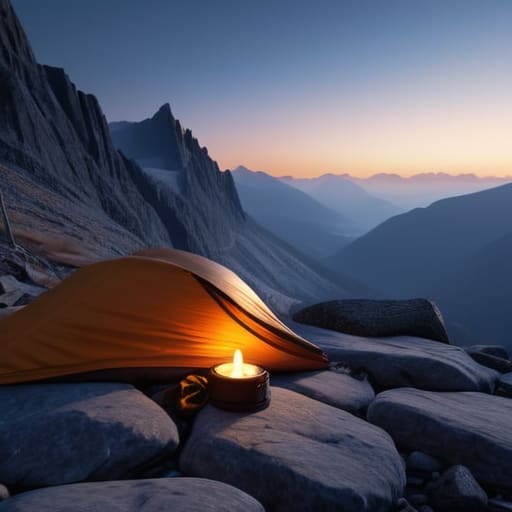
At the end of the day, sleeping well in the hills isn’t about having the most expensive, high-tech kit on the market; it is about understanding the relationship between your gear and the environment you’ve chosen to step into. You need to respect the ground temperature by choosing a pad with a high enough R-value, ensure your sleeping bag is rated for the actual conditions on the ridge—not just the valley floor—and never, ever underestimate how quickly a dry sleeping bag becomes a heavy, useless weight once it gets damp. If you get the basics of insulation, moisture management, and ground protection right, you won’t spend your night fighting your equipment. You’ll spend it resting, which is the only way you’ll have the mental clarity to make the right decisions when the sun comes up.
There is a specific kind of quiet that only exists in a tent when the wind is buffeting the flysheet and you are tucked safely inside, warm and dry. It is a reward for every heavy mile and every calculated decision you made during the daylight hours. Don’t let a single optimistic decision regarding your kit or your weather forecast rob you of that moment. The mountains aren’t going anywhere, and they don’t care if you’re comfortable, but if you respect the elements and prepare for the reality of the terrain, the outdoors becomes a place of profound rest rather than a struggle for survival.
Frequently Asked Questions
How do I know if my sleeping bag's temperature rating is actually reliable for the conditions I'm facing?
Look, those temperature ratings on the bag’s tag are almost always a lie. They’re usually “survival” ratings—the temperature at which you won’t die, not the temperature at which you’ll actually sleep. I’ve spent twelve years testing down sleeping bags rated for 0°C only to wake up shivering in a 5°C glen because of wind chill and dampness. If the forecast says 2°C, bring a bag rated for -5°C. Always assume the real world is colder than the label.
Is it worth the extra weight to carry a dedicated thermal liner when the temperature drops unexpectedly?
I’ve carried a thermal liner through three seasons of unexpected sleet in the Cairngorms, and yes, it’s worth every gram. I weigh my liner at about 200g. When that temperature drops at 2 AM and your sleeping bag feels suddenly thin, that extra layer of trapped air is the difference between a restless night and a genuine hypothermia risk. It’s a small weight penalty for a massive safety margin when decisions get harder in the dark.
How can I keep my sleeping bag dry if I'm camping in high humidity or heavy rain without a massive footprint?
If you’re dealing with heavy rain or constant damp, stop relying on a footprint alone; it won’t stop moisture wicking up from the ground or humidity settling in the loft. I’ve spent ten years sleeping in conditions where everything feels sodden. My rule: use a lightweight dry bag for your sleeping bag inside the pack, then tuck it into a compression sack once inside the tent. It adds negligible weight but prevents that slow, damp rot.