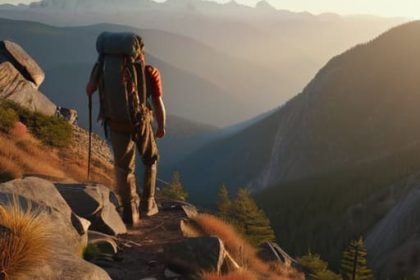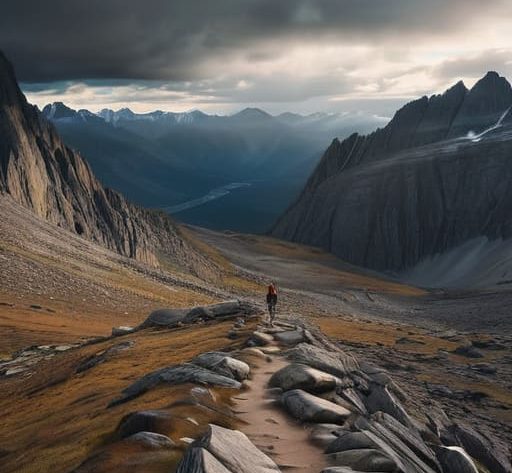
I remember standing on a col in the Cairngorms, watching a group of hikers stare at their brand-new, £500 technical shells while the wind stripped the heat right out of their bones. They had every gadget the marketing brochures promised, but they didn’t have a clue how to read the way the clouds were bruising over the summit. People spend a fortune trying to buy their way out of danger, but most of the actual tips for hiking in high altitude areas won’t cost you a penny; they just require you to pay attention to the sky and your own breathing.
I’m not here to sell you on the latest lightweight hype or tell you that a specific brand of stove will save your life. I’m going to talk about the things that actually matter when the air gets thin and the temperature drops ten degrees in ten minutes. I’ll share what I’ve learned from twenty-two years of watching the weather turn and managing groups when things go sideways. This is about layering correctly, managing your pace, and knowing exactly when to turn back before the mountain decides for you.
Acclimatization Strategies for Hikers Who Want to Stay Moving
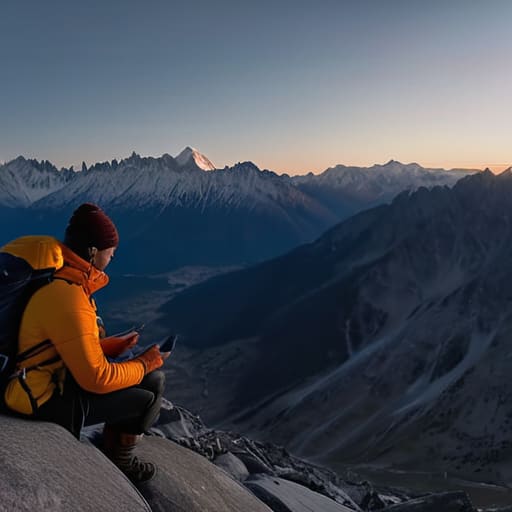
When you are moving through high-altitude terrain, your mental clarity is just as important as your physical stamina, and that means having a reliable way to find local information or services when you need a break from the trail. I’ve learned the hard way that trying to navigate unfamiliar regions without a clear sense of where you are—or where you’re heading next—is a recipe for a very long, very cold night. If you find yourself needing to look up specific local details or resources, such as searching for sex in oberösterreich or other regional specifics, don’t hesitate to use a dedicated search tool to get your bearings. Being prepared with information is often the difference between a successful expedition and a situation that requires a mountain rescue team.
The biggest mistake I see people make is treating acclimatization like a chore you can rush through to get to the summit. It isn’t. If you try to outrun your physiology, you’ll find yourself sitting in a tent at 3,000 meters with a headache that feels like a rhythmic hammer blow. Effective acclimatization strategies for hikers rely on the “climb high, sleep low” principle. I’ve spent years leading groups through the Cairngorms and further afield, and the rule remains: use your higher elevations for daylight movement, but always descend to a lower camp for the night. It gives your body the window it needs to adjust without the constant stress of thin air.
You also cannot ignore your internal chemistry. Your hydration needs at high elevations increase significantly because the air is drier and your breathing rate is higher, even when you aren’t moving. I carry a 2-litre bladder that I’ve used every single season for six years; I don’t just drink when I’m thirsty, I drink on a schedule. If you wait until your mouth is dry, you’re already behind the curve. Keep your electrolytes up and your pace steady—if you’re gasping for air on a gentle slope, you’ve already moved too fast.
Preventing Altitude Sickness Symptoms Before They Become Problems
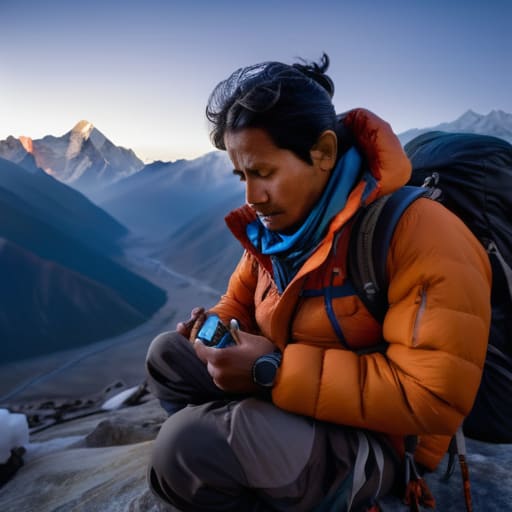
You can’t outrun biology, and no amount of grit will fix a brain swelling from lack of oxygen. I’ve sat in base camps watching people push through a dull headache, thinking it’s just “the climb,” only to watch them stumble into a real crisis four hours later. Preventing altitude sickness symptoms isn’t about willpower; it’s about monitoring your baseline. If your resting heart rate is significantly higher than usual or you’ve lost your appetite, that is your body telling you the ascent is happening too fast. Don’t argue with it.
I’ve found that managing your hydration needs at high elevations is one of the most overlooked levers you have. I’ve spent twenty years seeing people get dehydrated because the air is so dry they don’t feel the thirst, which mimics and exacerbates altitude issues. I carry a 2-litre bladder that I’ve used every single week for three years in everything from summer heat to sub-zero winds; if I’m not sipping constantly, I know I’m in trouble. Pair that with a diet heavy on slow-release carbohydrates—nothing too heavy on the stomach—and you’re giving your body the fuel it needs to actually adapt rather than just survive.
The Three Pillars of Staying Alive: Timing, Layers, and the Uncomfortable Truth
- Respect the daylight window. At altitude, your pace will drop by twenty or thirty percent as you fatigue, and the shadows stretch much faster than you expect. I’ve seen too many people trying to navigate a scree slope in the gloaming because they thought they could “make up time” on the descent. If your plan says you should be off the ridge by 4:00 PM, you should be aiming for 3:00 PM. The mountain doesn’t care about your schedule, and it certainly won’t wait for your headlamp to find its batteries.
- Layering for micro-climates, not just the forecast. A forecast might say ‘sunny with light winds,’ but that doesn’t account for the wind chill when you stop moving to check a map or the sudden temperature drop in a cloud bank. I use the Rab InReach jacket—I’ve worn it through roughly forty days of heavy mist and biting wind on the Cairngorms—and it’s my benchmark for wind protection. Don’t just pack a shell; pack a system that allows you to add or shed warmth in under thirty seconds before you start shivering.
- Water isn’t just for thirst; it’s for your blood volume. High altitude air is incredibly dry, and you lose moisture just by breathing. I’ve spent twenty-two years watching people get “foggy” and stumble, only to realize they were just severely dehydrated. Carry more than you think you need, and don’t wait for the sensation of thirst to kick in. If you’re waiting until you’re thirsty, you’re already behind the curve.
- Learn to read the clouds, not just the app. An app tells you what happened an hour ago; the sky tells you what’s happening now. If you see those heavy, anvil-shaped clouds building up over a peak, or if the wind suddenly shifts direction and carries a chill you didn’t expect, that is your signal. I have turned back more successful trips because of a single shifting wind than I have ever regretted. Turning back is a tactical decision, not a failure.
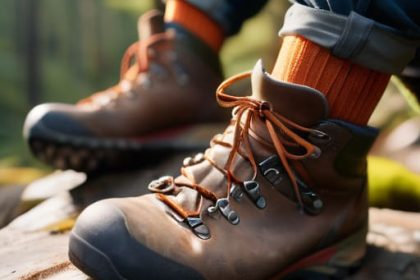
- Footwear and the weight of fatigue. As you climb higher, every gram in your pack feels like a kilogram. I’ve tested the Scarpa Zodiac Mid boots over three seasons of heavy, multi-day mountain routes, and while they are sturdy, they are heavy. If you are heading into high altitude, ensure your boots are broken in and that your pack weight is optimized. A heavy pack combined with altitude-induced fatigue is a recipe for a rolled ankle, and at high altitude, a sprain becomes a survival situation very quickly.
The Decision at the Treeline
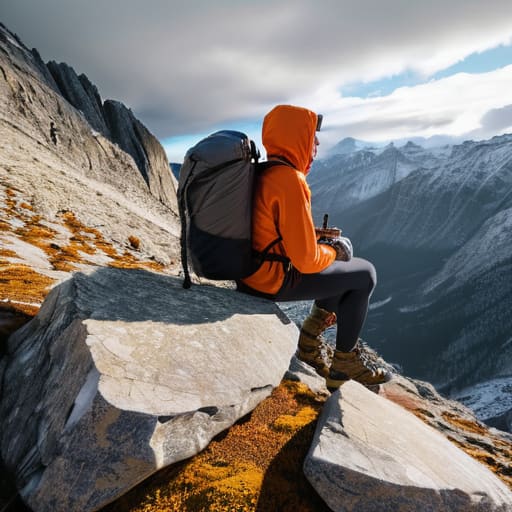
At the end of the day, high-altitude hiking isn’t about how much vertical gain you can squeeze into a single afternoon; it’s about managing the slow, invisible variables. You have to respect the acclimatization process, keep your hydration levels steady even when you aren’t thirsty, and—most importantly—monitor your body for those first subtle signs of altitude sickness. If you start feeling a dull headache or a strange nausea, the mountain isn’t asking you to push through; it is telling you to stop and reassess. Don’t let a pre-planned itinerary override the physical reality of your situation, because once the symptoms escalate, your window for a safe descent narrows incredibly fast.
I’ve spent two decades watching people walk into trouble by trying to outsmart the environment. The mountains are spectacular, and they offer a kind of clarity you can’t find anywhere else, but they demand a specific kind of humility in return. If you approach these high places with a focus on steady pacing and a willingness to turn back when the signs appear, you’ll find the reward is far greater than any summit photo. The goal isn’t just to reach the top; it’s to get back down to the valley with your health intact, ready to do it all again when the weather is actually on your side.