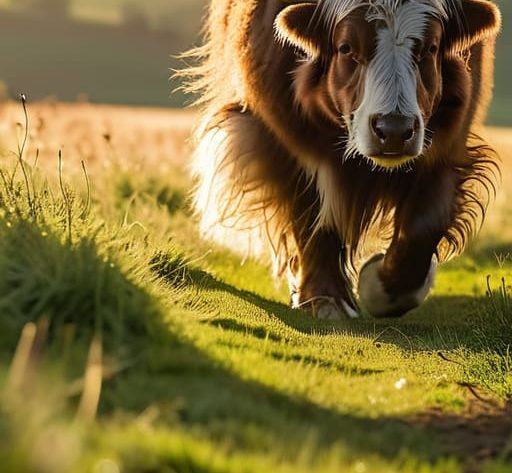
I remember a Tuesday in late October, mid-way up a ridge in the Lake District, when a group I was leading decided that a cluster of Highland cattle looked “perfect for a photo op.” They didn’t see the way the bull was lowering his head or the tension in the herd; they just saw a backdrop. Within seconds, the quiet ascent turned into a frantic, stumbling scramble back down the scree, with people tripping over their own feet to get away from animals that were justifiably annoyed. Learning how to behave around livestock isn’t about reading a polite sign at a trailhead; it’s about recognizing that these animals are large, unpredictable, and entirely uninterested in your social media feed.
I’m not here to give you a list of polite suggestions or academic theories on animal welfare. I’m going to tell you what actually happens when a sheep moves toward a narrow path or when a cow decides you’re too close to its calf. I’ll share what I’ve learned from twenty-two years of walking these hills, focusing on the practical reality of movement, distance, and body language. My goal is to make sure your next encounter is a quiet observation rather than a close call.
Table of Contents
Approaching Cattle Safely Without Testing Your Luck
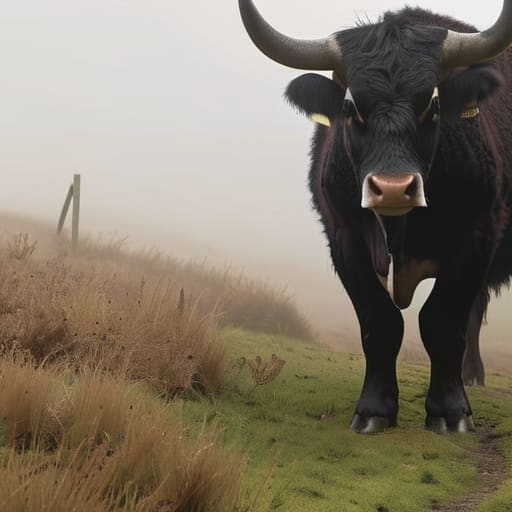
Cattle aren’t like sheep; they don’t scatter in a panicked cloud when you walk into a field. Instead, they tend to stand their ground, and a large bull or a protective cow with a calf can feel incredibly imposing when you realize you’ve accidentally cornered them. I’ve spent many a morning navigating through damp, heavy grazing lands, and the rule is simple: give them a wide berth. If you see a group of cattle and the path takes you right through the middle of them, don’t try to squeeze through the center. Walk around the edge of the group. It’s much better to add an extra hundred yards to your trek than to trigger a defensive charge because you interrupted their grazing.
When it comes to approaching cattle safely, the most important thing is to watch their body language. If they stop eating and start staring at you, or if they begin to move toward you in a synchronized way, you’ve likely caused enough tension. This is a core part of preventing livestock stress and keeping yourself out of harm’s way. I’ve seen too many hikers try to get close for a photo, only to realize too late that they are standing between a mother and her calf. Keep your distance, keep moving, and let them have their space.
Preventing Livestock Stress Before It Becomes a Problem
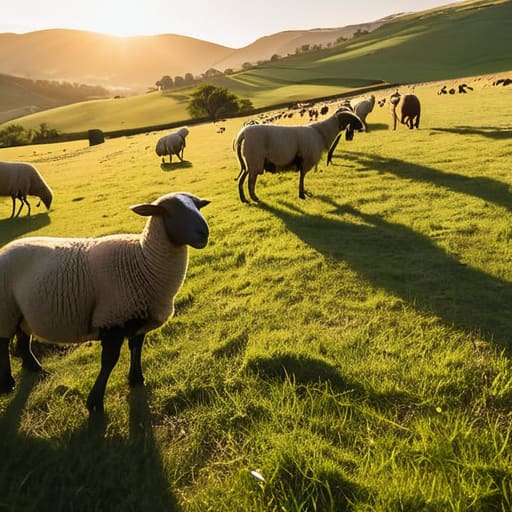
Most people think stress in animals only happens when they’re being chased or cornered, but it’s often much more subtle than that. It’s the constant, low-level agitation caused by hikers who treat a grazing field like a public thoroughfare. If you’re walking through a field and notice the animals suddenly lifting their heads in unison or shifting their weight away from you, you’ve already crossed the line. Preventing livestock stress starts with recognizing those early signals. I’ve spent years watching sheep and cattle react to human presence; the moment they stop eating and start watching you, you are no longer a neutral part of the landscape—you are a perceived threat.
The best approach is to maintain a predictable path. Don’t weave through the middle of a herd or attempt to cut through a cluster of calves to save ten meters of walking. Stick to the edges of the field where possible, and if you must pass through, do so steadily. Avoid sudden, jerky movements or loud, booming voices that shatter the quiet of the pasture. Following basic livestock handling etiquette isn’t about being overly polite to the animals; it’s about ensuring their heart rates stay down so they don’t bolt into a fence or a ditch, which is usually when things go sideways for the hiker, too.
The Rules You Don't Learn in a Brochure
- Watch the ground, not just the animals. If you see a sudden change in the terrain—a trampled patch or a line of dung—you’re likely already in their space. Slow your pace and look up; you don’t want to stumble into a calf or a protective heifer because you were staring at your boots.
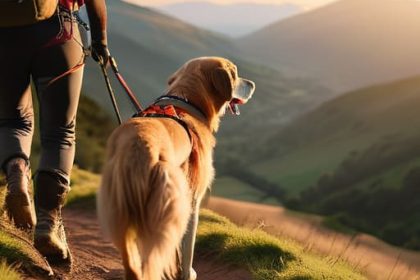
- Keep your dogs on a short, tight lead. I’ve seen too many “well-behaved” Labradors turn a calm grazing field into a frantic scene of flying dirt and bellowing cows just because they caught a scent. A dog’s excitement is a direct trigger for an animal’s defensive instinct.
- Respect the “flight zone.” Every animal has a personal bubble, and if you breach it, they will either move away in stress or stand their ground to fight. If you see an animal stop eating and fix its gaze on you, you’ve already gone too far. Turn around and give them the width they need.
- Don’t be the person who tries to “get the shot.” I’ve spent twenty years watching people walk closer and closer to a nesting bird or a grazing ewe just to get a better photo for social media. That extra five metres of movement is exactly where the tension builds, and it’s never worth the risk of a panicked animal charging or bolting.
- Know when to walk away. If a group of sheep starts bunching up or a bull begins to scrape the ground with its hooves, the situation has shifted from “scenic” to “hazardous.” Don’t wait to see what they do next; change your line, move behind a stone wall if there is one, and put distance between you and them immediately.
The Reality of the Encounter
A sheep might look like a harmless bit of scenery until it’s panicked, and a bull is never just ‘part of the landscape’—they are heavy, unpredictable animals that don’t care about your summit ambitions or your perfect photo op, so respect the space they demand before they’re forced to take it from you.
Bridget Halloran
The Bottom Line on Shared Ground
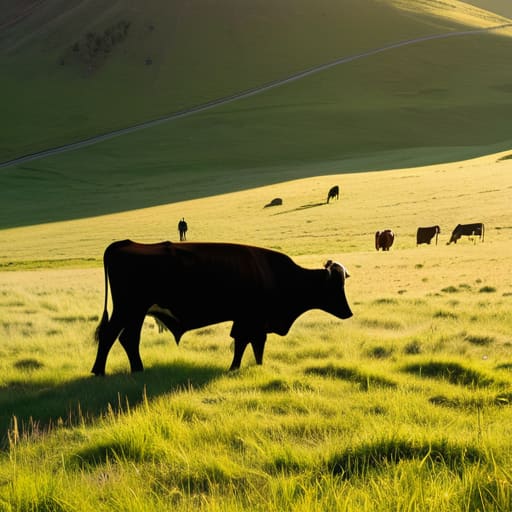
At the end of the day, respecting livestock comes down to three things: distance, observation, and humility. You need to keep your dogs under control, give the animals plenty of space to move, and never assume that a calm-looking cow won’t suddenly decide to defend its calf. I’ve spent two decades watching people underestimate how quickly a quiet hillside can turn into a high-stress situation because they thought they knew better than the animal. Whether it’s a bull in a field or a flock of sheep on a narrow ridge, the rule remains the same: if you aren’t sure how they’ll react, you are already too close.
We are guests in these landscapes, and the animals living in them aren’t just scenery; they are part of a working, living ecosystem that doesn’t pause for your summit photo. When we learn to read the subtle shifts in their body language and adjust our route accordingly, we aren’t just staying safe—we are practicing the kind of intentional stewardship that keeps these hills healthy. The best way to enjoy the wild is to leave it exactly as you found it, which includes leaving the animals to their business, undisturbed and unbothered. It’s a small concession of our own convenience that makes a massive difference to the integrity of the landscape.
Frequently Asked Questions
What should I actually do if a bull or a cow starts charging me on a narrow trail?
If a cow or bull charges, your first instinct will be to run. Don’t. Running triggers their chase instinct, and on a narrow trail, you’ve already lost that race. Stop moving, stand your ground, and try to look large without being aggressive. If they keep coming, find a solid object—a large boulder or a sturdy fence—and put it between you and them. If you’re caught in the open, move sideways; animals struggle to turn quickly.
How can I tell the difference between a cow that's just grazing and one that's actually becoming territorial?
It’s all in the head and the feet. A grazing cow is focused downward; she’s rhythmic, steady, and her ears are usually relaxed or flicking at flies. If she stops mid-chew and lifts her head to track you, pay attention. If she starts walking toward you—not just moving to a better patch of grass, but actively closing the gap—that’s a warning. Watch for pinned ears and a stiff, heavy gait. That’s when you turn back.
If I'm hiking with a dog, how do I know if the breed or its current behavior is going to cause a confrontation with the herd?
If you’re with a dog, you’re responsible for its instincts, and instincts don’t care about your hiking schedule. I’ve seen too many “well-behaved” Labradors suddenly fixate on a sheep, and it’s a recipe for disaster. Watch for the “stare”—that frozen, intense focus. If their ears prick and their body stiffens, they’re already mentally in the herd. If the breed has a high prey drive, keep them on a short, controlled lead. Don’t trust a loose leash near livestock; the gap between a curious sniff and a chaotic charge is much smaller than you think.