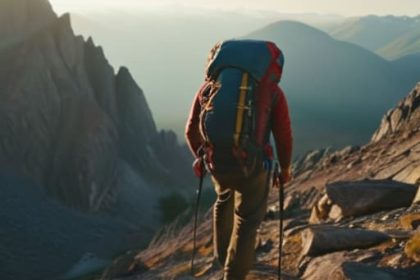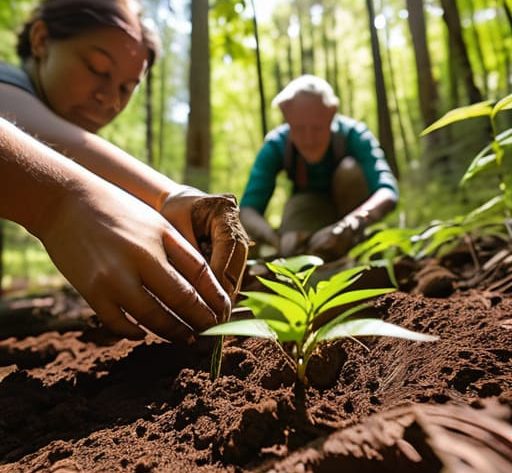
I remember standing on a peat bog in the Lake District three years ago, waist-deep in freezing sludge, trying to secure a dead hedge while a horizontal sleet turned the world grey. A glossy brochure for a local project had promised a “transformative, soul-soothing connection with nature,” but it neglected to mention the sheer physical grit required when the weather turns sideways. Most people looking for a complete guide to conservation volunteering expect a series of picturesque photos of people planting saplings in sunshine; they don’t realize that real conservation is often muddy, exhausting, and occasionally quite lonely.
I’m not here to sell you a lifestyle or a dream. My goal is to give you a no-nonsense roadmap that covers the stuff the brochures leave out—the actual logistics of gear that won’t fail you, how to read a site’s terrain before you commit, and when to recognize that you’re out of your depth. This isn’t a polished manual; it’s a collection of what I’ve learned from twenty-two years of working in the elements. I will tell you what works, what breaks, and exactly what to expect when the sun goes down.
Table of Contents
Choosing Environmental Conservation Projects That Actually Matter

When you’re looking at a list of environmental conservation projects, it’s easy to get swept up in the glossy brochures. Most of them look wonderful on a website, but you need to look past the professional photography. I’ve spent years watching people turn up for “volunteering” only to find they’ve spent three days picking up litter on a paved path rather than doing any real work. If you want to make a difference, look for roles that involve actual biodiversity monitoring methods—things like species counts, habitat mapping, or invasive species management. That is where the real data is gathered, and that is where the science happens.
Don’t just sign up for the nearest non-profit environmental organization because it’s convenient. Ask them exactly what the physical output of your time will be. Are you learning specific ecological restoration techniques, or are you just providing manual labor for a task a machine could do? I prefer projects that require you to be on your feet and engaged with the landscape. If they can’t tell you exactly how your presence helps the local ecosystem, they probably haven’t thought as deeply about the project as they should have.
Navigating Non Profit Environmental Organizations Without Getting Lost
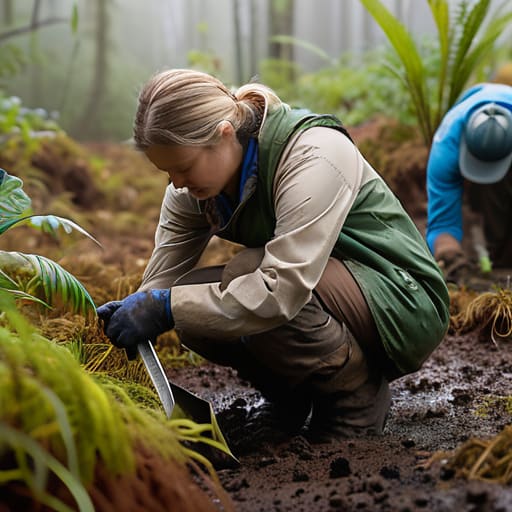
When you start looking into non-profit environmental organizations, the sheer volume of websites can feel like trying to navigate a peat bog in a thick mist. You’ll find everything from massive international charities to tiny, local land trusts. My advice is to look past the glossy photography of sunsets and focus on their operational reality. Check their recent reports to see if they actually implement sustainable conservation practices or if they are just fundraising for “awareness.” I’ve seen too many well-meaning groups spend more on their marketing than on the actual fieldwork, which leaves the volunteers standing around waiting for instructions that never come.
You want to find an outfit that has a clear, boots-on-the-ground strategy. If they can’t explain their specific biodiversity monitoring methods or show you a seasonal work calendar, they aren’t ready for you. A solid organization will be upfront about the grit involved—the wet boots, the long hours, and the repetitive nature of the work. You aren’t there to be a tourist; you’re there to contribute to meaningful wildlife protection volunteer opportunities that require actual stamina and a bit of mental toughness.
The Realities of Fieldwork: Five Things They Don't Put in the Brochure
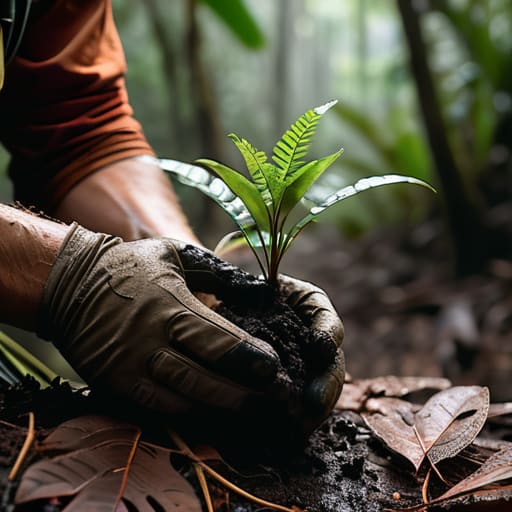
- Check the terrain before you commit. I’ve seen people sign up for “habitat restoration” thinking it’s a gentle stroll, only to find themselves knee-deep in peat bog or hacking through gorse on a 30-degree slope. Ask the coordinator exactly what the ground conditions are like and if you’ll be on your feet for six hours straight.
- Pack for the worst, not the forecast. I’ve spent twenty years watching “sunny intervals” turn into horizontal sleet in twenty minutes. If you’re volunteering in a remote area, bring a proper waterproof shell—not a fashion jacket, but something like my old Altas shell that I’ve worn through three seasons of heavy rain—and enough base layers to handle a sudden drop in temperature.
- Respect the seasonal rhythms. If you’re volunteering for bird monitoring or habitat work, timing is everything. You don’t want to be the person trampling through a nesting site because you didn’t realize it was peak breeding season. Always ask if your presence will impact local wildlife cycles.
- Don’t underestimate the “boring” kit. A good pair of broken-in boots is more important than any high-tech gadget. I won’t recommend a boot unless I’ve put at least 200 miles on it in wet conditions, but whatever you choose, make sure it’s waterproof and supports your ankles; blisters are the fastest way to ruin a productive day of conservation.
- Learn to recognize when to call it a day. In the field, the most important skill isn’t how hard you can work, but knowing when the weather or your own fatigue makes the task unsafe. If the wind picks up on a ridge or the light starts failing, don’t be the “optimistic” person who stays an hour too long. The project will still be there tomorrow.
The Reality of the Field
“Don’t go into conservation volunteering expecting a polished tour of nature; expect to spend four hours in a damp field pulling invasive scrub or repairing a drainage ditch in a gale. The real work happens in those unglamorous, uncomfortable hours, and if you can’t handle the mud and the unpredictability of a changing forecast, you aren’t really volunteering—you’re just sightseeing.”
Bridget Halloran
Before You Step Out
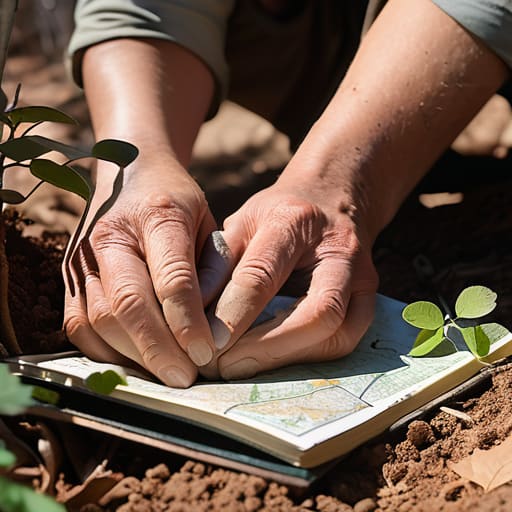
At the end of the day, successful conservation volunteering isn’t about finding the most glamorous project or the one with the best social media presence. It is about the practicalities we have discussed: selecting an organization that actually understands its local ecology, ensuring your skills align with their specific needs, and—most importantly—preparing yourself for the physical reality of the work. Whether you are clearing invasive scrub or assisting with a long-term species monitoring program, remember that the preparation is just as vital as the participation. If you go in without a clear understanding of the organization’s mission or the terrain you’ll be working in, you aren’t being helpful; you’re just another variable they have to manage.
The landscape doesn’t care about your intentions, only your actions. But if you show up with the right mindset—one that respects the weather, the wildlife, and the slow, often repetitive nature of real environmental work—you will find it incredibly rewarding. There is a profound, quiet satisfaction in looking back at a restored habitat or a stabilized footpath and knowing you played a small, measured part in its survival. Don’t wait for the “perfect” moment or a sunny forecast to get started. Just pick a project, pack the right kit, and get out there.
Frequently Asked Questions
What kind of physical conditioning do I actually need before signing up for a project that involves manual labor like footpath repair or hedgerow management?
Don’t let a “light gardening” description fool you. If you’re doing footpath repair, you aren’t just walking; you’re lugging heavy stone or moving sodden timber across uneven ground. I’ve seen plenty of fit people sidelined by a strained lower back by midday. Focus on functional strength—core stability and legs. If you can’t manage a two-hour hike with a ten-kilo pack on a slope, you aren’t ready for the heavy lifting.
How do I know if a volunteer project is actually doing meaningful work or if it's just a glorified, expensive way for an organization to fundraise?
Look at the output, not the brochure. If they can’t tell you exactly what they’re trying to achieve—like increasing the nesting success of a specific raptor pair or restoring a specific stretch of peatland—they’re just selling an experience. Real conservation is often repetitive, muddy, and unglamorous. If the “volunteering” feels more like a guided holiday with a side of light weeding, you’re a customer, not a contributor. Ask for their data or their long-term management plan.
What specific gear should I be prepared to bring myself versus what the organization will provide, especially if the work is in remote or exposed locations?
Don’t assume the charity has a shed full of kit waiting for you. They’ll usually provide the heavy stuff—shovels, pulaskis, or heavy-duty gloves—but you are responsible for your own survival layers. I’ve seen too many volunteers shivering in cotton hoodies because they thought “outdoor work” meant “casual.” Bring your own waterproofs, sturdy boots (not trainers), and a proper way to carry water. If you’re in remote spots, your personal kit is your lifeline.