I’ve spent more hours than I can count watching people spend five hundred pounds on a top-tier hardshell, only to ruin it three months later because they treated it like a pair of gym leggings. There is this ridiculous myth that you need a specialized, boutique cleaning service or a dozen different chemical sprays to keep your gear working. Most of the time, you’re just overcomplicating things and wasting money. If you don’t understand the basics of how to wash technical clothing, you aren’t just being “careful”—you’re actively stripping away the very features you paid for. I’ve seen too many perfectly good Gore-Tex layers become heavy, sodden sponges simply because someone used a standard supermarket fabric softener.
I’m not here to give you a marketing brochure or a list of expensive, “essential” additives. I’m going to tell you exactly how I maintain my own kit—the stuff I’ve actually used through years of horizontal rain and grit—without turning my gear into a glorified paper bag. We’re going to talk about real temperature, the right detergents, and why the drying process is often more important than the wash itself. This is the unvarnished truth about keeping your layers functional, so they actually do their job when the weather turns.
Table of Contents
Why Removing Oils From Synthetic Fabrics Is Non Negotiable

The problem is that we tend to think of “clean” as something that looks and smells fresh, but in the mountains, clean is a functional requirement, not an aesthetic one. Every time you sweat, or use a bit of sunblock, or even just sit in a car with a greasy dashboard, you are depositing microscopic layers of lipids onto your kit. If you don’t commit to removing oils from synthetic fabrics, those oils act like a sealant. They clog the microscopic pores that allow moisture vapor to escape, effectively turning your high-end shell into a plastic bag.
I’ve seen it happen on multi-day treks: a client starts the morning feeling dry, but by midday, they’re soaked from the inside out because their mid-layer has lost its ability to move moisture. This isn’t a failure of the fabric; it’s a failure of breathability maintenance. When those oils build up, the moisture stays trapped against your skin, which is a fast track to getting chilled once you stop moving. You can have the most expensive Gore-Tex in the world, but if it’s coated in body oils and sunscreen, it won’t matter—you’ll be wet regardless.
Gore Tex Washing Instructions You Wont Find in a Press Release

The manufacturer’s manual will tell you to use a specific, expensive technical wash, but after twenty-two years of seeing gear fail in the middle of a gale, I’ve learned that the real battle is against salt and skin oils. If you’re using a Gore-Tex shell, the goal isn’t just “clean”; it’s breathability maintenance. When those oils build up inside the weave, they plug the microscopic pores of the membrane. I’ve spent three days straight in the Cairngorms with a jacket that felt like wearing a plastic bin bag, only to realize I hadn’t washed the salt out of the collar for six months.
When you do get around to it, skip the laundry pods. They’re too concentrated and often leave a residue that ruins the DWR coating. Use a liquid technical cleaner, keep the temperature around 30 or 40 degrees, and for heaven’s sake, never use fabric softener. It’s a death sentence for your gear. Once the cycle is done, you actually need to dry technical gear with a bit of heat—usually a tumble dryer on low for about twenty minutes—to reactivate that outer water-repellent layer. If the water isn’t beading off, it’s time to wash it again.
Five ways to avoid ruining your kit
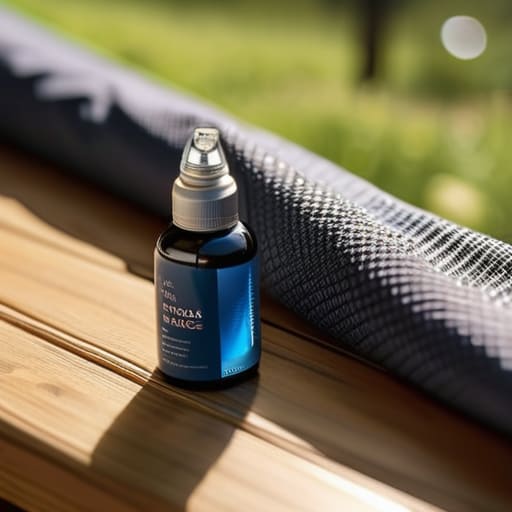
- Stop using standard supermarket detergents; they’re loaded with surfactants and perfumes designed to cling to fibers, which is exactly what you don’t want sitting inside a breathable membrane. I’ve used Nikwax Tech Wash for every single wash of my shell for the last six years, even when I’m just cleaning off light dust, because it’s designed to rinse away completely without leaving a film that blocks the pores.
- Check your pockets before they hit the drum. It sounds basic, but I once saw a client’s expensive hardshell ruined because they left a stray lip balm in the pocket; the heat of the wash melted the wax into the fabric, and no amount of scrubbing could get it out.
- Heat is your friend for the DWR, but only if you do it right. After washing, most of my technical layers benefit from about twenty minutes in the tumble dryer on a low heat setting—it helps the water-repellent coating realign on the surface of the fabric. Just don’t go overboard; if the tag says no heat, listen to it.
- Skip the fabric softener like it’s a patch of black ice. Fabric softener works by coating fibers in a thin layer of oil to make them feel soft, but in technical gear, that’s a death sentence for breathability. If you use it, you’re essentially sealing your jacket shut.
- Don’t wait until the gear smells like a damp dog to clean it. If you leave sweat and skin oils to sit in the fabric for months between trips, they can actually start to degrade the technical treatments. I tend to wash my base layers and shells immediately after any trip that lasted more than two days, regardless of how ‘clean’ they look.
The cost of a dirty shell
I’ve sat in a bivvy bag at 3:00 AM, watching condensation drip off the inside of a jacket that was supposed to be breathable, knowing exactly why it was happening. It wasn’t a manufacturing defect; it was just a year’s worth of salt, sweat, and road grime choking the membrane. If you treat your technical layers like your gym clothes, you aren’t just wearing dirty gear—you’re wearing a heavy, non-waterproof sponge that will fail you exactly when the wind picks up on the ridge.
Bridget Halloran
The Cost of Neglect

At the end of the day, maintaining your kit isn’t about being precious; it’s about reliability. If you’ve followed what I’ve said about avoiding fabric softeners, using technical detergents, and actually re-applying DWR once the coating starts to fail, you’re doing more than just cleaning clothes. You’re ensuring that when you’re halfway up a scramble in a sudden downpour, your shell actually behaves like a shell. I’ve seen too many people standing shivering under a ledge because they thought a bit of grime wouldn’t matter, only to find their “waterproof” jacket has turned into a sponge. Treat the maintenance as part of the kit itself, because a dirty, clogged membrane is just as useless as a broken stove.
We spend so much time obsessing over the latest lightweight layers or the perfect boot weight, but we often forget that the gear we rely on is a living thing that wears down with every mile. Taking twenty minutes to wash your fleece or treat your hardshell might feel like a chore, but it’s the most effective way to ensure your equipment stays as ready as you are. The mountains don’t care about your gear list, but they certainly respond to it. Respect the fabric, take care of the details, and your kit will be there to protect you when the weather decides to stop being forgiving.
Frequently Asked Questions
Can I just use my standard laundry detergent, or do I really need to buy those expensive specialized cleaners?
Look, I get it. You’re looking at a twenty-pound bottle of specialized wash and thinking it’s a marketing scam. But I’ve spent fifteen years watching people ruin their shells with standard supermarket detergents. Those cheap powders are loaded with perfumes and optical brighteners that coat the fibers like wax. Once that happens, your breathability is gone. I’ve used Nikwax tech wash for every single soak since 2012, in everything from summer dust to peat-heavy rain, and I won’t risk a three-hundred-pound jacket on a five-pound saving.
I’ve heard about tumble drying to reactivate the DWR—is that actually safe for the membranes, or am I going to melt the fabric?
It’s safe, provided you aren’t using a commercial dryer set to “scorching.” I’ve used a standard domestic tumble dryer for about five years now to reactivate the DWR on my shells after washing. The heat helps the polymer chains realign, which is what actually makes the water bead again. Just keep it on a low-to-medium heat setting. If you go too hot, you aren’t just risking the membrane; you’re risking the delamination of the whole jacket.
What happens if I skip the wash and just use a spray-on treatment instead?
If you skip the wash and just go straight for the spray, you’re essentially sealing the dirt and body oils into the fabric. I’ve seen it happen too many times: someone applies a fresh DWR treatment over a grimy shell, and within two hours of heavy rain, the water just soaks straight through. You aren’t waterproofing the fabric; you’re just layering a chemical barrier over a mess. Wash it first, or you’re wasting your money.