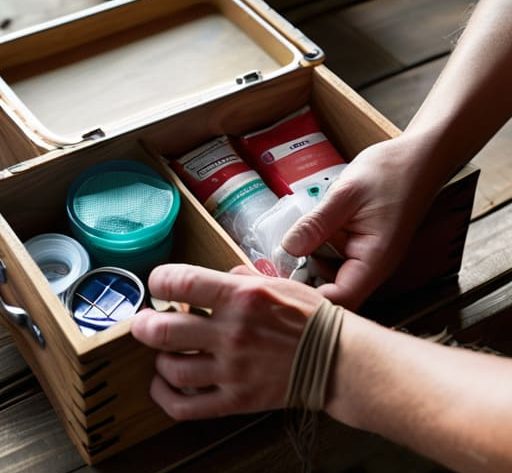
I once spent forty minutes in a freezing downpour on a ridge in the Cairngorms, trying to stem a bleed from a client’s leg using a pre-packaged “emergency kit” he’d bought online. It was a useless collection of tiny, flimsy bandages and three single-use wipes that dried out before we even got them out of the plastic. Most people approach the question of how to choose a first aid kit by looking for the flashiest, most expensive box on the shelf, but those generic kits are often just expensive ways to carry weight you’ll never actually use. They are designed for a suburban park, not for a person shivering in a valley when the light is failing and the wind is picking up.
I’m not here to sell you on a brand or a checklist of every medical gadget known to man. Instead, I’m going to tell you how to build a kit based on the actual injuries I’ve seen in the field and the gear I’ve personally carried through hundreds of miles of wet, rough terrain. We’ll focus on what matters—weight, accessibility, and utility—so that when things go wrong, you aren’t fumbling with useless rubbish.
Table of Contents
Building a Portable Medical Kit for Hiking That Actually Works
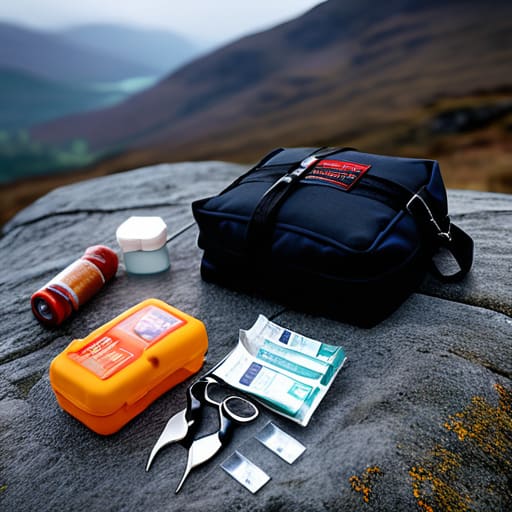
Stop buying those pre-packaged, neon-red pouches that come in a single size. I’ve seen far too many people reach for a generic kit only to find they have twelve sterile wipes and nothing to actually stop a bleed or stabilize a twisted ankle. When you are building a portable medical kit for hiking, you have to think about the specific physics of the terrain. If you are bagging scree slopes in the Cairngorms, you need more than just plasters; you need heavy-duty compression bandages and perhaps a SAM splint. I’ve spent fourteen days straight in the Lake District with a kit I built myself, and I can tell you that having a specific selection of essential wound care items—like irrigation syringes to clean grit out of a scrape—is far more useful than a handful of useless adhesive bandages.
Organization is where most people fail. I use small, clear, waterproof dry bags to categorize my supplies so I’m not digging through a dark void while my hands are shaking from the cold. Instead of one big mess, I separate my items into “minor scrapes” and “trauma/emergency.” It’s about reducing the cognitive load when things go wrong. If you follow a basic emergency medical supplies checklist tailored to your specific route, you won’t be caught out by a lack of basics when the light starts to fade.
Essential Wound Care Items for When the Forecast Lies
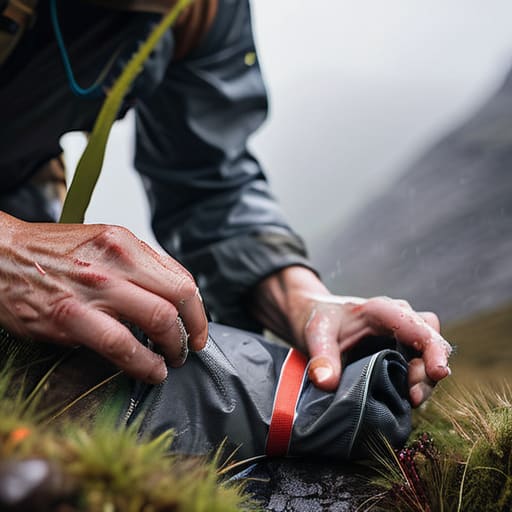
When you’re standing on a ridge and the wind has shifted from a breeze to a biting gale, a simple scrape stops being a nuisance and starts being a liability. If you’re wet and cold, your body’s ability to clot and heal slows down. I’ve spent many a late afternoon in the Cairngorms trying to patch up a knee after a slip, and the biggest mistake I see is people carrying tiny, flimsy plasters that peel off the second they get damp. You need essential wound care items that can actually handle moisture—think sterile saline wipes and heavy-duty adhesive dressings that won’t disintegrate in a downpour.
I’ve carried the same lightweight trauma shears for six years, through everything from summer heatwaves to sub-zero snowmelt, and they’ve never let me down. They are a non-negotiable part of my portable medical kit for hiking. Don’t bother with those flimsy plastic tweezers from a supermarket kit; get something with actual grip. If you’re managing a larger laceration, you need compression bandages that stay tight even when the fabric is soaked through. It’s about having the right tools to stabilize a situation before the temperature drops any further.
Five Rules for a Kit That Doesn't Just Add Dead Weight
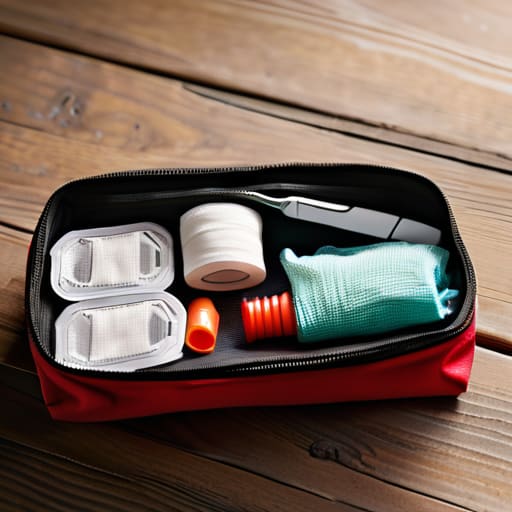
- Stop buying the pre-packaged “survival” kits from big-box retailers; they are almost always filled with cheap, flimsy plasters that fall off the second you start sweating and none of the specific medications you actually need. I’ve spent more time than I’d like patching up blisters with subpar adhesive because a kit was designed for a suburban park rather than a wet ridge in the Lake District.
- Pack for the terrain, not the itinerary. If you are heading into scree or rocky scrambling, your kit needs more than just bandaids—you need heavy-duty compression bandages and irrigation syringes for cleaning grit out of a wound. I’ve seen people try to treat a deep scrape in a downpour with nothing but a tiny wipe, and it’s a recipe for infection.
- Weight is a factor, but so is accessibility. I’ve carried a 500g kit that felt like a brick by day three, but I’ve also seen people bury their medical supplies at the bottom of their pack under their sleeping bag, only to realize they need them when the light is failing and the temperature is dropping. Keep your essentials in a bright, dedicated pouch that you can reach without dumping your entire pack on the ground.
- Test your kit in the conditions you actually expect. I’ve used my current setup—a custom-built dry bag with modular pouches—through three seasons of heavy rain and frost, and it has never once failed me. If you haven’t checked if your medical tape actually sticks to skin that is cold and damp, you haven’t truly tested your kit.
- Prioritize the “decision-making” items. A good kit isn’t just about physical tools; it’s about having the supplies that allow you to manage a situation until help arrives or until you can safely descend. This means having enough high-calorie energy gels or electrolyte tablets to manage the shock of a minor injury, and enough warmth—like a single, high-quality emergency foil bivvy—to stop a small mishap from turning into a hypothermia case.
The Weight of a Bad Decision
A first aid kit isn’t a collection of random bandages you grab because you feel responsible; it’s a calculated response to the specific terrain you’re walking and the exact weather you’re expecting, because a blister is a nuisance, but managing a deep laceration in a horizontal downpour on a scree slope is a completely different reality.
Bridget Halloran
The Kit is Only Half the Battle
At the end of the day, choosing a kit isn’t about finding the most expensive set of bandages or the heaviest, most comprehensive medical bag. It’s about the specific intersection of your route, the expected weather, and the group you’re walking with. You need enough wound care to handle a scrape in the grit, but you also need the blister care and the thermal layers for when a simple slip turns into a long, cold wait for help. I’ve seen too many people pack for a sunny stroll in the valley and then find themselves struggling with a basic kit when the mist rolls in and the temperature drops ten degrees in twenty minutes. Build it for the reality of the terrain, not the optimism of the morning forecast.
Ultimately, your kit is a tool, just like your compass or your map, and it requires the same respect. Don’t just shove it in the bottom of your pack and forget it exists; check the seals, refresh the medications, and make sure you actually know how to use what you’re carrying. The most expensive piece of gear in your bag is useless if you’re too panicked to deploy it. Respect the mountains, respect your limits, and prepare for the version of the day that goes wrong. When you do that, you aren’t just carrying a bag of supplies—you’re carrying the ability to stay calm when the environment decides to change the rules.
Frequently Asked Questions
How much weight am I actually willing to carry versus the risk of leaving something vital behind?
It’s a balancing act, but I’ve learned that “lightweight” is a dangerous word when you’re three hours from the trailhead and the mist is rolling in. I weigh my kit every season. I’ll shed a second bandage, but I won’t touch my trauma shears or my antiseptic. If an item serves a single, critical purpose for a high-consequence injury, it stays. I’d rather carry an extra fifty grams than spend an hour realizing I’m unprepared for a bleed.
Should I be buying those pre-made, branded kits, or is it better to build my own from individual components?
Don’t bother with those pre-packaged, branded kits you find in big-box stores. They’re usually filled with cheap, flimsy bandages and enough antiseptic wipes to last a lifetime, but they almost always miss the things you actually need when you’re shivering on a ridge. I’ve spent twenty years seeing what actually happens in the field; build your own. You’ll know exactly what’s inside, every item will have a purpose, and you won’t be carrying dead weight.
How do I decide which specific medications are worth the space in my pack for a single-day hike versus a multi-day trek?
For a single day, I only carry what I can use immediately: a handful of ibuprofen for a sudden headache and maybe a couple of antihistamines. If I’m out for one day, I’m not lugging a pharmacy. But for a multi-day trek, the math changes. I pack for the “what ifs”—anti-diarrheals and more robust pain relief. I’ve spent too many nights shivering in a tent because a minor stomach bug turned into a crisis.