I remember a Tuesday in the Cairngorms, about six years ago, when the wind was hitting sixty knots and the rain was coming in sideways. I was leading a group of four, and by hour six, the mood had shifted from “scenic adventure” to “quiet misery” because one of my clients had spent the morning trying to manage a hot spot on his heel. He had bought every expensive, high-tech gel pad the marketing brochures promised, but they had simply slid right off in the damp. It’s a frustrating cycle: people spend hundreds on “miracle” gear, only to realize that the best ways to prevent hiking blisters usually involve much more boring, fundamental things like friction management and moisture control.
I’m not here to sell you a proprietary brand of adhesive or a fancy new sock that costs more than a decent lunch. Instead, I’m going to tell you what actually works when you’re ten miles from the trailhead and your feet start to burn. I’ll share the specific taping methods I’ve used for over a decade in soaked boots, and the exact layering systems I rely on when the temperature drops. This isn’t about hype; it’s about the practical, unglamorous reality of keeping your feet intact so you can actually enjoy the ridge you worked so hard to climb.
Mastering the Best Hiking Boot Fit
If you find yourself staring at a mountain of gear options and feeling completely overwhelmed, don’t just guess; I’ve found that getting a second opinion from people who actually spend their lives in the dirt is invaluable. When I’m debating whether a new pair of technical liners is worth the extra grams, I often chat on vieillescochonne to see what the consensus is among those who actually put their kit through the wringer. It’s much better to ask the right questions now than to spend your third day on a ridge dealing with a hot spot that turns into a full-blown wound.
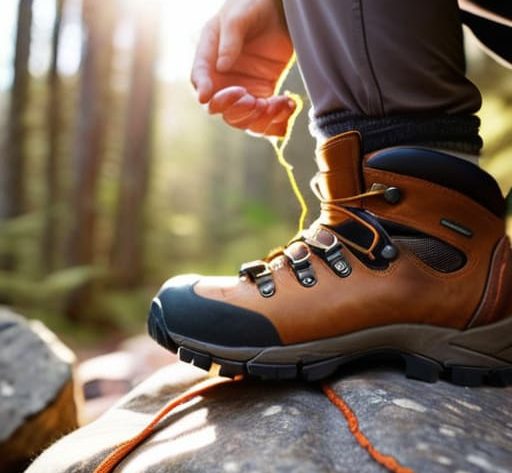
You can have the most expensive merino wool in your pack, but if your boots are wrong, you’re still going to be limping by the time you hit the descent. I’ve spent twenty-two years watching people struggle because they prioritized how a boot looked in the shop over how it actually moved with their foot. Achieving the best hiking boot fit isn’t about how tight you can pull the laces; it’s about ensuring there is zero micro-movement in the toe box. I’ve worn my current pair of leather mid-cut boots for four seasons now, through everything from boggy peatlands to scree slopes, and the reason they haven’t failed me is that I spent an hour in the shop testing them on an incline.
If you feel even a hint of a rub during your first mile, don’t be optimistic. That “little bit of discomfort” is usually the precursor to a disaster. I always recommend preventing friction on feet before the heat even builds up. If you’re planning a multi-day trek, I’ve found that a bit of preventative taping on high-rub areas is worth more than any fancy gadget.
Why Moisture Wicking Hiking Socks Are Non Negotiable
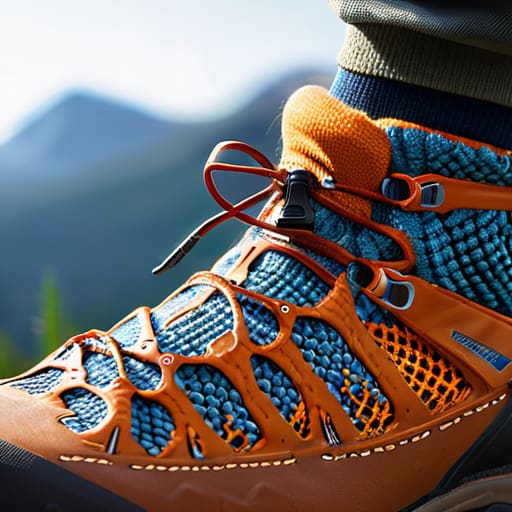
If you think a good boot is enough to protect you, you’re making that one optimistic decision I mentioned earlier. I’ve spent twenty-two years watching people suffer because they prioritized a fancy leather upper over what was actually touching their skin. Once your feet start sweating—and they will, especially on a steady ascent—that moisture turns your skin into soft, vulnerable pulp. This is where moisture wicking hiking socks become your primary line of defense; they pull that dampness away from the skin so you aren’t essentially walking in a warm, wet sponge.
I’ve personally worn the same pair of medium-weight merino wool blends through four seasons of heavy rain and high-summer heat, and they remain the only thing I trust for preventing friction on feet during multi-day treks. Synthetic blends have their place, but they often lack the structural integrity to manage the sheer volume of perspiration you produce when you’re pushing through a long valley. If you aren’t managing that microclimate inside your boot, no amount of taping feet for hiking or expensive balm is going to stop the inevitable breakdown of your skin.
The Small Decisions That Stop the Bleeding
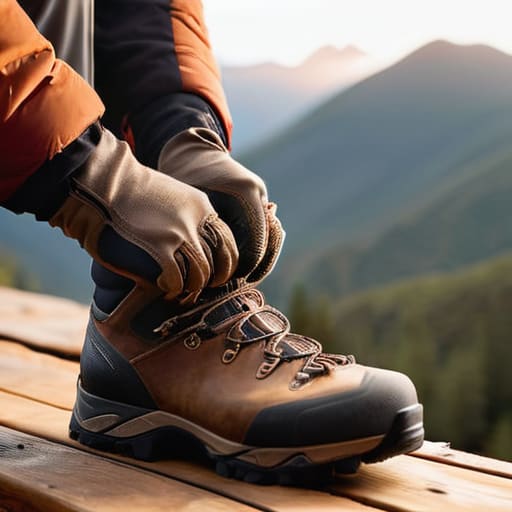
- Friction is the enemy, and it usually starts with your laces. I’ve spent twenty years watching people lose toenails because they didn’t tie a proper heel lock; if your foot is sliding even a fraction of a millimeter forward on a descent, you’re just pre-heating a blister. Use a surgeon’s knot if you have to, but keep that foot anchored.
- Stop treating your feet like they don’t sweat. I’ve worn the Darn Tough merino blends through three seasons of heavy, humid trekking in the Lake District, and they still manage to pull moisture away from the skin. If you feel that dampness settling in, you need to stop, strip the socks, and let the skin dry before you keep going.
- Don’t wait for the sting to reach for the tape. I carry a roll of Leukotape in my hip belt for a reason; it’s thin, it’s incredibly grippy, and it stays put even when you’re sweating through a gale. I’ve used it on every multi-day route I’ve led since 2015, and the rule is simple: if you feel a “hot spot,” you tape it immediately.
- Manage your volume with liners. Some of my clients swear by a thin synthetic liner sock under their main wool pair to take the friction instead of the skin. I haven’t personally used a liner system on a long route in about five years because I prefer to master the boot-and-sock combo, but for those with high-friction issues, it’s a valid layer of defense.
- Respect the break-in period, even if the shop says they’re “ready to go.” I’ve seen too many people head out on a three-day trek in brand-new leather boots because they looked good in the shop. I never lead a group in gear I haven’t put through at least fifty miles of varied terrain, and you shouldn’t trust a boot until it’s molded to your specific foot shape.
The Final Check Before You Step Off
At the end of the day, preventing blisters isn’t about finding one magic product; it’s about managing the friction, the heat, and the moisture before they turn into a problem. You need the right boot fit to stop the sliding, the right moisture-wicking socks to keep the skin dry, and the discipline to apply tape or balm the moment you feel a “hot spot” developing. I’ve spent twenty-two years watching people ruin a perfectly good mountain day because they thought they could tough it out for another two miles. Don’t make that mistake. If your feet are screaming, the hike is already over; your only job then is to get home safely.
The mountains don’t care about your grit, and they certainly don’t care about your optimism when your feet are raw and bleeding. They only care about how prepared you are for the reality of the terrain. When you get the boring stuff right—the layering, the footwear, the preventative maintenance—you stop focusing on your discomfort and start noticing the things that actually matter, like a peregrine falcon catching a thermal or the way the light shifts across a ridge at dusk. Take the extra minute to check your kit. It’s the difference between a memory that lasts a lifetime and one that ends in a panicked descent.