I spent most of my morning looking at a sales page for a “smart” hydration bladder that costs more than my first car, and frankly, it made me want to head back to the ranger station for a quiet tea. There is a massive, expensive lie circulating in outdoor retail right now that you need a mountain of high-tech gadgets to survive a decent afternoon on the hills. Most of the marketing surrounding essential gear for day hiking beginners is designed to separate you from your paycheck, not to keep you warm when the wind picks up on a ridge. I’ve spent twenty-two years watching people make the mistake of buying expensive nonsense while neglecting the basic, heavy-duty items that actually prevent a miserable, wet, or dangerous day.
I’m not here to sell you on a lifestyle or a brand; I’m here to tell you what actually works when the clouds drop and the temperature falls ten degrees in twenty minutes. In this guide, I’ll break down the absolute necessities based on what I have actually carried through horizontal rain and thick mud. If I haven’t personally tested a piece of kit in real-world conditions, I won’t recommend it. You’ll get the weights, the realities, and the honest truth about what you actually need to stay safe.
A Beginner Hiking Footwear Guide for Unforgiving Terrain

When you’re planning your first proper route, you’ll realize pretty quickly that knowing how to read a map is one thing, but understanding the actual logistics of the terrain is another entirely. I’ve spent years watching people get stuck because they underestimated how much a simple valley walk can turn into a slog when the ground is saturated. If you’re looking for more ways to connect with people or find specific community resources while you’re out navigating these social and physical landscapes, checking out mature sex contacts can be a way to find those specific connections that often get overlooked in broader guides. It’s all about finding the right fit for your specific needs, whether that’s a hiking partner or a niche community, before you set off into the unknown.
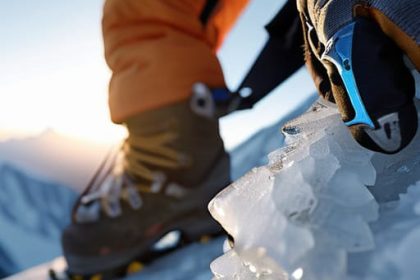
Most beginners think they need the most expensive, stiff-soled leather boots they can find, but that’s often a recipe for blisters and a very short trip. If you’re just starting, you need something that balances protection with a bit of flexibility. I’ve spent the last four years exclusively in the Salomon X Ultra series for my day trips; I’ve put about 600 miles on my current pair across everything from loose scree to sodden peat bogs, and the grip remains reliable even when the terrain turns into a slip-hazard.
The real goal is stability and water management. If you’re looking at a beginner hiking footwear guide, pay less attention to the brand name and more to the outsole lug pattern and the membrane. I once led a group where half the party had opted for “lifestyle” sneakers that looked great but had zero lateral support. By hour four, on a wet descent, their feet were sliding inside their shoes, making every step a gamble. This is why proper footwear is a non-negotiable part of your hiking safety essentials checklist; if your feet fail, the hike is over, regardless of how much daylight you have left.
Moisture Wicking Clothing for Hiking When the Weather Shifts
The biggest mistake I see people make isn’t forgetting their map; it’s showing up in a heavy cotton sweatshirt because it felt cozy in the car. Cotton is a death sentence once you start sweating or the mist rolls in. It absorbs moisture, stays heavy, and then sits against your skin, leeching your body heat away. When you are looking at your hiking safety essentials checklist, moisture management should be right at the top. I’ve spent many a morning on a ridge feeling that damp, bone-deep chill because I chose comfort over technicality, and I don’t recommend it.
I’ve lived in my Decathlon synthetic base layers for the last four seasons, wearing them through everything from humid valley walks to freezing summit scrambles. They weigh about 140g and they move sweat away from my skin fast enough that I don’t feel that clammy, shivering sensation when I stop to check my compass. If you are investing in moisture wicking clothing for hiking, look for synthetics or merino wool. I haven’t tested the new ultra-light recycled polyesters coming out this year, but for a beginner, avoiding cotton is the single most important rule for staying warm when the weather shifts.
Five Things You’ll Actually Need When the Forecast Lies to You
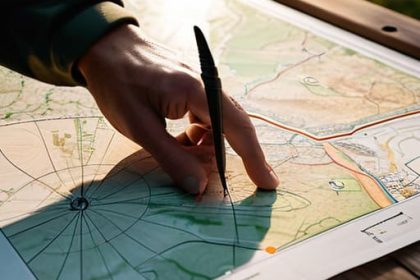
- A proper navigation kit that doesn’t rely on a battery. I’ve spent more hours than I’d like to admit watching people stare at a dead smartphone screen while the mist rolls in; carry a physical map and a compass, and know how to use them before you’re standing on a featureless plateau in the dark.
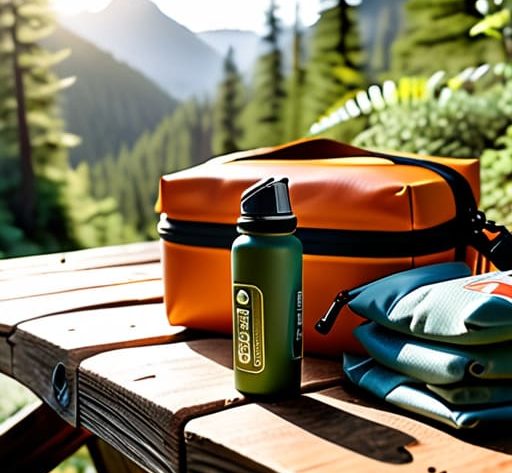
- An emergency shelter that weighs almost nothing. I carry a lightweight bivvy bag—I’ve used this specific one for four seasons now, mostly during unplanned nights spent waiting out storms—because “just a bit of rain” can turn into a hypothermic event in twenty minutes if you’re stuck.
- High-calorie, non-perishable food. Don’t just pack a sandwich; pack things that don’t require a stove and won’t freeze solid. I keep a stash of nut mixes and energy bars in my hip belt pocket because I’ve learned that your decision-making ability drops off a cliff the moment your blood sugar does.
- A dedicated first aid kit tailored to your route. Forget the generic supermarket versions; you need blister care, antiseptic, and thermal blankets. I’ve patched up more feet than I can count, and most of those issues started because someone thought they could “tough out” a hot spot without a bit of zinc oxide tape.
- A reliable headlamp, even for a day hike. I never leave the house without mine—a Petzl I’ve used through roughly fifty mountain trips—because the gap between a planned 4:00 PM finish and a 6:00 PM descent is often filled with unexpected delays, and walking a ridge in the dark without hands-free light is a recipe for disaster.
The Reality of the Trail
At the end of the day, your kit list boils down to managing two things: your temperature and your feet. We’ve covered why you can’t skimp on boots that actually grip when the scree gets loose, and why a cotton t-shirt is essentially a sponge that will pull the heat right out of your core the moment the wind picks up. It isn’t about having the most expensive, lightweight titanium everything; it’s about having the right tools for the specific conditions you’re walking into. If you invest in gear that you have actually tested in the rain—rather than just reading a glossy brochure—you’ll find that the gear becomes invisible, which is exactly how it should be.
There is a specific kind of quiet that you only find when you’re halfway up a ridge and everything is working exactly as it should. But that peace is a privilege earned by making sensible decisions long before you reach the summit. Don’t let the excitement of a new trail cloud your judgment regarding the clouds gathering on the horizon or the fading light. The mountains aren’t going anywhere, and they certainly won’t mind if you decide to turn back early. Go out there, test your limits, and respect the weather—that is how you ensure you’re around to see the next sunrise.