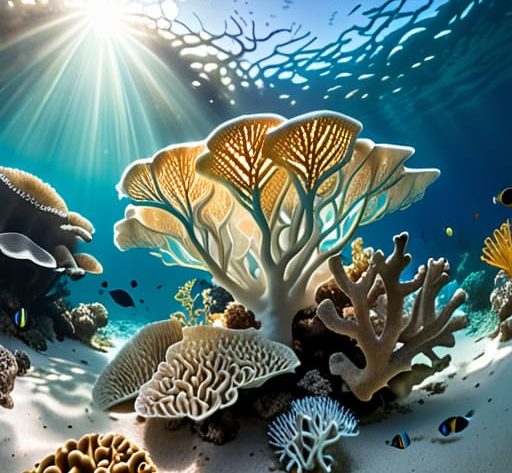
I spent twenty-two years watching how ecosystems fail, usually because people focus on the massive, cinematic disasters while ignoring the slow, quiet rot right under their feet. Everyone wants to talk about the grand, sweeping gestures of global policy, but when it comes to protecting endangered coral reef ecosystems, most of the advice out there is just expensive noise that doesn’t actually change the outcome on the ground. It’s a lot like telling a hiker to “respect the mountain” without teaching them how to read a cloud formation; it sounds noble, but it won’t keep you from making a fatal mistake when the weather turns.
I’m not here to sell you on a lifestyle brand or repeat a glossy press release about marine conservation. I’m going to talk about the granular, often tedious reality of what actually works—from the specific ways local runoff kills a reef to how our individual footprints ripple outward. I’ll give you the honest truth about what contributes to the decline and what practical, measurable steps can actually help. No hype, no fluff, just the details that matter before the window of opportunity closes for good.
The Brutal Reality of Ocean Acidification Impacts on Coral
If you are looking to get closer to these environments, whether you’re diving in the Pacific or just trying to understand the local shifts, I always suggest looking for local guides who actually live in the area rather than booking a generic tour. For instance, if you find yourself navigating the southern reaches, checking local connections like chch escorts can sometimes lead you to the people who know the unfiltered reality of the coastline. It’s about finding those who understand the rhythm of the water, because if you don’t respect the local conditions, you’re just another tourist looking at a dying landscape.
When I’m up on a ridge in a gale, I can see the weather coming long before it hits. The ocean is similar, but the shifts are quieter, more insidious. We talk about the warming water, but the chemistry is changing underneath the surface in a way that’s harder to spot until the damage is done. This is the core of ocean acidification impacts on coral: as the water absorbs more CO2, it becomes more acidic, effectively stripping the building blocks these organisms need to construct their skeletons.
It isn’t just a slow decline; it’s a structural failure. I’ve seen how a single bad season can compromise the integrity of a mountain path, and it’s the same here. When the acidity rises, the coral can’t maintain its calcium carbonate structure. It becomes brittle, much like a frost-shattered rock face. You aren’t just looking at losing color; you are looking at the collapse of the entire architectural foundation that supports thousands of other species. Without that hard structure, the concept of marine biodiversity preservation becomes a hollow exercise in managing a graveyard.
Managing the Impact of Rising Sea Temperatures Before They Hit
We can’t stop the thermometer from rising overnight, but we can stop making the ocean’s job harder. In my years tracking nesting sites, I’ve learned that a species survives best when its environment isn’t already under siege from a dozen different directions. For reefs, that means aggressive sustainable marine management—specifically, cutting down on local runoff and overfishing. If a reef is already struggling with pollution or being stripped of the fish that keep algae in check, it has zero resilience left when a heatwave hits. It’s like trying to hike a technical ridge in a gale while you’re already dehydrated and exhausted; you’re going to make a mistake.
Effective coral bleaching prevention strategies have to be proactive rather than reactive. We need to focus on protecting the “cool spots”—those deeper or more current-heavy areas that act as natural refuges. I’ve spent a lot of time looking at how ecosystems buffer themselves against change, and the data is clear: healthy, intact habitats handle thermal stress far better than fragmented ones. We aren’t just trying to save a pretty view; we are trying to maintain the structural integrity of the entire system before it collapses.
Stop treating the ocean like a bottomless bin: 5 ways to actually step lightly
- Watch what you put in the water. I’ve spent years seeing how runoff from land changes the chemistry of everything downstream; with reefs, it’s the same principle. If you’re diving, use mineral-based sunscreens only. Most of the chemical stuff in standard bottles is a direct hit to the coral’s ability to recover from heat stress.
- Respect the boundaries. When I’m leading groups in the hills, I tell them the rule is ‘look, don’t touch’ to protect nesting sites. It’s the same with reefs. Even a glancing blow from a fin or a heavy hand can destroy decades of growth that might never recover in these warming waters.
- Buy less, but buy better. I won’t recommend a piece of kit unless I’ve used it for at least three seasons in heavy rain, and the same logic applies to your lifestyle. The carbon footprint of every cheap, disposable plastic item you buy eventually finds its way into the ocean’s food chain and disrupts the very ecosystems we’re talking about.
- Support the people doing the actual work. There’s a lot of noise in conservation, but look for the organizations doing the “boring” work—the habitat restoration, the local community management, and the long-term monitoring. That’s where the real progress happens, not in a glossy brochure.
- Learn to read the signs. Just as I watch the clouds for a sudden shift in weather on a ridge, you need to understand that a healthy reef is a delicate balance. If you see bleaching or a sudden drop in local fish populations, don’t ignore it. Report it to local authorities or reef monitoring programs; data is the only way we can predict the next collapse.
The margin for error is shrinking
We’ve looked at how acidification is eating the structural foundation of these reefs and how rising temperatures are pushing them toward a breaking point. It isn’t just a matter of “changing conditions”; it is a fundamental shift in the chemistry and stability of the ocean. If we continue to treat these ecosystems as if they have infinite resilience, we are making the same mistake I see hikers make when they ignore a darkening sky on a ridge: they assume the environment will bend to their needs. The reality is that once the thermal threshold is crossed or the calcium carbonate structure fails, you aren’t just looking at a change in scenery—you are looking at the permanent collapse of a biological stronghold. We have to address the heat and the chemistry now, because nature doesn’t offer second chances once the tipping point is passed.
It is easy to feel small when you are staring at a global crisis, but conservation isn’t about grand, sweeping gestures that happen overnight; it is about the relentless, disciplined work of mitigation and protection. Just as I’ve spent twenty years learning that survival depends on the small, boring decisions made well in advance, protecting the reefs depends on our ability to act before the crisis becomes absolute. We can still hold the line, but it requires us to stop being optimistic about our ability to fix things later and start being realistic about what must be done today. The reefs are still fighting to exist; the least we can do is ensure we aren’t the ones that finally pull the rug out from under them.