I was standing on a granite ridge in the Cairngorms three years ago, soaked through to my base layers and waiting for a mist to lift, when I heard it—that sharp, rhythmic trill that told me a Golden Eagle was circling just above the cloud line. I didn’t need a high-end digital recorder or a $500 field guide to tell me what was happening; I just needed to listen. Most people think learning how to identify birds by song requires expensive gear or a photographic memory for complex scales, but that’s a load of rubbish. In reality, it’s about pattern recognition and knowing which sounds belong to the landscape you’re actually standing in.
I’m not here to give you a lecture on avian acoustics or a list of apps that only work when the sun is shining and the wind is still. Instead, I’m going to share the practical, slightly unglamorous methods I’ve used over two decades of mountain leading and raptor logging to make sense of the noise. We’ll focus on the reliable markers—the rhythm, the cadence, and the timing—that allow you to know exactly what’s moving through the brush before it disappears into the treeline.
Table of Contents
Deciphering Bird Melodies When the Sight Fails

When the mist rolls in over a ridge or the canopy gets too thick to see through, you stop being a visual observer and start being a listener. I’ve spent many an afternoon in the Cairngorms where the visibility dropped to ten metres in minutes, leaving me completely reliant on understanding avian vocalizations just to know what was moving through the heather. You can’t just listen for a “sound”; you have to listen for rhythm, pitch, and cadence. A song is a sequence, much like a weather report—it has a beginning, a predictable middle, and an end. If you try to catch the whole thing at once, you’ll miss the nuance.
I’ve found that the most effective bird call recognition techniques involve breaking the melody into smaller, digestible chunks. Instead of trying to name the bird immediately, listen for the tempo. Is it a frantic, staccato burst or a slow, melodic sweep? I’ve used several audio bird identification tools over the years to verify what I’m hearing, but no app replaces the ear trained by repetition. Most of the time, the trick is simply staying still long enough for the bird to forget you’re there and finish its sentence.
Bird Call Recognition Techniques for Unpredictable Weather
When the mist rolls in or the rain turns into a horizontal sheet, your visual field shrinks to about three feet. This is when most people make the mistake of stopping and waiting for a glimpse that isn’t coming. Instead, you have to lean into understanding avian vocalizations as your primary way of mapping the landscape. I’ve spent many a grey afternoon in the Cairngorms where the only thing moving was the sound. You start to learn that a sharp, repetitive tchip isn’t just noise; it’s a specific territorial marker.
If you are relying on audio bird identification tools, be careful. I’ve used the Merlin app on dozens of trips—mostly during low-visibility treks in the Lake District—and while it’s a decent safety net, it’s a battery killer. In cold, damp conditions, your phone’s life drops faster than you’d expect. My advice is to use the technology to confirm what you think you’re hearing, not to replace the actual act of listening. Don’t let the screen become a barrier between you and the ridge; use the sounds to build a mental map of where the birds are actually sitting.
Five ways to actually hear what’s happening in the canopy
- Stop trying to name the song immediately. Most people fail because they’re trying to match a melody to a mental file while the bird is still singing. Instead, listen for the rhythm and the cadence—is it a frantic, staccato burst or a slow, repetitive loop? I’ve spent years logging raptor activity, and I’ve learned that identifying the ‘beat’ is much more reliable than trying to catch a specific note when the wind is gusting at twenty knots.
- Use your environment as a filter. If you’re standing in a thicket or under a heavy canopy, the sound is going to be muffled and directional. Don’t just stand still; move your body slightly to find the “pocket” where the sound isn’t being swallowed by the terrain. I’ve spent many a morning on a ridge trying to pin down a Curlew, and you quickly learn that the sound is often bouncing off rock faces, making it seem like it’s in one place when it’s actually fifty yards to your left.
- Learn the “silence gaps.” Every bird has a specific way it pauses between phrases. A Chaffinch has a very particular rhythmic pause that differs from a Blackbird, even if you can’t quite distinguish the pitch through the rain. If you can memorize the space between the notes, you’ll identify the species much faster than if you just focus on the noise itself.
- Distinguish between the “song” and the “call.” This is where most beginners get tripped up. A song is a complex, territorial performance, but a call is just a functional bit of communication—a warning, a contact note, or a distress signal. If you hear a single, sharp pip, don’t go looking for a complex melody; you’re likely hearing a call, which requires a different mental approach to identification.
- Listen for the “texture” of the sound. Is it thin and high-pitched, like a thread of silk, or is it buzzy and mechanical? I always tell my groups that if they can’t see the bird, they should describe the sound’s texture to themselves. A Willow Warbler sounds “thin” and liquid, whereas a Wren is a concentrated, vibrating explosion. Once you categorize the texture, the list of potential birds shrinks significantly.
## The Sound Before the Sight
“When the mist rolls in and your visibility drops to five metres, your eyes become almost useless; at that point, you aren’t just birdwatching anymore, you’re navigating by ear, and if you haven’t learned to distinguish a wren’s sharp scold from a thrush’s melody, you’re effectively walking through the landscape blind.”
Bridget Halloran
The Long Game of Listening
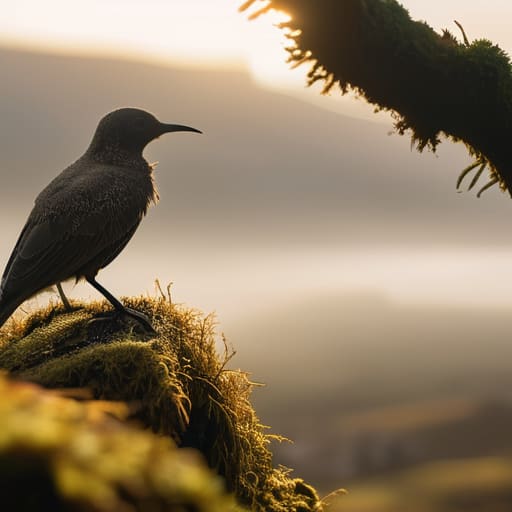
At the end of the day, identifying birds by song isn’t about memorizing a textbook; it’s about developing a sense of rhythm and timing that matches the landscape. We’ve talked about using the environment to your advantage, focusing on the structure of the call when the visibility drops, and learning to distinguish a territorial claim from a simple contact call. Whether you are hunkered down in a bivvy bag during a gale or just walking the local fellside, remember that sound is your most reliable data point when the weather turns. Don’t rush the process. If you can’t place a melody immediately, just note the tempo and the pitch in your head. Accuracy comes from repetition and patience, not from forcing an identification before you’ve truly heard the pattern.
There is a specific kind of quiet that comes when you stop looking for a flash of color and start listening to the air itself. It’s a shift in how you inhabit the hills. I’ve spent twenty years tracking raptors and nesting sites, and I can tell you that the most profound connections to the wild happen when your eyes are useless and your ears are wide open. It might feel tedious at first, but eventually, the landscape begins to speak a language you actually understand. Keep your head up, keep your ears tuned, and trust the process of slow, steady observation.
Frequently Asked Questions
How do I tell the difference between two similar-sounding species when the wind is whipping across a ridge?
When the wind is gusting at 30 knots across a ridge, you stop trying to hear the melody and start listening for the rhythm. Most birds have a distinctive cadence—a repetitive “beat” to their call—that cuts through the white noise better than a complex song. I’ve spent years in these conditions, and if the wind is too heavy, I stop guessing. If you can’t be certain, wait for a lull or note the habitat; a bird’s location tells you more than a half-heard note ever will.
Is there a way to learn these songs without constantly stopping to check a phone app, which just kills the momentum of a walk?
The short answer is yes, but it takes more patience than a quick tap on a screen. I’ve spent years trying to build my own mental library, and the trick isn’t memorizing every note, but recognizing the rhythm and the “shape” of a call. I suggest recording a few clips at home or in the garden first. Get the pattern into your head when you aren’t cold or tired. Once you know the cadence, you won’t need the phone.
What do I do when the birds are too quiet because of a sudden change in weather or low light?
When the wind picks up or the light drops, birds stop performing; they’re busy surviving. If the canopy goes silent, stop hunting for melodies and start listening for the “alarm” calls—those sharp, staccato notes used when a predator or a storm is moving in. Don’t force it. If you’re squinting through a mist that’s thickening, pack your gear and get off the ridge. You can’t identify a bird if you’re too busy managing hypothermia.