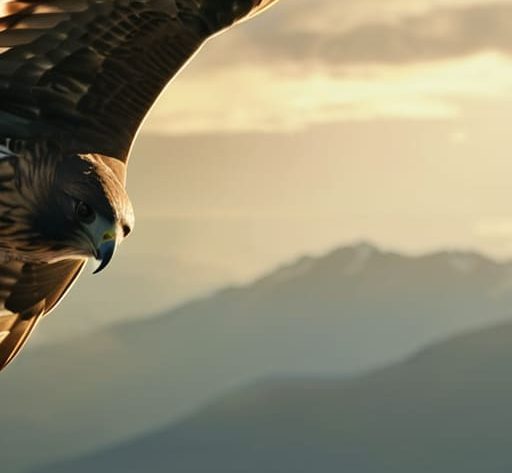
I spent three hours last Tuesday huddled behind a gritstone outcrop in a driving sleet, my fingers numb and my binoculars fogging every time I breathed, all because I thought I’d spotted a Peregrine. It wasn’t. It was a common buzzard, looking remarkably uninspiring against a bruised sky. Most guides will tell you that learning how to identify birds of prey requires a high-end spotting scope and a PhD in ornithology, but they’re selling you a fantasy. In reality, the most important things you’ll notice aren’t the plumage details—which are usually invisible when the light is failing—but the way a bird holds its weight against a headwind or the specific, heavy silhouette of a kestrel hovering over a scree slope.
I’m not here to recite a textbook or repeat a glossy field guide’s description. I’m going to show you how to read the movement and the context of the bird, the stuff I’ve learned from twenty-two years of watching them from the worst weather the hills can throw at me. I will give you the practical, unvarnished truth about what you can actually see when you’re tired, cold, and squinting through a mist that’s swallowing the ridgeline.
Table of Contents
Mastering Raptor Field Marks Before the Light Fades
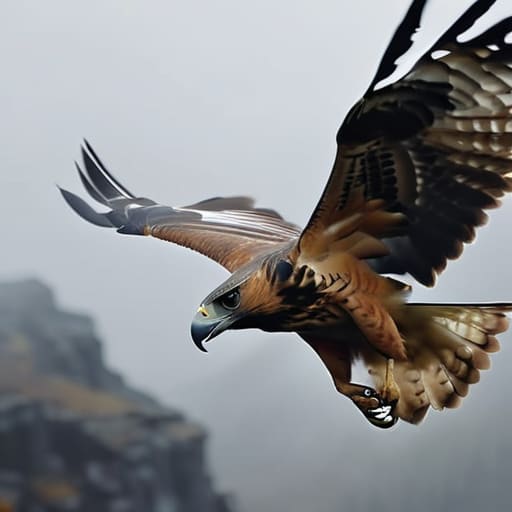
When you’re standing on a ridge and the wind starts to pick up, you don’t have the luxury of a high-powered spotting scope and twenty minutes of stillness. You have seconds. To get it right, you have to stop looking for “a bird” and start looking for specific raptor field marks that define the silhouette. I’ve spent many a damp afternoon in the Cairngorms trying to differentiate a buzzard from a goshawk in heavy mist; the trick isn’t just the color, it’s how they hold themselves. A hawk often carries a more compact, rounded profile, whereas an eagle will present a much broader, more imposing presence against the grey.
Don’t get bogged down in trying to see every feather detail when the light is failing. Instead, focus on observing raptor flight patterns and the way they interact with the thermals. An eagle’s wingbeat is heavy and deliberate, a rhythmic labor against the air, while a falcon’s movement is often a sudden, violent snap of energy. If you wait until the sun is behind the crags to start squinting at plumage, you’ve already missed the window. You need to learn the geometry of the wing before the shadows take the detail away.
Distinguishing Hawks From Eagles in Shifting Weather
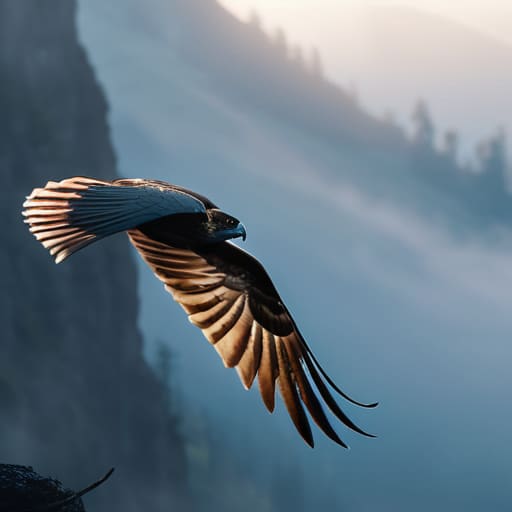
When the mist starts rolling in over the ridge, your first instinct is usually to look for size, but size is a liar in low visibility. You’ll see a massive silhouette and immediately think eagle, but a hawk caught in a thermal can hold its own presence if you aren’t looking closely. To master distinguishing hawks from eagles, you have to stop looking at the bird as a whole and start looking at the wingtips. I’ve spent a decade tracking these movements, and the tell is almost always in the “fingers.” An eagle will have those heavy, deeply slotted primary feathers that look like they’re struggling against the downdraft, whereas a hawk’s wing shape tends to be more compact, even when they are working hard to stay aloft.
The real difficulty comes when the wind picks up and the light turns grey. This is when observing raptor flight patterns becomes more reliable than trying to spot specific plumage. An eagle’s flight has a certain heavy, rhythmic momentum; they don’t dance in the wind so much as they dominate it. A hawk, particularly a buzzard, will often appear more erratic, making those quick, snapping adjustments to catch a pocket of rising air. If you wait for the perfect lighting to check for color, you’ll miss the window entirely. Watch the cadence of the wingbeat instead.
Five Rules for When the Weather Isn't Helping
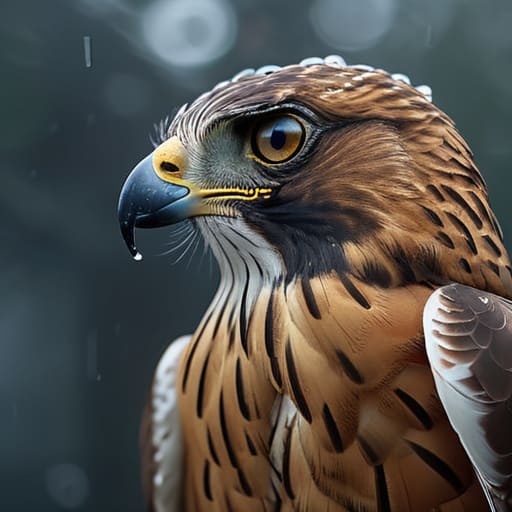
- Stop looking for the bird and start looking for the movement. In high winds or heavy mist, you won’t see a silhouette clearly, but you will see the way a kestrel holds its position against a gust or the heavy, rhythmic wingbeat of a buzzard trying to stay level. If it’s moving with purpose against the wind, it’s a clue; if it’s just a shape drifting, it might just be a bit of debris or a crow.
- Watch the wing shape, not the color. I’ve spent more days than I can count staring at grey shapes through horizontal rain, and color is the first thing to go when the light fails. Focus instead on the “fingers”—those primary feathers at the wingtips. If they are spread wide and steady, you’re likely looking at a larger raptor; if the wing looks more like a solid, tapered blade, think smaller.
- Note the flight pattern, especially the descent. I’ve learned that you can often identify a species by how it “drops” into a hunting stance. A falcon will have a much more aggressive, direct descent than a buzzard, which tends to more gracefully spiral or glide on the thermals. If it looks like it’s falling out of the sky with intent, it’s a different beast entirely.
- Check the tail length against the body. When you finally get a clear enough view to distinguish a shape, look at the tail. A short, stubby tail often points toward a merlin or a smaller hawk, whereas a long, wedge-shaped tail is a classic marker for several larger species. It’s a small detail, but in the half-light of a late afternoon, it’s often the only thing that holds up.
- Don’t trust your first instinct when the light is low. I’ve misidentified a common buzzard as something far more exotic simply because I was too eager to see it. If you aren’t certain, wait. Watch the bird for another three minutes. If you can’t confirm the wing shape or the flight style by then, record the location and the time in your log and move on. A wrong identification is just a guess; a recorded observation of “unidentified raptor, high ridge” is actually useful data.
The Cost of a Misidentification
You’ll spend half your life looking for a specific silhouette, but don’t let the excitement of a potential sighting make you rush the identification; if you misread a peregrine for a kestrel because you were too eager to bin your binoculars, you haven’t just lost a sighting—you’ve lost the ability to actually see what’s in front of you.
Bridget Halloran
The Discipline of the Watch
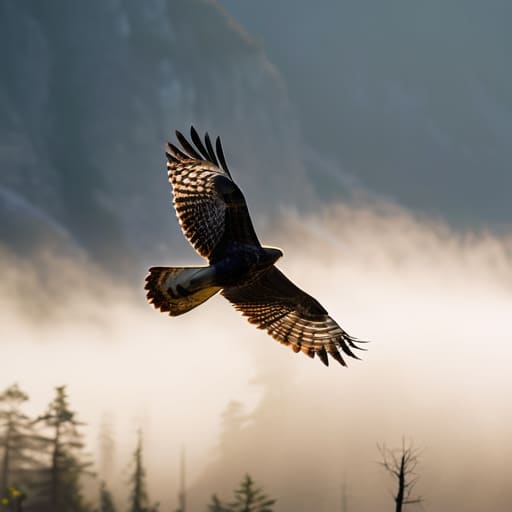
At the end of the day, identifying a raptor isn’t about memorizing a glossy textbook diagram; it is about learning to read the environment as much as the bird itself. You have to connect the silhouette against the grey light to the way the wind is lifting the thermals, and recognize that a sudden change in wing posture often tells you more than a static shape ever could. Whether you are distinguishing the heavy, steady beat of an eagle from the more frantic, agile movements of a falcon, or trying to pick a hawk out of a thickening mist, remember that patience is your most important piece of kit. Don’t rush the identification just because the light is dipping; if you aren’t sure, wait for the next pass or note the specific behavior and move on.
There is a specific kind of quiet that comes when you finally nail an identification after hours of scanning a ridgeline, but don’t let that success breed complacency. The hills don’t care how many species you’ve logged in your notebook, and they certainly won’t forgive you for staying out too late chasing a sighting. Respect the bird, but respect the daylight more. When you learn to balance that obsession with the reality of the weather and your own energy levels, you stop being just a spectator and start truly understanding the rhythm of the landscape.
Frequently Asked Questions
How can I tell the difference between a falcon and a hawk when they are just a dark silhouette against a grey, overcast sky?
When the sky turns that flat, featureless grey, stop looking for color and look for the silhouette’s “architecture.” A hawk is a heavy-set shape; its wings are broad, and when it glides, those primaries—the “fingers” at the wingtips—look blunt and wide. A falcon is a different engine entirely. It’s more angular, with longer, more pointed wings. If it’s cutting through the wind with a sharp, rapier-like silhouette rather than soaking up thermals, it’s a falcon.
Are there specific habitats or certain types of trees I should be scanning if I'm looking for nesting sites rather than just birds in flight?
Don’t just scan the open sky; look for the structural edges. If you’re hunting for nests, you need to focus on the transition zones—where the woodland meets the moorland or cliff edges. Look for old-growth conifers or sturdy, mature deciduous trees that offer both cover and a clear line of sight for hunting. I’ve spent years tracking peregrines, and they don’t want a flimsy birch; they want something that can withstand a gale without shaking the whole nest loose.
What are the best ways to use binoculars effectively when the wind is high and the light is starting to drop on a ridge?
When the wind is gusting and the light is failing, stop trying to hold the binoculars steady at arm’s length; you’ll just exhaust yourself and miss the bird. I’ve spent twenty years on these ridges, and the trick is to bring the optics to your face, not your face to the optics. Tuck your elbows tight against your ribs to create a stable tripod with your body. If the wind is truly howling, use your forehead to steady the bridge.