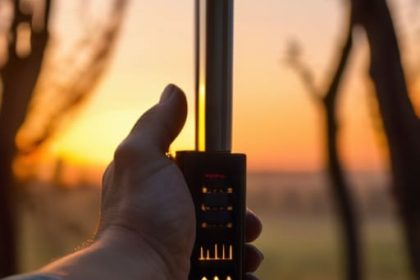
I spent three hours last Tuesday crouched in a muddy bank near the River Dee, shivering in a damp wind, only to watch a group of hikers stomp through the reeds with heavy-duty boots and shouting like they were heading to a pub quiz. They were looking for wildlife, but they were making it impossible. Most people think you need a thousand-pound lens or a specialized guide to learn how to spot otters and water mammals, but they miss the point entirely. It isn’t about the gear you carry; it’s about the silence you keep and the way you read the water before you even step foot on the bank.
I’m not here to sell you a lifestyle or a piece of kit I haven’t personally sweated in. In this guide, I’m going to give you the actual, unvarnished reality of watching these animals in the wild. I’ll tell you exactly where to look, how to move without spooking them, and which specific times of day actually matter when the light is failing. If I haven’t tested a method or a piece of glass in the field, I won’t tell you to buy it. We’re going to focus on the quiet observations that actually yield results.
Table of Contents
Reading the Riverbank Wildlife Tracking Signs
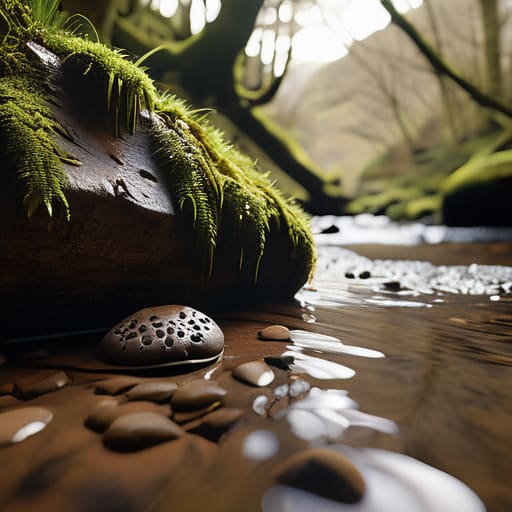
If you’re standing on a bank waiting for a splash, you’re likely going to be disappointed. Most of the work in riverbank wildlife tracking happens while you’re looking at the ground, not the water. You need to be looking for otter spraint and tracks—the distinctive, pungent droppings that act like a biological fingerprint. I’ve spent years tracking these along the edges of the Lake District, and if you can smell something fishy and earthy near a hollowed-out log or a pile of flat stones, you’re in the right place.
Don’t expect to see them in the middle of a bright, midday sun either. The best times for wildlife viewing are almost always that grey, transitional light of dawn or dusk when the riverine ecosystem is most active. I usually carry my 8×42 binoculars—I’ve used this specific pair through three seasons of heavy mist and freezing rain on the coast—but even they won’t help if you haven’t spotted the sign of a recent slide in the mud. Look for the “slips”: smooth, wet paths where an animal has transitioned from the bank into the water.
Identifying Aquatic Mammal Habitat Without Making a Scene
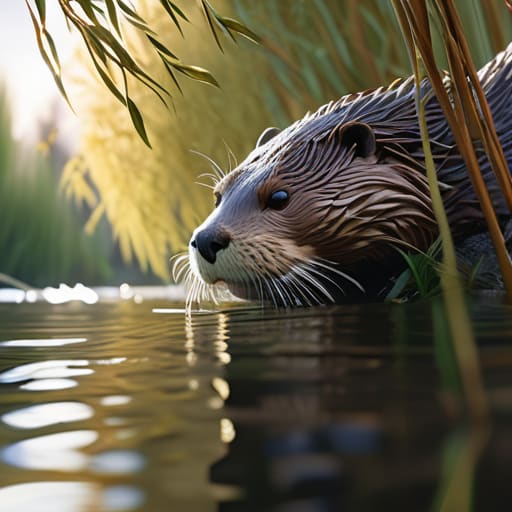
The mistake most people make is thinking they need to be right on top of the water to see anything. If you’re standing on a muddy bank, making noise and heavy footfalls, you’ve already lost. For effective aquatic mammal habitat identification, you have to learn the art of the “quiet approach.” I’ve spent many afternoons sitting perfectly still behind a stand of willow, just watching the way the light hits the reeds. You aren’t looking for a splash; you’re looking for the absence of it. If the birds go quiet or the small mammals stop their movement, something is moving through that water.
When it comes to wildlife spotting equipment, forget the massive, heavy long-range setups that make you look like a tourist on a mission. I’ve carried the Nikon Monarchs for five seasons now, through everything from damp Scottish glens to freezing river valleys, and they hold their focus without fogging when the temperature drops. You want something light enough that you don’t mind carrying it for six hours, but with glass clear enough that you aren’t squinting at a brown smudge. Patience is your real gear, though. You sit, you wait, and you let the river come to you.
Five Things to Remember Before You Step Toward the Water

- Watch the light, not just the movement. I’ve spent many a morning sitting by the Spey waiting for a glimpse of something, and if you’re staring directly into a low sun, you’ll miss the subtle ripple of an otter’s head breaking the surface. Aim to be positioned so the light is at your back or side; it makes the dark shape of a wet coat stand out against the glare of the water.
- Respect the “buffer zone.” People often think they can get close if they move slowly, but that’s an optimistic decision that usually ends with a wasted trip. If you can hear the water rushing, you’re likely too close to hear the subtle sounds an otter makes, and they’ll have sensed your presence long before you see them. Stay back, stay quiet, and let them exist in their own space.
- Don’t rely on your eyes alone; use your ears. An otter sliding into the water makes a very specific, heavy “plop” that sounds different from a fish jumping or a stone dropping. I always tell my groups to close their eyes for a minute every so often—it forces you to listen to the rhythm of the river, and that’s usually when you’ll hear the actual wildlife.
- Bring optics that won’t fail when the damp sets in. I’ve used my Nikon Monarchs in everything from driving rain in the Cairngorms to heavy mist on the coast for the last six years, and they are the only reason I don’t miss the small stuff. If you bring cheap, unsealed binoculars, the condensation will fog the internal lenses the moment the temperature drops, and you’ll be left looking at nothing but grey smears.
- Check the “scat” and the tracks, but don’t get distracted. Seeing a print in the mud is great, but don’t stand there for twenty minutes staring at a footprint while the actual animal swims right past you behind you. Use the signs to orient yourself, then get your eyes back on the water and the banks immediately.
The Cost of Being Too Loud
If you’re stomping along the bank with heavy boots and a loud mouth, you aren’t observing wildlife; you’re just a loud, intrusive part of the landscape that the otters have already decided to avoid. Real spotting happens when you stop trying to ‘find’ them and start learning how to exist quietly enough that they forget you’re there.
Bridget Halloran
A Final Word Before You Head Out
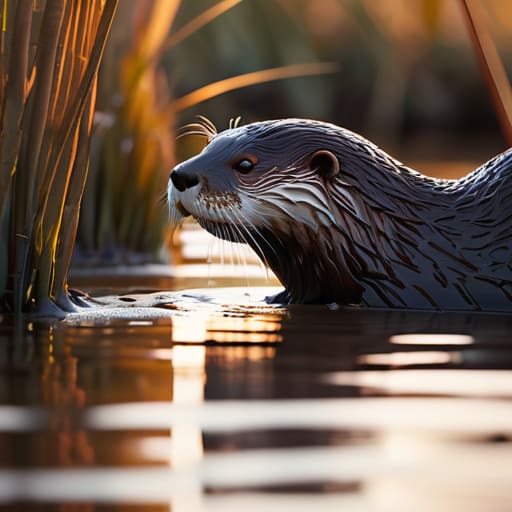
At the end of the day, spotting an otter isn’t about having the most expensive spotting scope or the flashiest waterproof jacket; it’s about patience and knowing how to read the landscape without becoming part of the problem. Remember that tracks in the mud are just as valuable as the animal itself, and if you see those distinctive sliding marks on a riverbank, you’re already halfway there. Keep your movements slow, respect the habitat boundaries we discussed, and never prioritize a photo over your own safety or the animal’s comfort. If the light is failing or the river is rising, just pack it in. The river will still be there tomorrow, but a spooked animal might not be.
There is a specific kind of quiet that settles over a riverbank just before a mammal breaks the surface, a stillness that makes all the damp socks and early starts worth it. It’s a reminder that we are merely guests in these corridors of water, and our job is to observe, not to intrude. If you manage to catch that split-second glimpse of a dark shape slipping through the reeds, take a breath and just let it be. Those small, unscripted moments of connection with the wild are exactly why we lace up our boots and head into the rain in the first place.
Frequently Asked Questions
What kind of optics should I actually carry if I want to see them without fogging up every ten minutes?
Don’t bother with those cheap, lightweight binoculars that claim to be “waterproof”; they usually just mean they can handle a light drizzle, not the heavy mist you’ll hit by the riverbank. I’ve used my Nikon Monarch M7s for five years, mostly in damp, high-humidity conditions along the Dartmoor fringes, and the nitrogen purging actually holds. If you want to see an otter without your lenses turning into opaque white discs every ten minutes, you need decent glass and proper fog-proofing.
Is there a specific time of day or light condition when they are most likely to be active near the bank?
If you’re looking for a guaranteed sighting, stop planning your trips for high noon. Most of these animals, especially otters, operate on a schedule that avoids the midday glare. I’ve found the “golden hours”—just before dawn and the hour before dusk—are when the activity peaks. The low light helps them feel secure, and it’s much easier for you to spot a ripple in the water without the sun reflecting off the surface and blinding you.
How can I tell the difference between otter tracks and other small mammals in muddy or wet terrain?
The biggest mistake people make is assuming every small, four-toed print in the mud is an otter. They aren’t. If you’re looking at a muddy bank, watch for the “spraint” too—their droppings are the real giveaway. An otter track is distinctively long and narrow, almost like a human hand with fingers splayed, whereas a water vole or even a large rat will look much more compact and frantic. If the print looks symmetrical and purposeful, it’s likely an otter.