I was standing on a sodden ridge in the Cairngorms back in 2012, my fingers so numb I could barely grip my pen, trying to scribble down the exact location of a peregrine nest before the light failed completely. Most people think that learning how to record wildlife sightings usefully requires a five-hundred-pound spotting scope or a high-end DSLR that’ll just end up getting battered in your rucksack. They think it’s about the glamour of the photograph, but a blurry, uncontextualised snap of a buzzard is essentially useless to anyone actually trying to track population shifts. If you haven’t noted the wind direction, the specific habitat, or the exact time of day, you haven’t actually recorded a sighting; you’ve just taken a pretty picture.
I’m not here to sell you on expensive gadgets or complicated apps that drain your battery when the temperature drops. Instead, I want to talk about the boring, essential details—the kind of data that actually matters to researchers and long-term observers. I’ll show you how to build a reliable log using nothing but a waterproof notebook and your own eyes, focusing on the specific variables that turn a casual observation into meaningful data.
Table of Contents
Refining Species Identification Accuracy in Shifting Weather
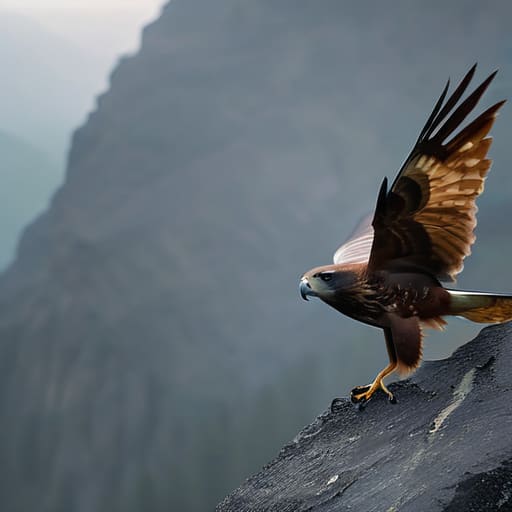
When the wind picks up or the visibility drops to twenty metres, your ability to be certain about what you’re looking at plummets. I’ve spent many afternoons on the high ridges where a Peregrine looks, for a split second, exactly like a Merlin because of the light and the sheer speed of the bird. In those moments, the temptation is to guess and move on, but that is where you fail the data. If you cannot be sure of the species, do not force it. Instead, focus on the diagnostic features you can actually see—the wing shape, the flight pattern, or the silhouette—and record those as descriptors rather than a definitive name.
Improving your species identification accuracy in these conditions means leaning into what you know for a fact. If you are using platforms like eBird or iNaturalist, it is better to upload a “not identified” note with a description of the habitat and weather than to provide a false positive. This approach is a core part of reliable ecological data collection methods; researchers can work with a “possible” sighting, but they can’t do much with a wrong one. When the weather turns, your priority shifts from being a collector to being a witness.
Effective Ecological Data Collection Methods for Tired Hands
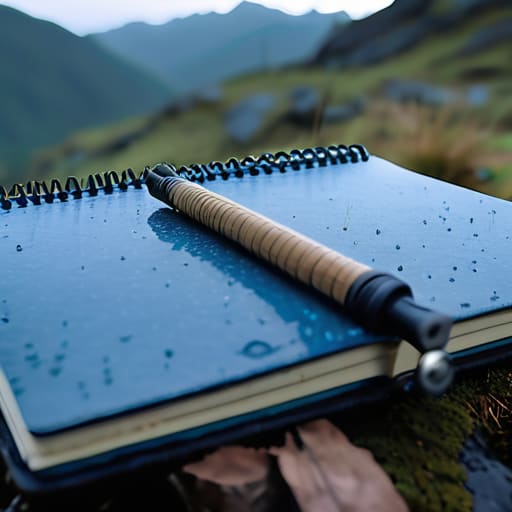
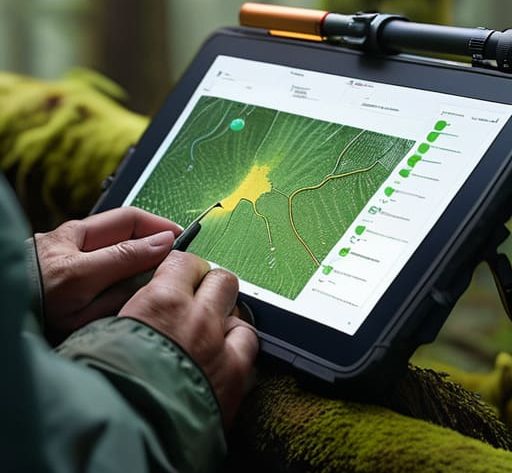
By the time you’ve been on the ridge for six hours and the temperature has dropped five degrees, your fine motor skills aren’t what they were at breakfast. I’ve spent many a freezing afternoon trying to type a species name into a phone with numb, clumsy fingers, only to end up recording a ‘common sparrow’ when it was clearly a stonechat. When you are exhausted, you need to simplify your wildlife observation protocols to avoid errors. Don’t try to write a dissertation in the field. Instead, use voice memos or quick, shorthand notes in a waterproof notebook—something like a Rite in the Rain—and save the heavy lifting for when you’re back by the stove with a hot drink.
If you are aiming at contributing to conservation research, precision matters more than volume. It is better to record three certainties than ten guesses. If you can’t be sure of the subspecies because your eyes are playing tricks in the twilight, just record the family and the habitat. I’ve found that using eBird and iNaturalist best practices—like taking one clear photo and noting the exact time—is far more effective than trying to fill out a complex digital form while your hands are shaking from the wind.
Five ways to make your notes actually matter when you get home
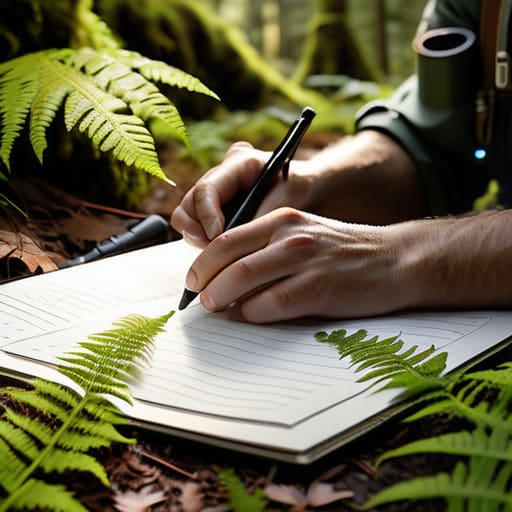
- Stop relying on your memory for the “small stuff.” I’ve seen too many people record a Peregrine sighting but forget to note if it was hunting or just perched. Ten years of keeping a raptor log has taught me that the behavior is often more important than the bird itself. If you aren’t noting the action, you’re just making a list, not collecting data.
- Carry a notebook that doesn’t turn into a pulp the moment the clouds break. I’ve used the same Rite in the Rain field book for six years, through three different seasons of heavy mist and sleet in the Lake District, and it’s the only reason my notes from 2018 are still legible. If you’re using a standard paper diary, you’re asking for a mess that will be unreadable by the time you reach the pub.
- Record the habitat, not just the creature. Seeing a Red Kite is one thing; seeing a Red Kite over a managed coniferous plantation versus an open moorland tells a completely different ecological story. I always make sure to jot down the specific ground cover—even if it’s just “wet heather” or “bracken”—because that context is what researchers actually need to track shifting populations.
- Use your GPS, but don’t let it become a crutch. A coordinate is great, but if you’re moving fast or the signal is bouncing off a ridge, it can be off by fifty meters. I always cross-reference my digital pings with a quick mental note of the terrain—”north face of the crag” or “sheltered hollow”—because a point on a map doesn’t tell you why the animal was there in the first place.
- Learn to recognize when you are too tired to be accurate. I’ve spent many evenings walking back in the dark, feeling that heavy, bone-deep fatigue, and I’ve learned to stop trying to make definitive identifications when my brain is fried. If you aren’t sure, write down “cf. [species]”—which is Latin for ‘compare to’—and leave it at that. An educated guess is helpful; a confident mistake is just bad science.
The Cost of a Bad Note
A sighting without context is just a vanity project; if you haven’t noted the wind direction, the cloud ceiling, or the fact that you were shivering too hard to check your field guide, you haven’t actually recorded data, you’ve just recorded a memory.
Bridget Halloran
The Long View
At the end of the day, useful data isn’t about having a perfect, high-resolution library of every creature you encounter; it’s about the context you wrap around them. Whether you are squinting through a spotting scope in a gale or fumbling with a notebook while your fingers are numbing in the shade, remember that the environmental variables are just as important as the species itself. Accurate identification, noting the specific terrain, and recording the weather conditions are what turn a casual observation into something a researcher can actually use. If you can only manage to write down the time, the location, and the bird’s behavior before the light fails, do that. Quality over quantity is the rule I live by, especially when the wind is picking up and the temperature is dropping.
We often think of birdwatching or wildlife spotting as a pursuit of the spectacular, but the real value lies in the quiet, consistent patterns we track over years. My own raptor logs from the last fifteen years aren’t filled with grand discoveries, but with the steady, unglamorous details that show how a landscape is actually breathing. When you take the time to record things properly, you aren’t just checking a box; you are contributing to a living map of our changing world. It might feel tedious when you’re soaked to the bone and trying to find your way back to camp, but that effort is exactly how we ensure these habitats remain worth protecting long after we’ve headed home.
Frequently Asked Questions
If I'm out in a proper gale or horizontal rain, is it actually worth trying to scribble notes, or should I just wait until I'm back at the bothy?
If you’re in a proper gale, stop. Trying to scribble in a notebook while the wind is trying to peel your shell off is a recipe for a lost pen and a miserable afternoon. I’ve spent too many hours shivering in the rain trying to force a pencil onto paper. Instead, use a voice memo on your phone or just snap a quick, messy photo. Get back to the bothy, get dry, and then transcribe it properly.
What’s the best way to log a sighting when I can't get a clear photo because the light is failing or the bird is moving too fast?
Stop chasing the perfect shot; you’ll end up with a blurry smudge and a missed window of daylight. When the light fails, switch to a mental checklist: shape, silhouette, and flight pattern. I’ve spent many evenings in the Cairngorms where the only thing I could reliably record was the cadence of a wingbeat or the specific shade of a rump patch. Write down the behavior and the direction of travel immediately. A detailed note beats a useless photo every single time.
How much detail do I actually need to include for a sighting to be useful to someone else, and when am I just wasting time?
If you’re just noting “a buzzard near the ridge,” you’re wasting your time and mine. For a sighting to matter, I need the where, the when, and the what else. If you saw a peregrine, I need to know if it was hunting or nesting, and what the wind was doing. If you can’t record the specific perch or the weather conditions, don’t bother writing it down; it’s just noise in the data.