I remember standing on a scree slope in the Cairngorms, the wind cutting through my layers, watching a golden eagle circle a crag. A group of hikers nearby were practically tripping over their trekking poles, trying to scramble closer with their phones out, convinced that a better zoom lens was the only way to get the shot. They were treating the encounter like a zoo exhibit, completely oblivious to the fact that they were encroaching on a nesting site and, more importantly, making themselves unpredictable. Most people think learning how to safely watch large or dangerous animals is about buying the most expensive telephoto lens or reading a glossy guidebook, but it’s actually about something much more boring: spatial awareness and reading the air.
I’m not here to sell you on high-tech gadgets or give you a list of “fun facts” you could find on a museum plaque. I want to talk about the reality of being in the same space as a predator—the subtle shifts in wind, the way a landscape changes when an animal feels cornered, and knowing exactly when to turn around. I’ll give you the practical, unvarnished truth about distance and decision-making based on twenty-two years of watching things from a distance, and more importantly, watching people make mistakes.
Table of Contents
Wildlife Observation Protocols for When the View Gets Too Close
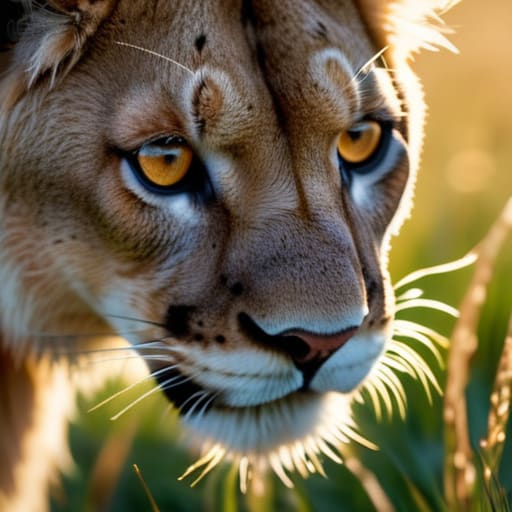
When you’re staring through a lens, the world shrinks down to a single frame, and that’s exactly when things go sideways. I’ve sat in too many damp valleys watching people miss the subtle cues because they were too focused on their shutter speed. Real interpreting animal body language isn’t about reading a textbook; it’s about noticing the sudden stillness, the flattening of ears, or that heavy, focused stare that tells you you’re no longer an observer, but a target. If the animal stops what it’s doing to look at you, you’ve already breached the buffer zone.
Effective wildlife observation protocols aren’t about being a coward; they’re about maintaining a margin for error. I always tell my groups that the distance you think is safe is usually about half of what it actually needs to be. If you’re trying to get that perfect shot, don’t rely on a zoom lens to fix a bad position. If you can see the whites of their eyes, you are too close. Give them the space to ignore you, because the moment they feel they have to move because of your presence, the encounter has shifted from observation to a confrontation.
Interpreting Animal Body Language Before the Mood Shifts
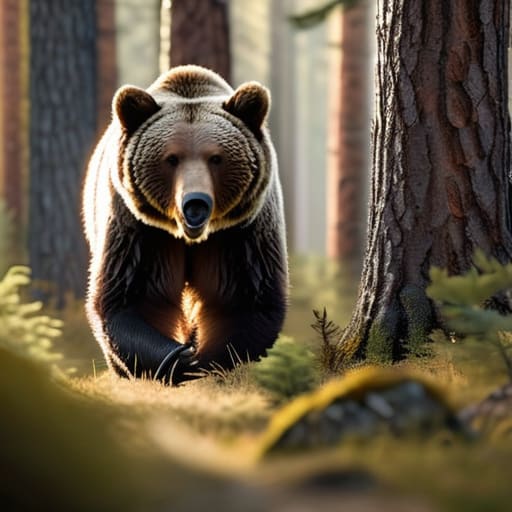
The problem with most people is they see a beautiful animal and immediately think about the photo, completely ignoring the fact that the animal is currently reading them like an open book. Interpreting animal body language isn’t about reading a textbook; it’s about noticing the subtle shift from curiosity to irritation. If you’re watching a large mammal and it stops its current activity—grazing, resting, or moving—to stare directly at you, that’s your first warning. A sudden freeze or a low, guttural sound isn’t a performance for your benefit; it’s a boundary being set.
I’ve spent years tracking raptors and larger predators, and the most dangerous moment is always the one where you miss the pre-aggression cues. If a creature begins to flatten its ears, lower its head, or pivot its weight toward you, you have already missed the window for a polite exit. You aren’t looking for a sudden charge; you are looking for the tension that precedes it. Most incidents of failed wildlife encounter prevention happen because someone was too busy adjusting a lens to notice the animal had stopped being a subject and had started being a threat.
Five Hard Rules for Staying on the Right Side of the Encounter
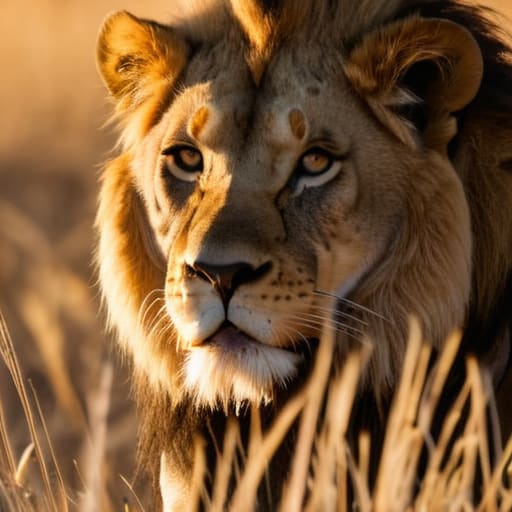
- Pack for the animal, not just the scenery. I’ve carried the same Osprey Talon pack for six years through everything from sleet to mid-summer heat, and it’s taught me one thing: if you’re fumbling with a heavy, poorly balanced bag while a predator is tracking you, you’ve already lost. Keep your kit streamlined so you can move, not just stand there looking like a target.
- Respect the “buffer zone” more than the guidebook says. A guidebook might say stay 50 metres away from a bull elk, but if that animal stops grazing and fixes its eyes on you, 50 metres is already too close. I’ve seen people get caught because they were too busy adjusting a lens to notice the animal had stopped being a part of the landscape and started being a threat.
- Never rely on a single piece of tech for situational awareness. I use a Garmin inReach every single time I head into remote territory—I’ve had it on my hip through three seasons of heavy mountain use—but a GPS won’t tell you if a bear is stepping out from behind a cedar tree. Use your eyes first, your ears second, and your gadgets only when you actually need to call for help.
- Manage your noise, but don’t be silent. You want to announce your presence so you don’t startle something into a defensive charge, but you also need to be able to hear the snap of a branch or the heavy breathing that tells you something is moving parallel to you. I usually keep a steady, low-level chatter going when moving through thick scrub, but the moment things go quiet, I stop and listen.
- Know your exit strategy before you see the animal. Before I even step off the trailhead, I look at the terrain and decide which way I’m running if things go sideways. If you find yourself cornered between a steep scree slope and a thicket of gorse because you were too focused on a bird of prey, you’ve made a very bad decision. Always ensure your path back to safety is as clear as your view of the animal.
The Cost of a Better View
I’ve spent twenty years watching people trade their safety for a slightly better angle on a nesting raptor or a grazing stag, and the math never works out; a photo is never worth the split-second it takes for an animal to decide you’re no longer a spectator, but a threat.
Bridget Halloran
The Margin for Error
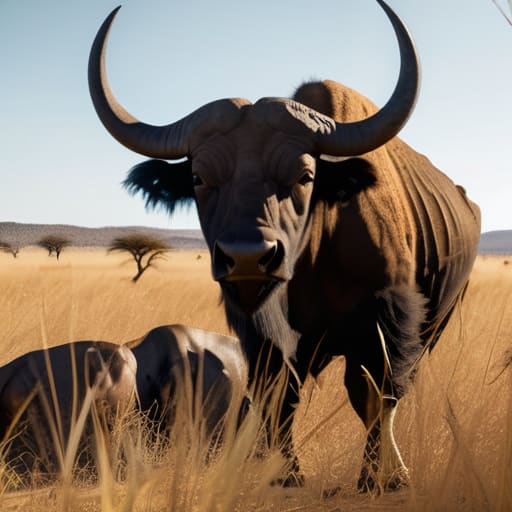
At the end of the day, respecting wildlife isn’t about being afraid; it’s about recognizing that you are a guest in a space where the rules of engagement are written by the animals, not by us. You need to keep your distance, read the subtle shifts in their posture before they become aggressive displays, and—most importantly—be prepared to walk away the moment things feel off. I’ve spent two decades watching people make the mistake of prioritizing a better photograph over their own safety, and once that line is crossed, there is no easy way to undo the decision. Whether it’s a heavy-set mammal or a raptor defending a nest, your survival depends on your ability to interpret the environment and act on your instincts before the situation escalates.
There is a specific kind of quiet that comes with observing a wild animal from a safe, respectful distance—a moment where the world feels incredibly large and you feel incredibly small. If you do things right, you get to witness something profound without leaving a scar on the landscape or a tragedy in your wake. Don’t let a single optimistic decision turn a beautiful encounter into a rescue mission. The goal isn’t just to see the wildlife; it’s to ensure you are still standing there to see it again tomorrow. Keep your eyes sharp, your gear ready, and always respect the boundary.
Frequently Asked Questions
What’s the actual difference between a predator that’s just curious and one that’s deciding I’m a problem?
Curiosity looks like a pause—a head tilt, a momentary stop in their stride, or a slow approach that keeps a respectful distance. They’re gathering data. The shift to “problem” mode is much more deliberate. It’s when the movement stops being exploratory and starts being directional. If they stop sniffing the air and start fixing their gaze on you, or if they begin to lower their head and change their gait, they aren’t curious anymore. They’re assessing you as a threat or a target. That’s when you stop moving and start thinking about your exit.
If I’m caught in a corner with no clear exit route, what’s the first thing I should do to avoid escalating the situation?
First, stop moving. Any sudden movement or attempt to scramble past them is a threat, not an escape. If you’re cornered, you need to de-escalate by making yourself small but visible. Don’t stare—that’s a challenge—but don’t look at the ground either. Keep your eyes on their movements, back away slowly without turning your back, and try to find a way to put an object, like a pack or a fallen branch, between you.
How do I know if the distance I've chosen is actually safe, or if I'm just being optimistic about how much space that animal really needs?
You’ll know you’ve messed up when the animal stops what it’s doing to look at you. If a grazing deer or a resting bear breaks its rhythm to track your movement, you’ve already encroached. I’ve seen too many people standing still, thinking they’re being “stealthy,” when in reality they’ve just become a curiosity or a threat. If the animal’s head is up and its ears are locked on you, you aren’t observing; you’re intruding. Back off.