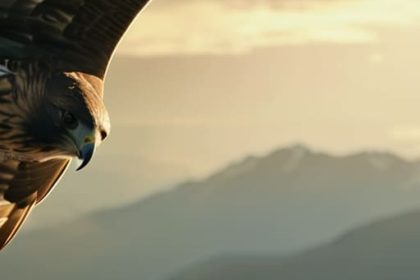
I remember standing on a scree slope in the Cairngorms back in 2012, watching a group of hikers freeze in excitement because they’d spotted a golden eagle. They thought they were being respectful, but they were actually crowding the line, moving closer and closer with their phones held high, completely oblivious to the fact that the bird had stopped hunting and was now just watching them with pure agitation. Most people think they’re being careful, but there is a massive difference between being a quiet observer and being an intruder. Learning how to watch wildlife without disturbing it isn’t about buying a thousand-pound lens or wearing high-tech camouflage; it’s about understanding the invisible boundaries that exist between us and the things we’re trying to see.
I’m not here to sell you on expensive gadgets or tell you that you need to be a professional ornithologist to enjoy the hills. I’m going to give you the unfiltered reality of what it actually takes to be a silent presence in the landscape. We’ll talk about reading the wind, managing your noise, and knowing exactly when it’s time to turn around and walk away. This is about practical, field-tested habits that respect the animals and, more importantly, keep you from becoming the reason a nesting pair fails.
Table of Contents
Observing Animals in Their Natural Habitat Without Being Noticed
The biggest mistake I see is people treating a landscape like a stage set where the animals are just props. If you’re moving too fast or talking too loud, you aren’t observing; you’re intruding. To truly master observing animals in their natural habitat, you have to learn the art of being boring. Sit down, stay still, and let the landscape settle around you. I’ve spent hours sitting on damp peat, just watching the light change, and it’s usually only after twenty minutes of absolute stillness that the real movement begins.
If you want to get close without causing a scene, invest in a decent pair of optics rather than trying to physically close the gap. Using binoculars for wildlife viewing allows you to see the fine details—the flick of an ear or the tension in a bird’s wings—without ever crossing that invisible line of comfort. Keep a sharp eye out for signs of animal stress, like sudden freezing, frantic grooming, or rapid tail flicking. If the animal notices you and changes its behavior, you’ve already gone too far. Turn back or settle down; the goal is to be a ghost, not a guest.
Using Binoculars for Wildlife Viewing Instead of Getting Close
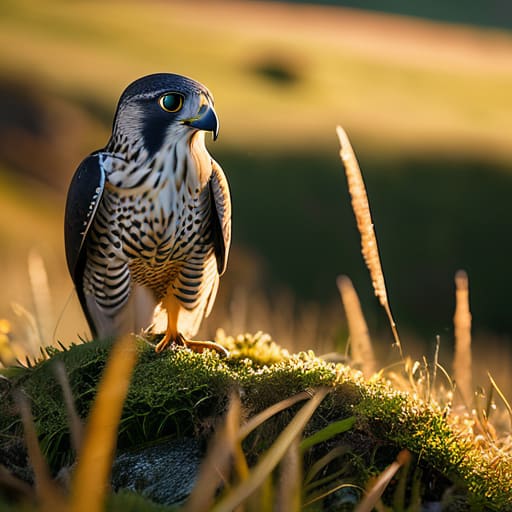
If you’re trying to get a clear view of a kestrel or a nesting peregrine, your instinct will be to move closer to fill the frame. Resist that. I’ve spent two decades watching birds react to human presence, and the shift in their behavior is often subtle until it isn’t. You might think you’re being quiet, but using binoculars for wildlife viewing allows you to maintain a respectful buffer that prevents the bird from feeling the need to defend its territory or abandon a nest. If you see a bird repeatedly circling or looking directly at you with agitated movements, those are clear signs of animal stress. At that point, you’ve already gone too far.
I’ve carried the Nikon Monarch 5 for about six years now, through everything from damp Lakeland mornings to gale-force winds on the Cairngorms. They weigh about 560g, which is negligible when you’re on a long trek, and the glass remains clear even when the mist starts rolling in. Relying on decent optics is the backbone of wildlife viewing etiquette; it turns a distant, blurry shape into a specific individual without you ever having to break the silence of the landscape.
The Subtle Art of Not Ruining the Moment
- Master the approach by moving during natural breaks in sound; if a bird stops singing or a squirrel freezes, you’ve already crossed the line and need to back off immediately.
- Learn to read the wind direction so your scent isn’t being delivered straight to the animal’s nose, because even the most cautious hiker smells like laundry detergent and sweat to a wary fox.
- Keep your silhouette low and avoid sudden, jerky movements; I’ve spent many a damp morning crouching behind a gorse bush for forty minutes just to see a peregrine settle, and if you stand up too fast, you’ve lost the chance.
- Ditch the bright, technical gear for muted colours; I’ve carried the same battered olive-green shell for six years through every gale in the Lake District, and I can tell you that being a bright orange dot on a grey ridge is the fastest way to scare off everything in sight.
- Respect the “flight zone”—that invisible bubble around an animal—and if you see them start to look towards you with tension in their posture, you are too close, regardless of how good your zoom lens is.
The Cost of a Close Look
I’ve spent twenty years watching people trade a bird’s sense of safety for a five-second photo, and they don’t realize that the moment that animal stops feeding or flies off, the experience is already over. If you have to move closer to see it, you’ve already lost the real encounter.
Bridget Halloran
The Quiet Reality of the Hills
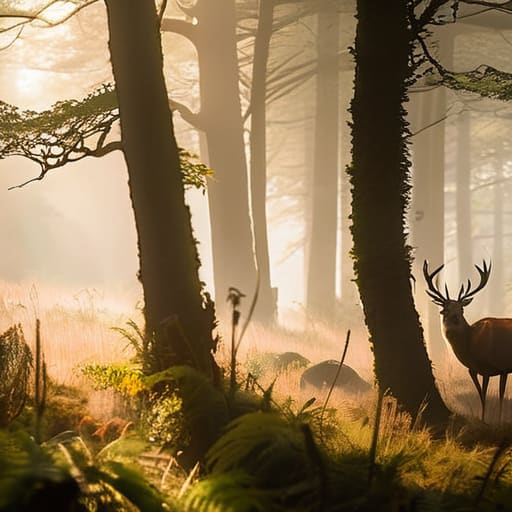
At the end of the day, watching wildlife isn’t about the trophy photo or being close enough to feel their breath; it’s about the discipline of staying back. Whether you are using high-quality glass to bridge the gap or simply learning to read the wind so your scent doesn’t carry, every choice you make matters. It comes down to managing your noise, respecting the nesting boundaries I’ve spent twenty years logging, and having the sense to walk away when the animals start showing signs of stress. If you find yourself moving closer to get a better look, you’ve already lost the moment. The goal is to be a ghost in the landscape, leaving nothing behind but your own footprints and zero impact on the rhythm of the hills.
There is a specific kind of stillness that comes when you finally stop fighting the terrain and start listening to it. It’s in those quiet, unremarkable minutes—the ones where you aren’t rushing to a summit but are instead sitting still in the damp grass—that the real world reveals itself. When you stop treating the outdoors like a stage for your own adventure and start treating it like a home that isn’t yours, the rewards are far greater than any selfie. Respect the distance, keep your eyes sharp, and remember that the most profound sightings are often the ones that happen when you aren’t even trying to be seen.
Frequently Asked Questions
How do I know if I've already gone too far and am stressing a bird out, especially if it hasn't flown away yet?
If they haven’t flown, they haven’t “won” yet. Watch for the subtle signs: a bird that stops feeding, starts scanning you instead of the ground, or shifts its weight nervously. If it’s a raptor and they’re staring directly at you, you’ve crossed the line. I’ve spent years logging nest activity, and the most dangerous thing you can do is mistake a bird’s stillness for comfort. It’s usually just tension. If the behavior changes, you turn back.
Is there a specific way to manage my group's noise levels when we're moving through sensitive nesting areas?
When you’re moving through a nesting area, you aren’t just managing noise; you’re managing momentum. I always tell my groups: if you’re chatting, you’re probably too loud. Stop, listen, and let the silence settle. One person’s sudden laugh can trigger a nesting failure. I’ve seen birds abandon scrapes because a group treated a sensitive ridge like a pub garden. Move steadily, keep voices to a low murmur, and if the birds start calling at you, it’s time to turn back.
When the weather turns and visibility drops, is it better to stay put or move to a different vantage point to avoid disturbing wildlife?
If the visibility drops and the wind picks up, stay put. Moving to a “better” vantage point usually means more noise, more scent, and more frantic movement—all of which trigger a flight response. I’ve spent many a grey afternoon huddled under a ledge waiting for a storm to pass; the birds do the same. Unless you are in immediate physical danger, the most respectful thing you can do is become part of the landscape and wait.