I remember standing on a ridge in the Cairngorms back in 2012, watching a group of hikers try to “outsmart” a sudden deluge by huddling under a single, undersized tarp that was doing nothing but catching the wind like a sail. They were shivering, soaked to the bone, and convinced that if they just bought a more expensive technical shell, the misery would vanish. That is the great lie of the outdoor industry: that gear solves everything. Learning how to camp in rain isn’t about owning a three-hundred-pound jacket; it’s about understanding moisture management and the specific, often boring, logistics of staying dry when the wind is howling through your flysheet.
I’m not here to sell you on the latest “revolutionary” waterproof membrane that hasn’t been tested in a real gale. Instead, I’m going to give you the practical, unvarnished reality of managing a wet site. I’ll tell you exactly how I set up my shelter after ten years of sleeping in sodden peat, which specific layers I’ve actually relied on during three-day downpours, and—most importantly—when to pack up and head home.
Table of Contents
Choosing Waterproof Camping Gear That Actually Holds Up
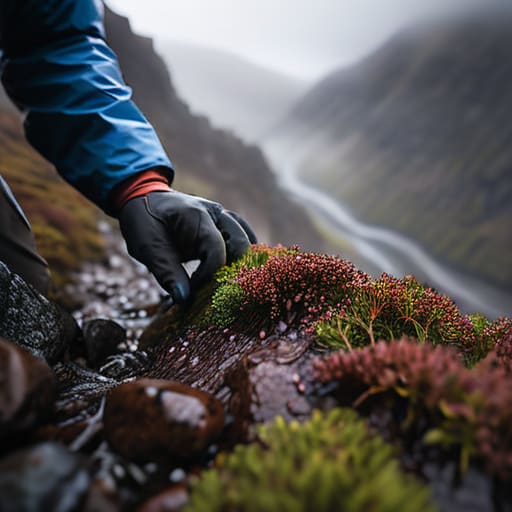
When you’re looking at waterproof camping gear, ignore the marketing fluff about “breathability” and look at the actual hydrostatic head rating. I’ve spent the last four days in the Cairngorms with a constant, driving mist, and I’ve learned that a jacket that feels fine in a stroll through the woods becomes a plastic bag once your heart rate climbs on a steep ascent. If you can’t move without feeling like you’re boiling inside, you’ve failed. I use my Arc’teryx Beta AR in everything from heavy sleet to gale-force winds, and after three seasons of hard use, the membrane hasn’t delaminated once, but you have to treat it regularly to keep it working.
The real battle, however, isn’t just staying dry; it’s managing moisture in tents so you don’t wake up in a puddle of your own condensation. I’ve spent many a night in a lightweight single-wall shelter, and if you don’t have a proper rain shelter setup—something to direct runoff away from your vestibule—you might as well be sleeping in a sponge. I’ve also found that keeping your sleeping bag dry isn’t just about the tent fly; it’s about using a dry bag for everything, even the stuff you think is safe.
Rain Shelter Setup Strategies for When the Sky Breaks
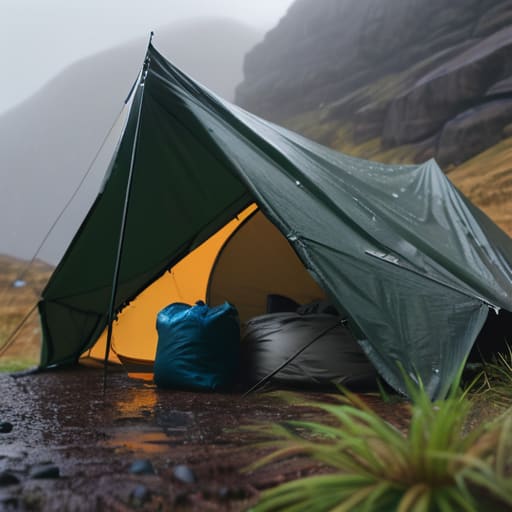
If you’re relying solely on a double-walled tent to keep you dry, you’re already making a mistake. When the wind picks up and the rain turns horizontal—the kind of weather that makes you regret every choice you made at the trailhead—a tent becomes a closed box where condensation builds faster than you can vent it. I’ve spent many a night in the Cairngorms realizing that managing moisture in tents is less about the fabric and more about the airflow. I always carry a lightweight silnylon tarp as a secondary layer; I’ve used my current 3×3 setup in everything from steady drizzle to full-blown Atlantic gales over the last four seasons, and it’s the only thing that keeps the “splash zone” around the entrance under control.
Effective camping tarp configurations can be the difference between a restful night and a damp, miserable slog. I prefer an A-frame setup pitched well above the tent fly to create a dry vestibule for boots and wet layers. This creates a buffer zone that prevents rain from driving directly into your living space. Most importantly, this setup is your primary defense for keeping your sleeping bag dry; if you can keep the immediate microclimate around your sleeping area ventilated and shielded from direct spray, you won’t wake up feeling like you’re sleeping in a sponge.
The Small Details That Stop a Wet Night From Becoming a Miserable One
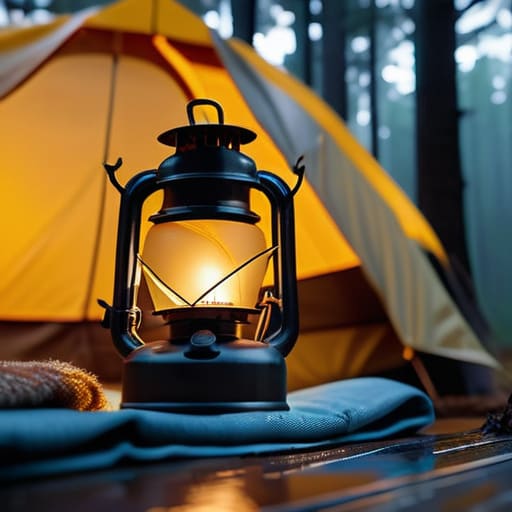
- Manage your internal moisture before it’s too late. I’ve spent far too many nights shivering in a damp sleeping bag because I kept my base layers on after a heavy scramble up a ridge. The moment you stop moving and reach your pitch, strip off the sweaty layers and put on dry, dedicated sleep clothes. I’ve used the same merino wool set for four years now, through countless soaked treks, and if it isn’t bone-dry when you crawl in, you’ve already lost the battle.
- The “Dry Bag” Rule is non-negotiable. Don’t just trust your pack cover; those things are useless in a sustained downpour. I pack my sleeping bag, my spare socks, and my down jacket in separate, heavy-duty dry bags inside my rucksack. I’ve seen people rely on a single waterproof liner only to find their gear damp by morning because the condensation built up inside the bag itself.
- Don’t pitch in the hollows. It’s a common mistake when you’re tired and the rain is coming down sideways. Water follows the path of least resistance, and that path is usually the bottom of the depression you just decided to call home. I always look for slightly elevated, well-draining ground, even if it means a bit more work with the pegs. A little extra effort during setup saves you from waking up in a puddle at 3:00 AM.
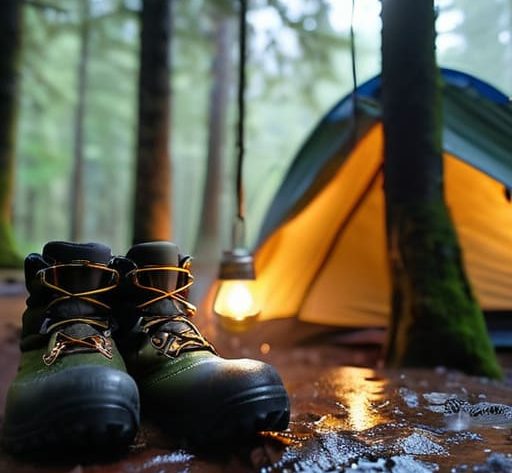
- Keep your boots outside the tent, but under the flysheet. I used to bring my boots inside the vestibule to keep them close, but that just introduced a massive amount of moisture into my sleeping area. I’ve learned to tuck them right under the edge of the rainfly or even inside a heavy-duty rubbish bag near the entrance. It keeps the mud out and the moisture from evaporating into your sleeping bag.
- Check your stove’s reliability before the clouds roll in. There is nothing quite as demoralizing as trying to boil water for a hot drink in a gale while your hands are numb. I’ve used my MSR WhisperLite in everything from light drizzle to horizontal sleet in the Cairngorms, and it’s dependable, but you need to ensure your fuel canisters are protected from the direct spray. A warm drink is often the only thing that keeps your core temperature from dipping when the wind picks up.
The Cost of Optimism
Most people think camping in the rain is about fighting the weather, but it’s actually about managing your own decisions. You’ll find that the difference between a damp night in a dry bag and a miserable, hypothermic disaster is usually just one optimistic choice made three hours earlier—like deciding to push for the ridge when you could see the clouds bruising the horizon.
Bridget Halloran
The Final Decision
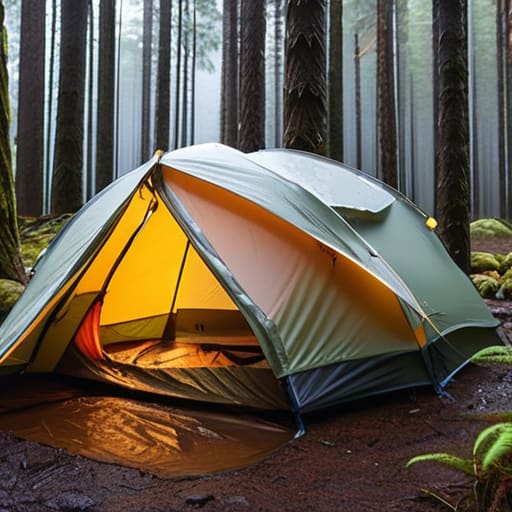
At the end of the day, camping in the rain isn’t about fighting the weather; it’s about managing your own response to it. It comes down to having the right layers that won’t trap your sweat, a shelter setup that actually directs water away from your sleeping bag, and—most importantly—the discipline to not ignore the warning signs. I’ve spent twenty years watching people try to power through a storm because they didn’t want to “ruin” their trip, only to end up shivering in a damp tent three hours later. If your gear is failing or the wind is picking up faster than the forecast predicted, the most professional thing you can do is turn back or change your plan.
There is a specific kind of quiet that comes with being in a tent while the rain lashes against the flysheet, and if you’re prepared, it’s actually quite profound. But that peace is a privilege earned through preparation, not something you can stumble into by being optimistic about a heavy cloud bank. Respect the moisture, respect the wind, and never underestimate how quickly a damp afternoon can turn into a survival situation. If you do the boring work of checking your seals and layering properly before you leave the car, the rain becomes part of the landscape rather than an enemy you’re losing to.
Frequently Asked Questions
How do I stop my sleeping bag from getting damp from the condensation inside the tent when it's raining outside?
It’s usually not the rain getting in; it’s your own breath. I’ve spent twenty nights in a damp single-wall tent during April deluges, and if you zip those vents shut to stay “cosy,” you’re just trapping a cloud inside with you. Keep the vents open, even if it feels drafty. Also, don’t sleep directly on the tent floor. Use a decent mat with an R-value you actually trust; otherwise, the ground will suck the warmth—and the moisture—right out of you.
At what point does the wind speed make it unsafe to keep the tent pitched on a ridge?
There isn’t a single number on a Beaufort scale that triggers a retreat, but for me, it’s about the sound and the strain. If the wind is gusting enough to make your tent fabric sound like a drum skin or start pulling at the pegs, you’re in the danger zone. I’ve seen lightweight silnylon tents shredded in 40mph gusts on a ridge. If you can’t find a lee or the pitch feels unstable, get down. The tent isn’t worth the risk.
If I'm hiking through heavy rain to reach the site, should I change into dry clothes immediately or wait until I've actually set up the shelter?
Wait until the shelter is up. If you try to strip down while standing in the wind or under a leaking tarp, you’ll lose your core temperature faster than you can zip a fleece. I’ve seen people shivering uncontrollably because they prioritised dry skin over a stable environment. Get the footprint down, get the flysheet tensioned, and only once you’re truly enclosed should you peel off those damp layers. Protect the microclimate first.