I remember standing on a sodden ridge in the Cairngorms, watching a client stare at a perfectly clear stream with a look of pure, misguided confidence. They were about to drink straight from it because “it looks clean,” ignoring the fact that a sheep had likely used that exact bank as a toilet twenty minutes earlier. Most people think knowing how to source and treat water is about buying the flashiest, most expensive UV purifier on the market, but that’s a dangerous way to think. Real water security isn’t about the gadget; it’s about understanding the unseen reality of the landscape you’re walking through.
I’m not here to sell you on a brand or repeat a marketing brochure. I’m going to tell you what actually works when you’re exhausted, shivering, and staring at a silty puddle that looks more like chocolate milk than a life source. I’ll break down the weight, the reliability, and the specific conditions under which different methods fail. This is the unvarnished truth about how to find and purify water so that your next trip ends with a view, not a bout of Giardia.
Table of Contents
Spotting Biological Contaminants in Wild Water Before You Sip
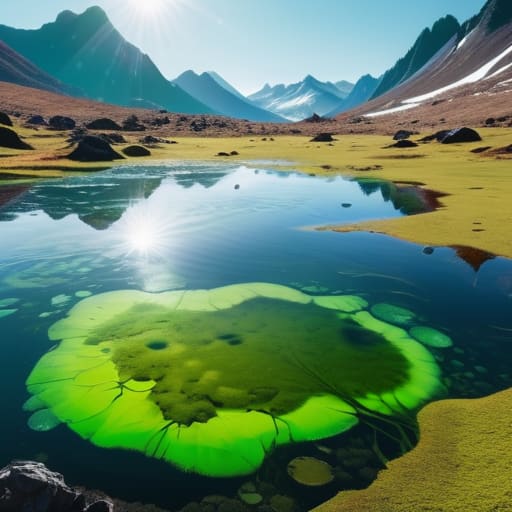
You can’t always rely on a clear view to tell you if a stream is safe. I’ve seen plenty of mountain tarns that look like polished glass but are actually teeming with biological contaminants in wild water because of livestock grazing higher up the catchment. If you see a patch of bright green algae or a film of oily residue on the surface, walk on. That’s not just “nature”; it’s often a sign of stagnant water or high nutrient runoff that no basic filter is going to fix.
Watch the movement, too. If the water is sitting still, it’s a risk. I’ve spent years tracking bird movements and noticing how certain areas near heavy nesting sites can end up with high concentrations of waste in the runoff. If you find yourself in a position where you have to rely on survival water procurement from a slow-moving pool, you need to be twice as cautious. Even if the water looks pristine, if there’s any sign of animal presence—scat, tracks, or even just the smell of musk—treat it as contaminated. Your eyes can lie to you, but the microbes won’t.
Survival Water Procurement When the Forecast Fails You
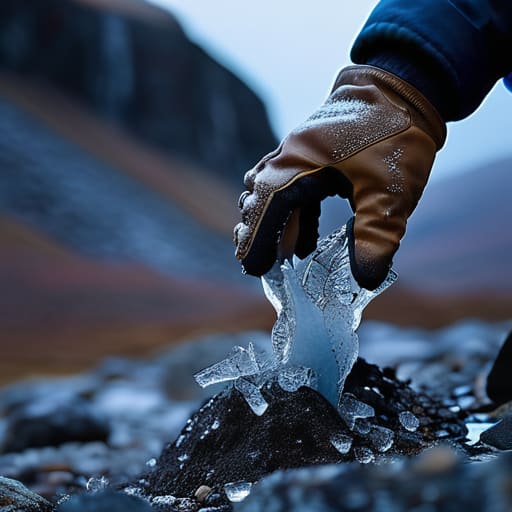
When the plan falls apart—usually because a descent took two hours longer than the map suggested or a sudden freeze has turned a stream into a trickle—you stop looking for the easy way and start looking for the possible way. Survival water procurement isn’t about finding a pristine spring; it’s about managing your dwindling reserves while navigating terrain that is increasingly hostile. I’ve been caught in that exact position on a late-season traverse in the Cairngorms, where the only moisture was trapped in a patch of melting snow or a slow-moving, silty seep.
If you find yourself scraping the bottom of your bladder, your priority shifts from convenience to absolute necessity. I’ve used the Katadyn BeFree for three seasons of heavy trekking, and while it’s excellent for standard trips, it can struggle with the heavy sediment found in emergency meltwater. In these high-stakes moments, boiling water for safety remains the only method I truly trust if your filtration gear fails or becomes clogged with silt. It’s heavy, and it takes time you might not have, but it bypasses the uncertainty of chemical tablets when you’re already pushed to your limit.
Five Hard Lessons from Twenty Years of Drinking from the Land
- Never trust a clear stream just because it looks inviting; I’ve seen plenty of crystal-clear runoff from sheep pastures that would put you in a hospital bed within twelve hours. If there’s livestock upstream, assume the water is contaminated regardless of how much it sparkles.
- Always carry a backup method that doesn’t rely on moving parts; I’ve used the Sawyer Squeeze for four seasons of heavy trekking in the Lake District, and while it’s my go-to, I’ve learned the hard way that a single cracked casing or a frozen filter element renders it useless. Keep some chlorine dioxide tablets in your emergency kit for when the mechanical stuff fails.
- Treat the “settling” stage as a necessity, not an option; if you’re pulling water from a silty tarn or a slow-moving stream, let it sit in a bottle for twenty minutes before you even attempt to filter it. Pushing silt through a microfilter is the fastest way to clog the membrane and leave you thirsty halfway through a descent.
- Learn the difference between a “source” and a “reservoir”; a high-altitude spring is a goldmine, but a stagnant pool in a depression is a petri dish. I always prioritize moving water over standing water, even if it means a twenty-minute detour off the main path.
- Manage your hydration before the thirst hits; by the time you feel parched on a ridge in high winds, you’re already behind the curve. I’ve watched too many people make the mistake of waiting until they are exhausted to start searching for water, turning a simple refill into a desperate, high-stakes scramble.
The Cost of an Optimistic Sip
I’ve seen people spend three hours debating which lightweight filter to buy, only to ignore the fact that they’re trying to pull water from a silt-heavy runoff after a heavy rain; a piece of kit can only do so much if you haven’t first learned to read the landscape for where the water is actually coming from.
Bridget Halloran
The Last Drop of Caution
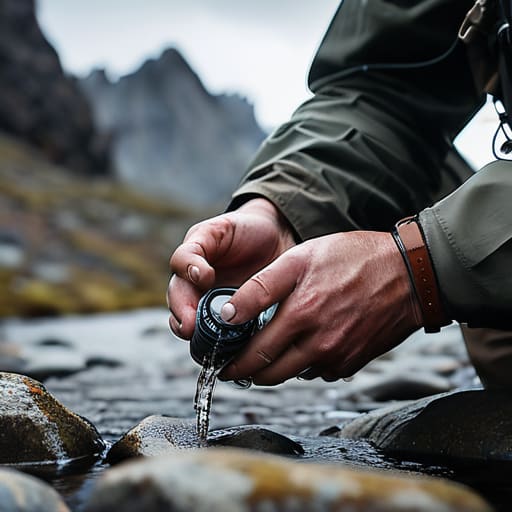
At the end of the day, water procurement isn’t about finding the most scenic stream; it’s about managing risk. You have to look at the landscape with a critical eye, understanding that a clear mountain beck can hide more than just pebbles, and that your filtration method is only as good as the discipline you apply to using it. Whether you are scavenging for moisture in a dry hollow because the weather turned or filtering from a high-altitude tarn, remember that consistency is your only real safety net. Don’t skip a step because you’re tired, and don’t assume a lack of visible sediment means a lack of pathogens. Treat every source with the same level of skepticism, regardless of how much you trust the view.
I’ve spent two decades watching how the mountains change, and they don’t care about your thirst or your schedule. They are indifferent to your plans, and they certainly won’t provide for you if you get careless with the basics. But if you respect the source, carry the right tools, and refuse to make optimistic mistakes when the sun goes down, the mountains remain a place of incredible clarity. Water is life, but in the wild, it is also a variable you must control. Respect the process, trust your training, and keep your kit dry.
Frequently Asked Questions
Is it worth the extra weight to carry a chemical treatment alongside a physical filter for when the water is too silty or frozen to process?
I’ve carried both in my pack for the last six seasons, mostly on long, multi-day treks in the Cairngorms. If you’re dealing with heavy silt or a frozen stream, a filter can clog or fail entirely. I’ve spent thirty minutes trying to clear a fouled element in the dark, and it’s a miserable way to spend an evening. Carry the chemical tabs; they weigh next to nothing and provide that vital redundancy when the physical gear fails.
How much of a difference does water temperature actually make when I'm trying to boil water at high altitudes or in freezing conditions?
It’s a massive difference, and it’s where people lose time they don’t have. I’ve spent many a freezing morning on the Cairngorms waiting for a pot to boil while my hands went numb. At altitude, the boiling point drops, but the real killer is the thermal sink. If you’re starting with slush or near-freezing meltwater, your stove is working twice as hard just to reach equilibrium. Don’t underestimate the fuel you’ll burn; always factor in that extra ten minutes of heat.
At what point does a lightweight UV purifier become a liability compared to a more rugged, mechanical method?
A UV purifier becomes a liability the moment you’re dealing with anything other than clear, fast-moving water. I’ve used the SteriPen on fourteen different trips over the last three years, mostly in the Highlands, and it’s brilliant for crystal-clear streams. But if you’re stuck with silty, glacial runoff or a stagnant pool after a heavy rain, that light can’t penetrate the particles to kill the pathogens. In those conditions, a mechanical filter is your only real insurance.