I spent most of my nine years as a ranger standing perfectly still in freezing rain, not because I was waiting for a miracle, but because I was learning how to actually see. Most people think you need a thousand-pound spotting scope or a trip to a remote national park to experience nature, but that’s nonsense. If you’re waiting for a guided tour or a specialist expedition to learn how to find wildlife in your local area, you’re going to spend a lot of money looking at nothing. The truth is, the animals aren’t hiding in some far-off wilderness; they are right there in the hedgerows and the scrubland behind your house, provided you know how to read the subtle shifts in the landscape before they vanish.
I’m not going to give you a list of shiny gadgets or tell you to buy a subscription to some birding app. Instead, I want to talk about the boring, essential stuff: timing your walks with the light, understanding how wind direction affects scent, and knowing which patches of ground actually hold life. I’ll share what I’ve learned from twenty-two years of watching the hills, focusing on the practical observations that actually work when you’re out there alone.
Table of Contents
Identifying Local Fauna Before the Light Fails
If you’re serious about identifying local fauna, you have to stop thinking like a tourist and start thinking like a predator—or at least someone trying to avoid being spotted by one. Most people head out when the sun is at its zenith, but by then, the birds have settled and the mammals are tucked away. If you want to actually see anything, you need to time your movement around the crepuscular windows—that brief, frantic period of light just before dusk or just after dawn. This is when the energy shifts.
I’ve spent twenty years watching how light interacts with terrain, and the biggest mistake I see is people walking too loudly or too fast during these windows. For effective habitat observation techniques, you need to learn to read the “negative space.” Don’t look for the animal; look for the break in the pattern—the way a branch dips under weight or how a shadow moves against the grain of the scrub. If you’re just starting with birdwatching for beginners, remember that silence is your most important piece of kit. If you can’t sit still in the damp for twenty minutes without checking your watch, you aren’t observing; you’re just trespassing on their time.
Urban Wildlife Spotting Tips for the Unprepared
Most people think they need to trek into a national park to see anything interesting, but that’s a mistake. If you’re starting with urban wildlife spotting tips, you have to stop looking for the “big” stuff and start looking at the edges. I’ve spent years watching how life clings to the margins—the strip of scrubland between a railway line and a housing estate, or even the neglected corner of a school playground. You don’t need a high-end spotting scope to begin; you just need to understand that animals in a city operate on a different set of rules, usually dictated by human noise and artificial light.
If you are venturing out for some basic birdwatching for beginners in a suburban setting, my advice is to find a “quiet pocket” and just sit. I carried my old Leica binoculars—which I’ve used through three decades of sleet and wind—on a dozen park walks last year, and even they can’t help you if you’re stomping around like a lost tourist. Watch the movement in the canopy, not just the birds themselves. If the leaves are shaking where there is no wind, something is moving through there, and that is usually where the real story begins.
The Unseen Details: Five Ways to Actually Find Something
- Learn the “edges.” Wildlife rarely hangs out in the middle of a wide-open field or a massive, unbroken forest block; they live in the margins. I’ve spent years watching how deer and foxes use the transition zones between dense scrub and open grass. If you want to see anything, stop looking at the center of the landscape and start looking at the hedgerows, the ditch lines, and where the woodland meets the meadow.
- Master the art of the “stationary wait.” Most people make the mistake of walking constantly, which is essentially a way of telling every living thing in the area to hide. I’ve found that if you find a spot that looks promising—perhaps near a water source or a dense thicket—and you sit still for twenty minutes, the landscape will eventually settle and the animals will come back out. You have to be part of the scenery, not a moving obstacle.
- Listen for the “silence gaps.” You don’t always need binoculars to find something; sometimes you just need to stop talking. When a predator moves through an area, or even when a large mammal is crossing a path, the local birdlife will often go dead quiet. If you’re out and the constant chatter of the scrub suddenly cuts out, don’t keep walking—stop and look in the direction of that silence.
- Use the light, not just your eyes. If you’re looking for anything more substantial than a pigeon, you need to understand how shadows work. Early morning and late evening provide the best opportunities because the low light angle helps silhouettes stand out against the ground. I’ve spent many a damp morning waiting for the sun to hit a specific ridge just because I knew that’s when the raptors would start their hunting circuit.
- Check the “scat and sign” before you look up. Most people spend their entire hike staring at the canopy, but half the story is on the ground. I keep a mental log of tracks and droppings because they tell you exactly what was there an hour ago, even if the animal is gone now. If you see fresh disturbed earth or a specific type of scat near a trail, you aren’t just looking at ground debris; you’re looking at a map of recent activity.
The Cost of Being Late
Most people treat wildlife spotting like a sightseeing tour, but if you want to actually see something, you have to stop thinking about the destination and start thinking about the margins—the hour before dawn, the shift in wind, and the patience to sit in the damp for forty minutes while the world wakes up. If you wait until the sun is high and you’re feeling comfortable, you’ve already missed them.
Bridget Halloran
Before You Head Out
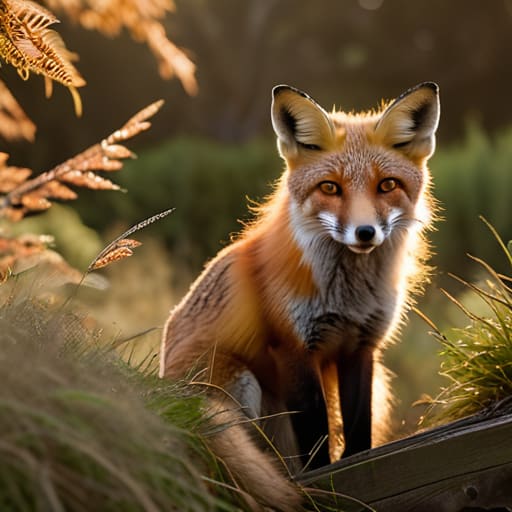
At the end of the day, spotting wildlife isn’t about having the most expensive spotting scope or a PhD in ornithology; it’s about knowing when to be quiet and when to turn back. You need to respect the light, understand the specific habits of the species in your patch, and—most importantly—recognize that urban environments require a different set of eyes than the deep woods. Whether you are tracking a fox through a suburban park or waiting for a kestrel to hover over a field, success comes down to the boring stuff: being prepared for the weather, managing your time so you aren’t caught in the dark, and having the patience to sit still in the damp until something actually moves.
The outdoors is a moving target, and it doesn’t owe you a sighting just because you showed up. But if you stop treating wildlife spotting like a checklist and start treating it like a lesson in observation, the world opens up in a way most people completely miss. There is a specific kind of quiet satisfaction in seeing a bird of prey claim a territory or watching a nocturnal animal emerge from the shadows, provided you’ve done the groundwork to be there safely. Just remember: watch the sky, watch the light, and never let your optimism about the weather override your common sense.
Frequently Asked Questions
What kind of gear do I actually need to carry if I want to sit still for an hour without freezing or getting bitten?
If you’re sitting still, you aren’t moving to generate heat, so you’ll freeze faster than you think. I’ve spent six hours sitting in a damp peat bog waiting for a Peregrine to return to a ledge, and I wouldn’t do it without a dedicated sit-pad—I use my Therm-a-Rest Z-Seat, which I’ve used every month for three years. Also, carry a lightweight down jacket. I’ve worn my Rab Microlight in near-freezing, drizzly conditions for four hours straight; it’s the only thing that stops the shivering when you stop moving.
How do I tell the difference between a bird I've seen before and a new species when the light is failing?
Stop trying to identify the plumage when the light is failing; you’ll just end up guessing and feeling foolish. Focus on the silhouette and the behavior instead. Is it a heavy-set shape banking against the wind, or something smaller and more erratic? I’ve spent years watching raptors in the gloaming, and once the color goes, you rely on the wing shape and the way they hold their flight. If you aren’t sure, note the time and location, then look it up when you’re back in the light.
Is it worth heading out in the rain to see more wildlife, or am I just going to end up wet and frustrated?
It depends on whether you’re looking for movement or just sitting in the damp. Rain often forces birds to hunkered down, which can be frustrating if you’re expecting activity. However, if you’re patient, the shift in light and the way the rain clears the air can make spotting a predator much easier. Just don’t be optimistic about your comfort; I’ve spent six hours in a steady drizzle waiting for a Peregrine, and if your kit isn’t up to it, you’ll spend more time shivering than watching.