I spent years as a ranger watching people try to “save nature” by buying expensive, plastic-heavy bird feeders and decorative stone hotels that end up doing nothing but collecting grime and spreading disease. There is a massive, exhausting industry built around making you feel like you need a specific gadget to make a difference, but if you want to know how to help wildlife in a garden, the truth is usually much messier and far cheaper. Most of the time, the best thing you can do is actually stop doing things—stop tidying, stop spraying, and stop trying to curate a manicured landscape that offers zero value to a hungry insect or a nesting bird.
I’m not here to sell you a lifestyle or a polished version of ecology. I’m going to tell you what actually works based on twenty years of watching how species move through habitat, from the high ridges down to the smallest backyard patch. We’ll talk about the boring, essential bits—like why a pile of rotting wood is worth more than any boutique insect hotel—and how to manage your space so it survives the seasons. I’ll give you the practical, unfiltered reality of creating a functional ecosystem, without the marketing fluff.
Table of Contents
Choosing Pollinator Friendly Plants That Actually Survive
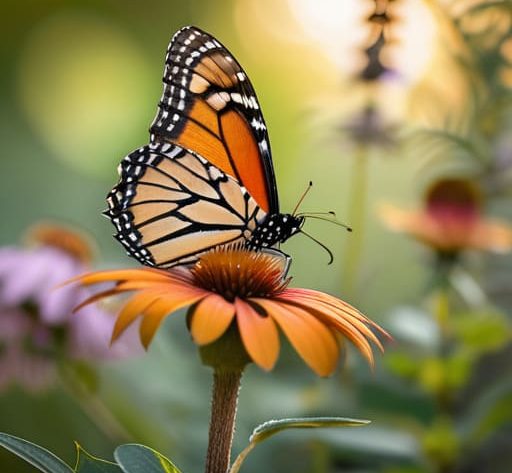
The mistake I see most often—and I’ve seen it in managed parkland as much as in private allotments—is the urge to buy whatever looks pretty in a plastic pot at the garden centre. Most of those are cultivars bred for show, not for substance. If you want to focus on creating insect habitats, you need to stop looking at petal shape and start looking at nectar density and seasonality. I spent three days last autumn cataloguing late-season forage in the uplands, and the lesson was clear: if nothing is blooming in September, the cycle breaks. You need a succession of plants that work from the first thaw through to the first frost.
Don’t go for the high-maintenance hybrids that require constant feeding and specific soil pH just to stay upright. I’ve used Lavender grown in rocky, well-drained soil for over six seasons now, and it’s as reliable as a good pair of leather boots. Stick to native species that have evolved alongside our local insects; they are more resilient and far more effective for biodiversity in backyard gardens. If a plant can’t handle a week of horizontal rain without rotting at the stem, it’s not going to survive the reality of a British garden, and it certainly won’t feed a single bee.
Creating Insect Habitats Before the Season Shifts
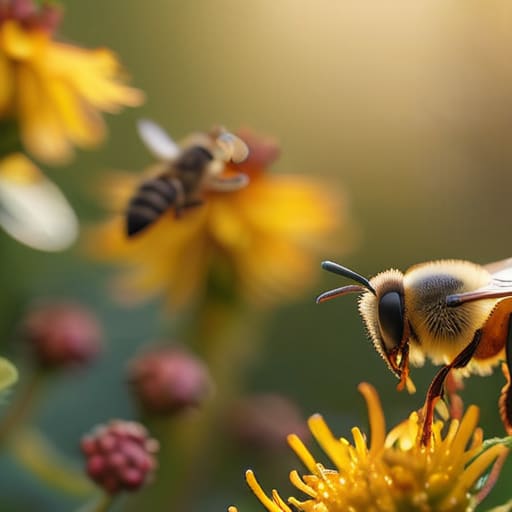
Stop trying to tidy up. I spent nine years as a ranger watching people obsess over a “perfect” lawn, only to realize they were essentially creating a green desert. If you want to focus on creating insect habitats, the first thing you need to do is stop being so efficient. Leave a corner of the garden to go to seed. Let the nettles and brambles have their say. I’ve spent decades tracking raptor movements, and I can tell you that a healthy ecosystem starts with the small, messy stuff at the bottom of the food chain.
When the temperature drops, those insects need more than just a flower to visit; they need a place to hide from the wind and the frost. A simple log pile in a sheltered spot or a small patch of bare earth can make all the difference. If you’re looking into sustainable garden practices, think of it as building a buffer. You aren’t just planting a garden; you’re constructing a series of micro-climates that can withstand a sudden shift in weather. Don’t over-engineer it—just give them a bit of chaos to live in.
The Small, Boring Essentials That Actually Make a Difference
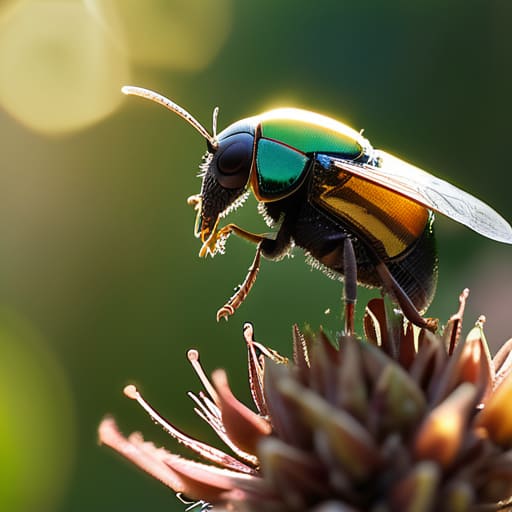
- Stop cleaning up every fallen leaf and twig. I spent nine years as a ranger fixing footpaths that people had trampled into mud because they wanted a “tidy” look, but in a garden, that leaf litter is the only thing keeping the ground-nesting insects alive through a frost. Leave a corner of the garden messy; it’s not neglect, it’s habitat.
- Water is non-negotiable, but don’t just put a bowl out. I’ve seen too many people set up shallow dishes that become death traps for hedgehogs or even small birds if they can’t find a landing spot. Use a shallow stone basin with some pebbles sticking out so the insects have a dry place to stand while they drink.
- Ditch the chemical sprays entirely. I don’t care how much a specific aphid outbreak bothers you; the second you spray, you’ve broken the food chain. I haven’t used a single synthetic pesticide in my own garden for fifteen years, and while I’ve had to accept a few chewed leaves, the bird population—especially the smaller insectivores—is far more stable for it.
- Build for the long game with log piles. Don’t just throw some branches in a heap; stack them intentionally in a damp, shaded corner. I’ve been monitoring a specific patch of decaying oak in my garden for three seasons now, and it’s become a micro-ecosystem for beetles and fungi that a “manicured” lawn could never support.
- Accept the unpredictability of the weather. When we get those sudden, heavy rain shifts that turn a garden into a bog, your wildlife needs cover. Planting dense, native hedgerow shrubs provides the kind of structural protection that a single tree can’t offer when the wind starts howling across the fence line.
The Myth of the Perfect Garden
Most people want a garden that looks like a postcard, but a postcard is a sterile, lifeless thing. If you want to actually support wildlife, you have to accept a bit of mess; you have to let the stalks rot in the autumn and the weeds creep into the borders, because that’s where the real life happens when the weather turns.
Bridget Halloran
The Long Game
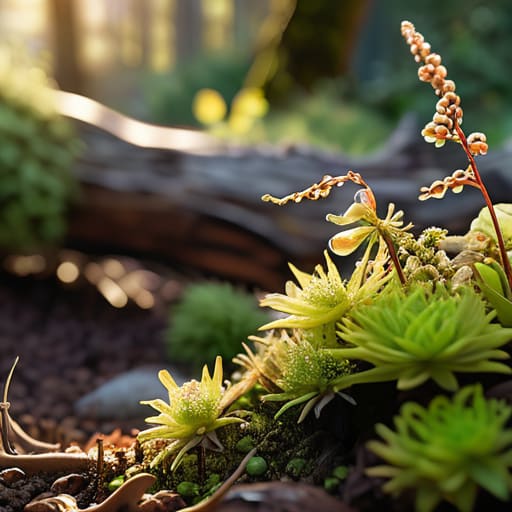
At the end of the day, helping wildlife isn’t about achieving some pristine, catalogue-perfect garden aesthetic. It’s about the messy reality of providing food through the lean months and giving creatures a place to hide when the weather turns. You’ve looked at the plants that can actually handle your local soil, and you’ve considered leaving some deadwood or bare earth for the insects. If you do those things, you aren’t just gardening; you are building a buffer against the instability we see in the natural world. It isn’t a grand gesture, but it is a practical one. Just remember that even the best-laid plans require a bit of patience—nature doesn’t follow a schedule, and it certainly doesn’t care about your weekend pruning plans.
I’ve spent twenty-two years watching how landscapes respond to even the smallest shifts in management, and I can tell you that consistency matters more than intensity. You don’t need a massive estate to make a difference; you just need to stop trying to control every square inch of your patch. Let the weeds grow a little, let the leaves rot where they fall, and let the garden be a bit unkempt. When you stop fighting the natural cycle and start working within its margins, you’ll find that the life you were trying to attract starts showing up on its own. It’s a slow process, but that’s how the most resilient ecosystems are built.
Frequently Asked Questions
How much maintenance is actually required if I want to let the native plants take over without it looking like a neglected mess?
You don’t need to be a full-time gardener, but you can’t just walk away. I’ve spent twenty years watching how ecosystems settle, and “wild” doesn’t mean “unmanaged.” Aim for the “managed chaos” look. Keep your paths clear and edge your flower beds—that defines the boundary so it looks intentional rather than abandoned. Once a year, in late winter, do a single, decisive cut-back of the dead stalks. That’s it. Let the rest breathe.
Is it worth spending money on specialist bird or insect houses, or am I better off just leaving a pile of old logs and some deadwood in a corner?
Save your money. I’ve spent twenty years watching how things actually settle in the wild, and a plastic-coated, cedar-shingled birdhouse from a garden centre rarely stands a chance against a proper damp corner. A messy pile of logs and some decaying deadwood provides far more complex micro-habitats for beetles and solitary bees. If you want to spend, buy native shrubs. Otherwise, just leave the garden a bit untidy; nature prefers the chaos.
How do I balance making the garden a sanctuary for wildlife with the practical need to keep it tidy and prevent it from becoming a breeding ground for pests?
The trick is to compartmentalize. I’ve spent years managing trails where “wild” and “safe” have to coexist. Keep your immediate paths and seating areas clear—that’s your human space. But let the edges go. A messy, unkempt border is where the real work happens. If you’re worried about pests, remember that a balanced ecosystem usually brings in the predators that do the cleaning for you. Don’t tidy everything; just tidy what you walk on.