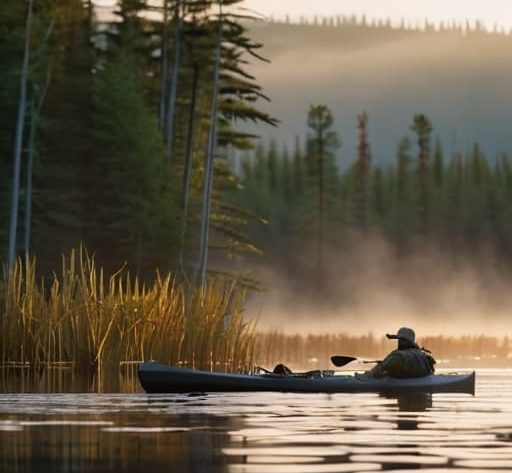
I remember sitting in a low-profile kayak on a glass-calm loch three years ago, watching an osprey dive just twenty yards away. The silence was absolute, broken only by the rhythmic drip of water from my paddle. It was one of those rare, perfect moments where you feel less like a visitor and more like a part of the landscape. But I also remember the exact moment that peace turned into a frantic scramble because I’d ignored a shifting wind direction and a darkening horizon. Most people think learning how to watch wildlife from a boat or kayak is all about finding the right spot or buying the most expensive spotting scope, but they miss the point entirely. It’s actually about managing the gap between a beautiful sighting and a sudden, cold reality.
I’m not here to sell you on high-tech gadgets or tell you that a weekend paddle is a guaranteed way to see rare species. I’m going to give you the unvarnished truth about what it actually takes to be a respectful, safe observer. I’ll talk about the weight of the gear that actually matters, the specific weather cues that should make you head for shore, and how to read the water so you don’t scare off the very thing you came to see. No press releases, just the practicalities.
Table of Contents
Mastering Wildlife Spotting Techniques Without Breaking the Silence

The mistake most people make is thinking that silence is just about not talking. It’s actually about how you move through the water. If you’re paddling toward a seal colony or a group of seabirds, every aggressive stroke of the paddle sends a vibration through the hull that they can feel long before they see you. I’ve spent years tracking raptors from the ground, and I can tell you that the most effective wildlife spotting techniques involve a slow, rhythmic stroke that mimics the natural drift of the tide. You want to become part of the landscape, not an intruder cutting through it.
When you are paddling near marine mammals, the rule is simple: if the animal changes its behavior because of your presence, you are already too close. I’ve watched a curious harbor seal suddenly dive and vanish because a kayaker tried to close the gap for a better photo. That’s not just poor form; it’s a failure of minimizing animal stress. If you see an animal staring at you, stop paddling. Let the current do the work. It takes more patience, but you’ll see much more of the real world when you aren’t the thing they’re trying to hide from.
Minimizing Animal Stress While You Drift
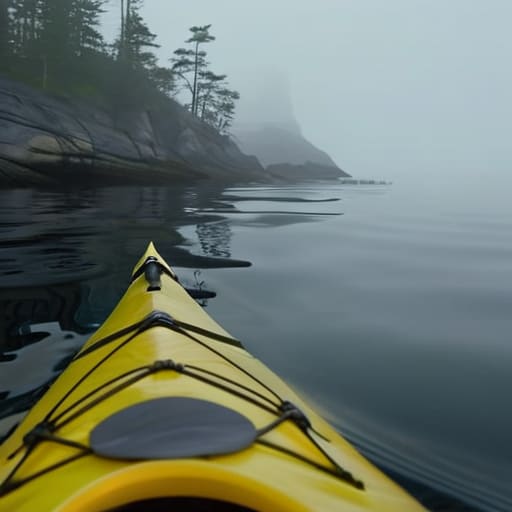
The thing people forget is that a kayak is a silent predator in the eyes of a nervous animal. You might feel like you’re just drifting, but to a seal or a nesting seabird, that slow, rhythmic movement can feel like an approach. I’ve spent years tracking raptors, and I know that once an animal decides you are a threat, they burn precious calories fleeing—calories they need for survival, not for playing games with you. Minimizing animal stress isn’t just about being polite; it’s about ensuring your presence doesn’t inadvertently tip the scales against them.
If you see a head pop up or a wing twitch, that is your cue to stop. I’ve used my current 12kg touring kayak for over four hundred days in varying coastal swells, and the rule is always the same: if the animal changes its behavior because of you, you are too close. Practicing proper ethical wildlife viewing practices means being willing to turn your bow around before the interaction even begins. It is much better to paddle away empty-handed than to return to shore knowing you’ve disrupted a feeding cycle.
The Small Decisions That Prevent a Big Mess

- Watch your shadow before you watch the bird. I’ve spent enough time on the water to know that a large, dark shape passing over a shallow reed bed is often more terrifying to a heron than the sound of your paddle. If you’re paddling in bright, midday sun, that silhouette is your biggest giveaway; keep your profile low and try to approach with the sun behind you.
- Master the ‘silent stroke’ or don’t bother going. I’ve used my old Valley & Back paddles for about six years now, mostly in choppy, wind-driven conditions, and they are reliable, but even the best gear won’t save you if you’re digging the blade in like you’re trying to win a race. Learn to feather your stroke and lift the blade clean out of the water to avoid that rhythmic slap-slap-slap that tells every otter within a mile that you’ve arrived.
- Respect the wind, even when it feels like a breeze. On a kayak, a light wind can turn into a crosswind that pushes you directly into a nesting site before you’ve even realized you’ve drifted off course. I always check the wind direction against the shoreline; if the wind is blowing you toward a sensitive bank, you aren’t “drifting,” you’re encroaching, and you need to paddle out immediately.
- Don’t rely on your eyes alone; use your ears to find the ‘quiet’ spots. Most people paddle straight into the middle of a lake or bay, but the best sightings happen where the water meets the edge. I’ve found that if you listen for the specific, frantic calls of a disturbed waterfowl, you’re likely too close; look for the areas where the soundscape is consistent and undisturbed, then approach those areas with extreme caution.
- Pack for the reality of the water, not the forecast on your phone. I’ve been caught out by a “clear sky” forecast turning into a freezing downpour in twenty minutes more times than I care to admit. If you are sitting in a low-profile boat, you are losing body heat to the water and the wind much faster than if you were hiking; always carry a dry layer that I have personally tested in wet, windy conditions, because once you start shivering, your ability to observe anything meaningful is gone.
The Cost of a Close Encounter
I’ve seen too many people paddle right into a bird’s flight path because they were too busy looking through a lens to notice the animal’s body language. If you’re forcing a creature to change its behavior just so you can get a better shot, you haven’t observed it—you’ve interrupted it, and you’ve likely made a decision that’s going to cost you energy or safety when the wind shifts.
Bridget Halloran
The Margin Between Watching and Wandering

At the end of the day, successful wildlife observation from a kayak isn’t about how many species you can tick off a list; it’s about the discipline of your approach. It comes down to managing your noise, respecting the animal’s flight distance, and—most importantly—never letting your focus on a nesting pair or a surfacing seal override your awareness of the shifting weather and current. I’ve seen too many people drift so far into a sighting that they fail to notice the light fading or a swell building, turning a quiet moment into a frantic paddle back to shore. Keep your gear accessible, keep your eyes on the horizon as much as the water, and always remember that your safety is the non-negotiable baseline for any successful trip.
There is a specific kind of quiet that you only find when you are low in the water, moving with the rhythm of the lake or the sea rather than against it. It is a privilege to be a guest in these spaces, and the best way to honor that is to leave no trace of your presence, not even a ripple of disturbance. When you learn to read the water and respect the boundaries of the creatures living in it, you stop being a spectator and start becoming part of the landscape. It’s a slow, often repetitive way to spend a day, but it is the only way to truly see what is happening beneath the surface.
Frequently Asked Questions
How do I know if I’m actually too close to a nesting bird or a seal colony before they start showing signs of distress?
The truth is, by the time they show obvious distress, you’ve already failed. If a seal stops pup-guarding and stares directly at you, or a bird stops feeding and starts pacing its nest, you’re too close. Look for the subtle shifts: a sudden stillness, a change in head direction, or a bird that stops its natural movement to track your line. If the rhythm of the colony breaks, turn around. Don’t wait for the screaming.
What kind of lightweight, waterproof gear do I actually need to keep my hands free for paddling while still staying warm if the wind picks up?
You need a high-quality, breathable shell, not just a “waterproof” jacket. I’ve used my Arc’teryx Beta LT for three seasons of heavy spray and wind on the lochs; it weighs 350g and actually moves with you. For hands-free warmth, skip the bulky mitts. I rely on lightweight, fleece-lined technical gloves—I’ve worn my Black Diamond Mont Blancs through dozens of freezing morning paddles. They provide grip and warmth without the bulk that kills your stroke.
How do I manage my visibility and prevent spooking wildlife when I’m navigating through narrow channels or heavy reeds?
When you’re in tight channels, your biggest enemy is your profile. I’ve spent many a morning in a low-profile sit-on-top, and the rule is simple: stay low and move like you’re part of the water, not something cutting through it. If you’re in heavy reeds, stop paddling entirely. Let the momentum carry you. Every sudden stroke or splash is a signal of danger. If you see movement, freeze. Wait. Let them decide you aren’t a threat.