I remember sitting in a damp bivvy bag in the Cairngorms, listening to the wind tear at the flysheet and realizing that my “lightweight” setup was about as useful as a paper umbrella. It wasn’t a dramatic storm, just a slow, steady descent into bone-deep chill that made every movement feel like I was pushing through wet concrete. Most people think learning how to deal with a broken night is about having the most expensive, high-tech emergency shelter money can buy, but they’re wrong. It’s rarely the gear that fails you; it’s the optimistic decision you made three hours earlier to push just one more mile past sunset.
I’m not here to sell you on a new brand of titanium sporks or a three-season tent that’ll fail the moment a real gale hits. I’m going to tell you what actually works when the light fails and you realize you aren’t going anywhere. We’ll talk about the unglamorous reality of managing your core temperature, the mental shift required to stop panicking, and why turning back early is the most important skill you will ever learn. This is the stuff they don’t put in the glossy brochures, but it’s the only thing that matters when the mountain stops being a playground.
Table of Contents
Managing Sleep Deprivation When the Wind Wont Quit
When the wind is scouring the side of a ridge, your priority shifts from comfort to survival. I’ve spent several nights in a four-season tent during Atlantic storms where the canvas sounds like it’s being shredded, and I can tell you that managing sleep deprivation in those moments isn’t about getting a full eight hours; it’s about micro-adjustments. If you are shivering, you aren’t sleeping. I’ve used my Therm-a-Rest NeoAir XTherm for six seasons now, mostly in sub-zero conditions, and it’s the only reason I can stay functional when the temperature drops. If your insulation fails, your brain will prioritize warmth over rest every single time.
You have to accept that your circadian rhythm regulation is going to be non-existent when you’re in a high-wind environment. Don’t fight the noise. Instead, focus on the small wins: getting into a dry sleeping bag, eating a high-calorie snack to fuel your internal heater, and using earplugs if you have them. If you try to force a “perfect” sleep, you’ll just end up frustrated and more exhausted when the light finally breaks.
Improving Sleep Environment Before the Frost Sets in
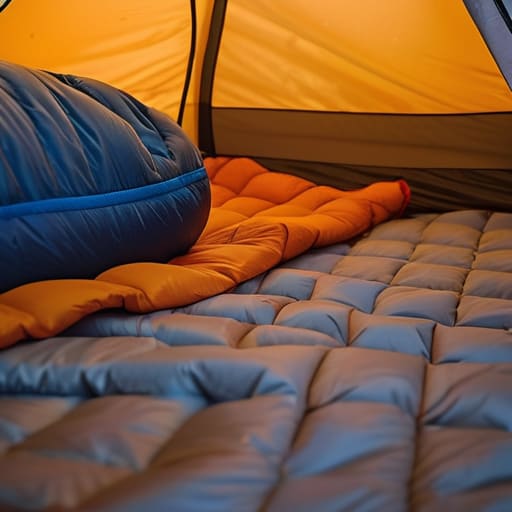
Most people wait until they are shivering in a damp sleeping bag to realize their setup is flawed. I’ve spent twenty years learning that improving sleep environment starts long before you pitch the tent. If you are camping in late autumn, you cannot rely on your sleeping bag alone; you have to manage the ground temperature. I’ve used the Therm-a-Rest NeoAir XTherm for five seasons now, through everything from summer heatwaves to sub-zero nights in the Cairngorms, and the R-value is the only thing that matters when the frost starts to bite. If your mat is thin, no amount of restorative sleep techniques will save you from the heat being sucked straight out of your body into the earth.
I also tell my groups to stop treating their tent like a bedroom and start treating it like a survival cell. This means setting up early, while you still have the light and the dexterity to tuck every corner of your footprint tight. A loose footprint allows cold air to circulate underneath you, which is a fast track to a broken night. It’s about the small, boring details—the way you tuck your spare layers around your feet or how you position your pack to block a draft—that actually make the difference.
Five ways to stop a bad night from becoming a dangerous morning
- Audit your layers before you get into the bag. I’ve spent too many nights shivering because I waited until I was already cold to put on my mid-layer. I’ve used my Rab Microlight for six seasons now, mostly in damp, high-wind conditions in the Cairngorms, and the rule is simple: put the extra insulation on while your core temperature is still up, not when you’re already shaking.
- Manage your moisture levels strictly. A broken night is often just a damp night in disguise. If you’ve been sweating through a climb, you need to get those damp base layers off and into a dry bag immediately. I’ve seen more people succumb to the chill because they slept in the clothes they hiked in than because of the actual ambient temperature.
- Control your calorie intake as a heat source. If you’re staring at the tent ceiling while the wind is battering the fly, don’t just lie there. Eat something dense. I keep a stash of high-fat emergency rations—nothing fancy, just something that works—because your body needs the fuel to keep the furnace running when the external temperature drops.
- Use your gear to create a microclimate, not a fortress. Don’t waste energy fighting the environment; work with it. If you’re in a tent, ensure your sleeping pad is fully inflated and positioned to block the ground chill. I’ve used the Therm-a-Rest NeoAir XTherm for four years in sub-zero conditions, and it’s the difference between a restless night and a functional one.
- Set a hard “turn back” time for the morning. If you haven’t slept, your decision-making is compromised. I make it a rule with every group I lead: if we haven’t had at least four hours of decent rest, we aren’t attempting the summit ridge. The mountain isn’t going anywhere, but your ability to navigate a descent in the mist certainly is.
The cost of an optimistic decision
A broken night rarely starts with a storm; it starts with that one optimistic decision you made at sunset to push for another kilometer, and by 3:00 AM, you’re paying for it in shivering, lost judgment, and a very cold realization that the weather doesn’t care about your itinerary.
Bridget Halloran
The morning after the mistake
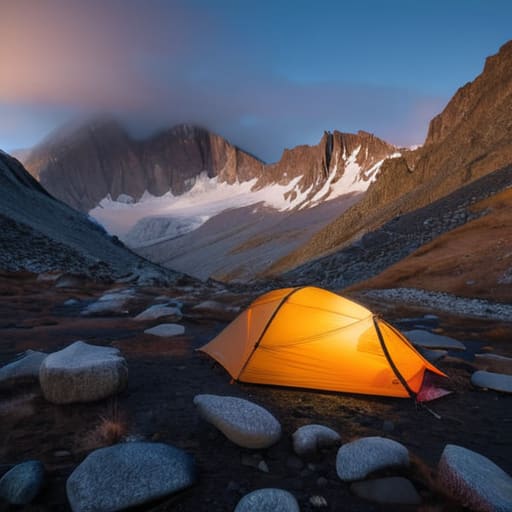
At the end of the day, managing a broken night isn’t about having the most expensive ultralight kit; it’s about the decisions you made before the sun went down. It’s about having the discipline to check your layers, the foresight to prep your sleeping area before the wind picks up, and the humility to turn back when the forecast stops being a suggestion and starts being a threat. Whether you are fighting sleep deprivation in a gale or trying to insulate a thin mat against a hard frost, remember that your safety depends on how well you manage your energy and your gear. Preparation is the only buffer you have between a difficult night and a dangerous one.
I have spent twenty-two years watching the weather turn on a dime, and I have learned that the mountains don’t care about your itinerary or your ego. They are indifferent to your plans. But if you respect the variables—the light, the temperature, and your own physical limits—the outdoors remains a place of immense clarity rather than chaos. Don’t let one optimistic decision turn a beautiful expedition into a survival situation. Learn to read the signs, pack for the reality of the ridge rather than the dream of the summit, and you will find that even the most difficult nights become lessons rather than tragedies.
Frequently Asked Questions
If I’ve already lost the light and the temperature is dropping faster than the forecast predicted, how do I decide between pushing through to a better site or hunkering down exactly where I am?
The decision usually comes down to your remaining daylight and your mental fatigue. If you’re stumbling and the light is failing, stop. I’ve seen too many people push for “one more mile” to find a better spot, only to end up pitching a tent in the dark on a slope they can’t see. If you have the gear to stay put—and I mean a tent that can actually handle the wind—hunker down. Don’t gamble with a ridge in the dark.
What specific layering adjustments should I make to my sleeping bag setup when I realize the ground is significantly colder than I anticipated?
If the ground is sucking the heat out of you, your sleeping bag isn’t the problem; your insulation from the earth is. I’ve spent three nights in a damp tent where the R-value of my mat felt like a suggestion rather than a barrier. First, strip any wet clothes off—even if you’re shivering. Then, stuff your spare mid-layers or even your daypack inside your bag around your feet. It’s about creating a thermal buffer between you and that cold floor.
When managing sleep deprivation on a multi-day trek, how can I tell the difference between simple tiredness and the dangerous cognitive fog that means it's time to stop moving?
It’s the small things that slip first. Simple tiredness is heavy limbs and a desire for a chair; cognitive fog is forgetting why you’re holding a map or misreading a simple contour line. If you find yourself staring at your stove and wondering how to light it, or if you’ve lost the ability to track your pace against the clock, you’re done. That’s the fog. Stop, pitch the tent, and eat. Don’t negotiate with it.