I once watched a group of hikers attempt a ridge traverse in the high heat of the Pyrenees, all of them clad in “high-tech” compression gear that promised sweat-wicking miracles. Within two hours, they weren’t just sweating; they were suffocating under layers of synthetic fabric that had turned into heavy, sodden sponges. Most gear companies want to sell you on complex moisture-management science, but when the mercury hits 35°C, those marketing buzzwords don’t matter. Learning how to choose kit for hot climates isn’t about finding the most expensive laboratory-tested fabric; it’s about understanding how air actually moves across your skin and why less is almost always more.
I’m not here to parrot a press release or tell you that a specific brand is magic just because it’s trending. I’m going to tell you what I’ve actually worn through twelve-hour days in oppressive humidity and what I’ve had to strip off my back because it failed me. We’ll look at weights, breathability, and the specific ways sun protection interacts with airflow. This is about the practical reality of staying functional when the heat starts to bite, based on years of making sure my clients don’t end up as a heat-exhaustion statistic.
Table of Contents
More Than Just Moisture Wicking Fabrics
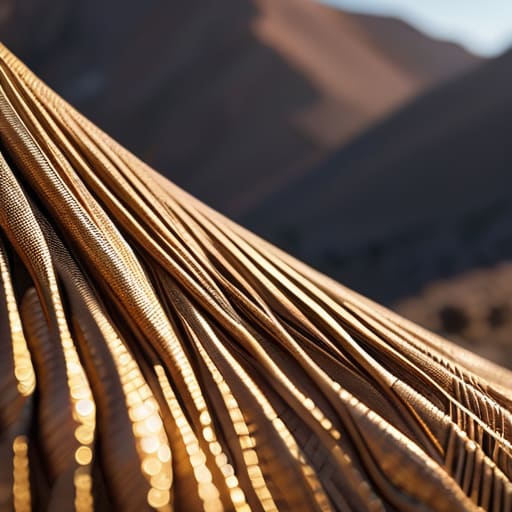
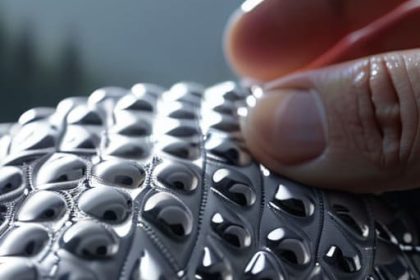
Most people think they can solve a heatwave by just swapping cotton for a technical polyester. I’ve seen enough hikers arrive at a ridge line drenched in sweat, shivering despite the 30-degree heat, because their “high-tech” shirt was doing nothing but trapping a layer of humid air against their skin. While moisture wicking fabrics are the baseline, they aren’t a magic bullet. I’ve spent three weeks straight in the Mediterranean testing various synthetic blends, and if the weave isn’t open enough to allow airflow, you’re essentially wearing a plastic bag.
You also need to consider the physical barrier between you and the sun. I’ve used the Patagonia Capilene series for over four years in various high-UV environments, and the difference in how it handles direct light is massive. It isn’t just about sweat; it’s about effective UV protection clothing that doesn’t weigh you down. If your shirt is thin enough to be translucent, it’s failing you. You want a fabric that manages the thermal load by letting the breeze reach your skin, rather than just moving liquid around your torso.
Breathable Outdoor Gear That Actually Works
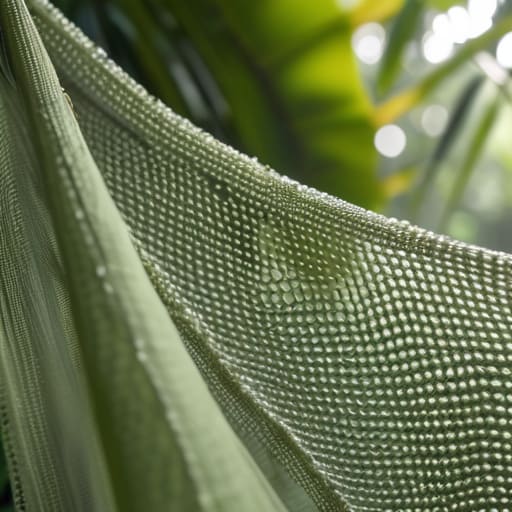
The problem with most “technical” shirts is that they are designed for a breeze that isn’t coming. I’ve spent three weeks trekking through high-altitude tropical scrub wearing a standard synthetic base layer, only to find it had become a heavy, sodden sponge that offered zero evaporative cooling. When the air is thick and still, you aren’t just fighting heat; you are fighting the humidity trapped against your skin. I’ve moved away from heavy synthetics toward ultra-fine, open-weave meshes. I’ve used the Patagonia Capilene Cool Daily for roughly four seasons now, mostly in humid, low-wind environments, and it remains one of the few pieces that doesn’t feel like wearing a plastic bag once the sweat starts.
If you are moving into territory with high solar radiation, you cannot rely on breathability alone. You need UV protection clothing that doesn’t compromise on airflow. I once watched a client try to “save weight” by wearing a thin cotton tee in the Andes; by midday, they were bright red and flagging. I now insist on long sleeves with a high UPF rating. It feels counterintuitive to add a layer when you’re hot, but creating a microclimate between the fabric and your skin is often more effective for heat exhaustion prevention than exposing yourself to the direct glare.
The Realities of Heat: Five Lessons from the Field
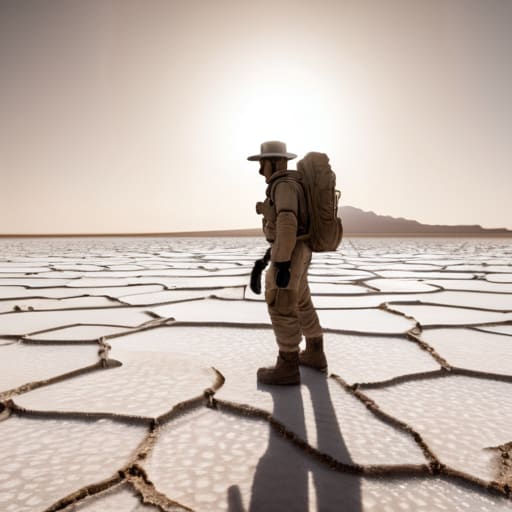
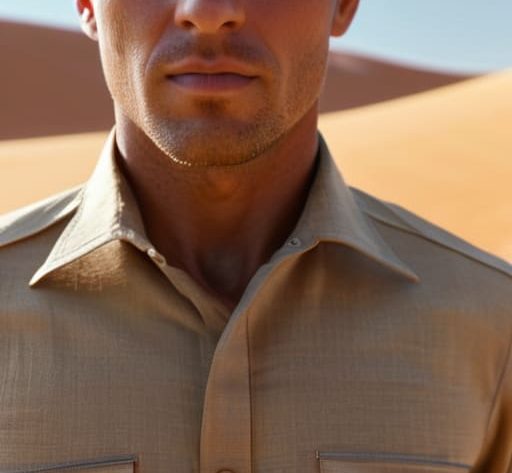
- Prioritise sun protection over sheer breathability. I’ve spent fifteen years watching people swap long sleeves for shorts only to spend the next three days of their trip nursing a blistering sunburn. I use a lightweight linen-blend shirt for almost every high-exposure trek now; I’ve worn it through roughly forty days of intense sun in the Mediterranean, and the slight weight penalty is worth the protection.
- Watch your footwear weight and ventilation. In my experience, a heavy, insulated boot is a recipe for heat rash and blisters when the temperature climbs. I switched to a dedicated trail runner for hot-weather traverses two years ago, using them through about sixty days of dry, dusty terrain. They breathe better, but you lose the ankle stability, so you have to be more deliberate about where you step.
- Don’t trust “one-size-fits-all” hydration systems. I’ve seen too many people get caught out because their bladder reservoir is too small for a long, exposed ridge walk. I carry a 3-litre bladder that I’ve used on every major summer push for the last five seasons; if you aren’t calculating your water intake based on the actual humidity and your exertion, you’re making an optimistic decision you’ll regret by noon.
- Choose your headwear based on brim stability, not just shade. A flimsy cap is useless when a thermal gust hits you on a ridge. I use a wide-brimmed hat with a chin strap—I’ve put this specific model through about thirty days of windy, high-altitude heat—because if your shade flies off, your cooling strategy goes with it.
- Manage your layers for the “dip,” not just the heat. The biggest mistake people make is packing for the peak temperature and forgetting that even in hot climates, temperatures can plummet when the sun goes down or a storm rolls in. I always carry one lightweight, highly packable windshell; I’ve used it in dozens of different climates to stop that specific, shivering chill that comes when you stop moving in the evening.
The Weight of a Bad Decision
I’ve spent twenty-two years watching people misread a heatwave, thinking that because the sun is out, the risk is gone; but the real danger is the heat exhaustion that hits right when you’re halfway across a featureless ridge with no shade and a heavy pack, so don’t choose your kit based on how light it feels in the shop, but on how much sweat it can actually move when the air turns still and heavy.
Bridget Halloran
The Margin of Error
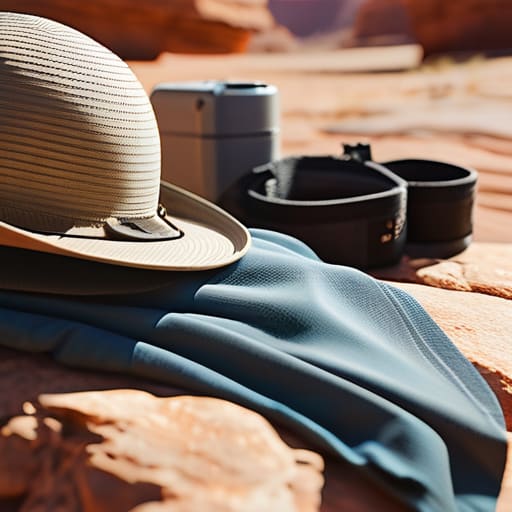
At the end of the day, choosing kit for heat isn’t about finding the lightest single item in the catalog; it’s about managing the transition between shade and exposure. You need to balance those high-tech, moisture-wicking layers we discussed with the practical reality of sun protection and weight management. I’ve spent twenty-two years watching people underestimate the sheer physiological tax of high temperatures, often because they packed for a pleasant stroll rather than a sustained thermal challenge. Remember that your gear exists to support your body’s ability to regulate itself. If your clothing traps heat or your sun protection is an afterthought, you aren’t just uncomfortable—you are actively shortening your window of safety.
Ultimately, the best kit is the stuff that allows you to stop thinking about your clothes and start looking at the landscape. Whether you are tracking bird movements in a dry valley or navigating a high-altitude ridge, you want your equipment to be a quiet, reliable partner, not a constant distraction. The outdoors is incredibly beautiful when the temperature is right, but it demands respect regardless of the thermometer. Don’t let an optimistic decision about your water capacity or your sun shirt be the thing that turns a great trip into a rescue mission. Pack for the reality of the climate, not the hope of the forecast, and you’ll find the rhythm of the trail much more easily.
Frequently Asked Questions
How much weight am I actually adding to my pack if I commit to carrying extra layers for when the temperature drops at night?
It’s usually between 600g and 900g, depending on how much you trust the forecast. I’ve carried a lightweight down jacket—about 340g—for twelve years, and it’s been the difference between a pleasant evening and hypothermia when the wind picks up on a ridge. Don’t skimp on the weight of your insulating layer; I’ve seen too many people ditch a mid-layer to save 200g, only to spend the night shivering in a tent that isn’t as warm as they hoped.
Is there a point where ultra-lightweight fabrics become too thin to actually protect my skin from sun damage or scrub?
Yes, there is. I’ve spent three weeks in the high heat of the Mediterranean wearing a 100g per square metre shirt, and while it felt like wearing nothing, the sun still found me. Once you get below a certain thread count, you’re trading protection for weight. If you’re moving through thick scrub or intense UV, that “paper-thin” fabric won’t stop a scratch or a burn. Don’t sacrifice your skin just to save fifty grams.
How do I distinguish between a shirt that claims to be "breathable" and one that actually works when I'm sweating through it in 30-degree heat?
The marketing on the label is useless; “breathable” is a buzzword, not a metric. I’ve spent fourteen days straight in the humid heat of the Pyrenees testing different synthetics, and the difference is all in the weave. If the fabric feels thick or “slick” like a cheap gym shirt, it’s going to trap heat. You want an open, mechanical weave—something you can almost see light through. If it doesn’t move moisture instantly, it’s just a wet rag.