I remember a Tuesday in the Cairngorms back in 2014, standing on a ridge in a horizontal sleet that felt like it was trying to skin us alive. I was leading a group of three, and one of them had spent a fortune on a massive, high-tech down parka, only to realize halfway up the ascent that he was already soaked through with sweat because he had no way to vent the heat. He was shivering before we even reached the plateau, not because he lacked expensive gear, but because he didn’t understand how to layer clothing for hiking in a way that actually works when the wind picks up. Most people treat layering like a math problem where you just add more stuff, but in the mountains, over-layering is just as dangerous as under-layering.
I’m not here to sell you a specific brand or a shiny new piece of “revolutionary” tech. What I am going to do is strip away the marketing fluff and tell you how a system of moving parts actually functions when the temperature drops twenty degrees in ten minutes. I’ll talk about the weights, the breathability, and the specific conditions where a certain fabric fails me. This is about building a system that keeps you moving and, more importantly, keeps you dry, so you aren’t making that one optimistic decision that ends your trip early.
Table of Contents
Wicking Base Layers for Sweat and Moisture Wicking Fabrics
The biggest mistake I see people make—and I’ve seen it from novices to seasoned walkers—is thinking that “warmth” starts with a thick fleece. It doesn’t. It starts with how you manage the moisture your own body produces. If you’re wearing a heavy cotton t-shirt, you’ve already lost the battle. Cotton is a sponge; once it gets damp from sweat, it stays damp, pulls the heat right out of your core, and becomes a primary factor in preventing hypothermia through layering failures.
I’ve spent the last six seasons relying on a specific set of merino wool blends for my base layers. I’ve worn my 150gsm merino long-sleeve through roughly 140 days of varying conditions, from humid valley ascents to freezing, damp ridge walks in the Lake District. Unlike pure synthetics, which can sometimes feel a bit “plastic” against the skin when you’re working hard, merino manages moisture wicking fabrics with a natural efficiency that keeps you dry without that clammy, suffocating feeling. It’s about temperature regulation hiking at its most basic level: keeping the skin dry so the insulation can actually do its job.
Mid Layer Insulation Types for Real Temperature Regulation Hiking
Once you have your base layer sorted, the mid-layer is where the real work of temperature regulation hiking happens. You aren’t just looking for “warmth”; you are looking for the ability to trap air without turning yourself into a human sauna. I’ve spent too many afternoons on the high ridges watching people stop moving, realize they’ve sweated through their fleece, and then spend the next hour shivering because their insulation was saturated.
For active climbs where you’re working hard, I lean toward synthetic mid-layers. I’ve used the Patagonia Nano-Air for about four seasons now, mostly in damp, windy conditions in the Lake District. It’s lightweight and, crucially, it doesn’t lose its loft if it gets a bit damp. However, if you’re stationary or the temperature drops sharply, nothing beats the loft of high-quality down. I keep a lightweight down jacket in my pack for emergencies; I’ve carried it through dozens of autumn traverses, and while it’s useless if it gets soaked, its ability to stop heat loss the second you stop moving is vital for preventing hypothermia through layering.
The Practical Realities of Staying Warm Without Overheating
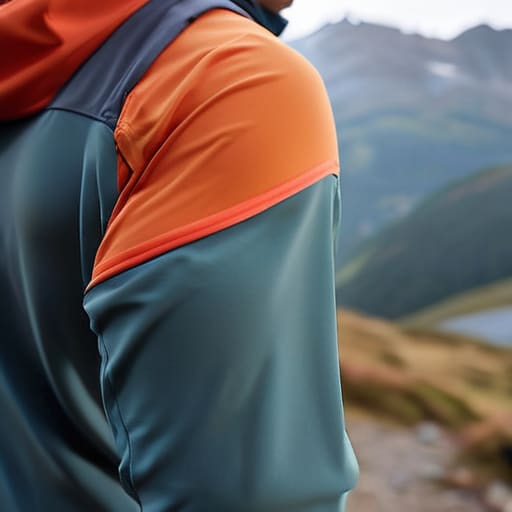
- Manage your heat before you feel it. I’ve seen too many people push hard up a steep ascent in a heavy fleece, only to arrive at the ridge drenched in sweat. Once that moisture hits the air, you aren’t just cold; you’re at risk of hypothermia. If you feel yourself getting warm, stop and peel a layer off immediately. It is much easier to add warmth than it is to dry out a sodden base layer.
- Understand the “static vs. moving” rule. A layer that works while you’re breathing hard on a 400m climb will be useless the second you stop to check a map or look for a peregrine’s nest. Always carry a dedicated “static” layer—usually a high-loft down or synthetic jacket—that stays dry in your pack until you actually stop moving. I’ve carried a lightweight puffer for six seasons now, through everything from damp Lake District mists to dry Scottish winds, and it is the one piece of kit that actually saves my temperature when the wind picks up at a summit.
- Don’t trust “waterproof” as a catch-all. A hardshell is for wind and driving rain, not for moisture management. If you wear a heavy waterproof jacket as your primary layer while climbing, you’ll create a greenhouse effect inside. Use your breathable mid-layers to move moisture away from your skin, and save the shell for when the weather actually turns or when the wind is cutting through your insulation.
- Check your seams and breathability. I’ve spent years watching people freeze in high-end shells that simply couldn’t vent fast enough. If you’re doing high-exertion hiking, the breathability rating (often called MVTR) matters more than the “waterproof” number on the box. If the jacket can’t move your sweat out, you’re just wearing a plastic bag.
- Plan for the descent, not just the summit. Most people pack for the peak and forget that the walk back is often much colder and darker than the climb up. I always make sure my pack has enough weight capacity for one extra, slightly heavier layer than I think I need. If the light starts failing and the temperature drops as you descend, you’ll be glad you didn’t make the “optimistic decision” to leave the heavy stuff at the car.
The Danger of the Single Layer
I’ve seen more people shivering in a valley than I have seen them actually injured on a ridge, and it usually comes down to the same mistake: they pack one heavy, bulky jacket to act as a shield, rather than three thin layers to act as a system. A heavy coat is a trap; once you start sweating under it on the ascent, you’re just soaking your base layer, and once you stop moving, that dampness becomes a death sentence.
Bridget Halloran
The Final Layer
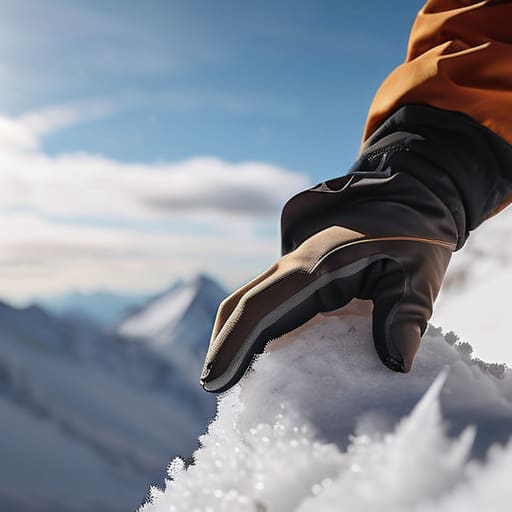
At the end of the day, layering isn’t about following a checklist from a gear catalog; it is about managing your own microclimate. You have to balance the moisture-wicking base layer that keeps you dry, the insulation that traps heat, and the outer shell that manages the wind and rain. If you get this wrong, you end up in the cycle I see too often: sweating through your clothes on the climb, only to become dangerously chilled the moment you reach the summit or stop for a break. Remember that the most expensive waterproof jacket in the world won’t save you if your base layer is soaked in sweat. It is about the constant, small adjustments you make while you are still moving, rather than trying to fix a mistake once the temperature has already dropped.
The hills don’t care how much you spent on your kit, and they certainly don’t care about your itinerary. They only care about how you respond when the wind picks up or the light begins to fail. Mastering your layers gives you the freedom to actually look at the landscape—to spot a peregrine on a thermal or notice the way the light hits a scree slope—instead of being entirely consumed by your own discomfort. Respect the weather, trust your system over your optimism, and always be prepared to turn back if the layers aren’t enough. That is how you ensure you’re around to walk them again tomorrow.
Frequently Asked Questions
How do I know when I've actually reached the point where I need to stop and add a layer before I start shivering?
The moment you feel a slight chill is already too late. If you wait until you’re shivering, your core temperature has already dropped and you’ll spend the next hour fighting to get it back up. I use a rule of thumb: if you stop moving for more than five minutes—say, to check a map or eat—put the layer on immediately. If you’re starting to feel “cool” on a ridge, stop and layer up.
Is there a significant weight difference between a heavy fleece and a synthetic puffy, and is the trade-off worth it for a long ridge walk?
I’ve carried both on multi-day treks in the Cairngorms, and the difference is noticeable. A heavy fleece might weigh around 500g, while a decent synthetic puffy sits closer to 350g. For a long ridge walk, take the puffy. It compresses much smaller in your pack and provides better warmth-to-weight. I’ve used my Rab Microlight in sleet and wind for three seasons now; it beats a sodden fleece every single time.
What happens to my layering system if the weather turns from a steady drizzle into a freezing, high-wind rainstorm?
The moment that drizzle turns into a high-wind rainstorm, your priority shifts from temperature regulation to moisture management and windproofing. You need to get your shell on immediately. I’ve spent too many hours watching people freeze because they waited until they were soaked to act. If you’re wearing a heavy fleece under a shell, you might overheat and dump moisture; swap it for a thinner, more breathable mid-layer if the wind is driving the rain sideways.