I’ve seen enough people standing on a ridge in the Lake District, staring at a descent they can’t finish because their feet have turned into raw, weeping messes, to know that most “expert” advice is nonsense. You don’t need a dozen different expensive gels or a PhD in podiatry to figure out how to prevent blisters; you usually just need to stop making optimistic decisions about your footwear and moisture levels. I once spent three days leading a group through a saturated peat bog in the Cairngorms, and I watched a seasoned hiker’s entire trip dissolve because he thought he could “tough out” a bit of friction without changing his socks.
I’m not here to sell you a miracle cream or a brand-new pair of boots. I’m going to tell you what actually works based on twenty-two years of walking through horizontal rain and heavy mud. I’ll cover the boring, essential stuff—the specific layering of socks I’ve used for over five hundred days of mountain work, and the exact moment you need to stop and adjust your laces before the damage is done. This isn’t about gear hype; it’s about staying on the hill.
Table of Contents
Footwear Sizing for Long Walks and Real World Fit
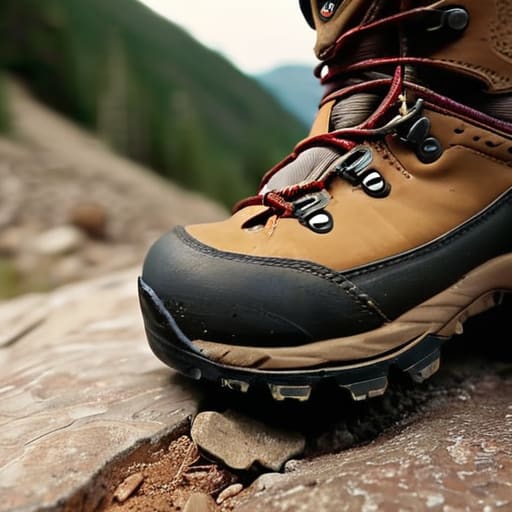
Most people buy boots based on how they look in the shop window or how they feel after a ten-minute stroll around the car park. That is a mistake. I’ve spent twenty years on the hills, and I can tell you that your feet change shape once you’ve been walking for six hours on a descent through scree. They swell, they expand, and they demand space. If you are choosing footwear sizing for long walks, you need to be looking for a thumb’s width of space between your longest toe and the end of the boot. I’ve worn my current pair of Meindls through three seasons of heavy peat bog and granite scrambles, and if they hadn’t been sized up initially, I’d have lost my toenails to the first descent of the season.
It isn’t just about length, though; it’s about how the volume of your foot interacts with the shoe. If there is too much “dead space” inside, your foot will slide, and that constant micro-movement is what leads to heat and damage. You need a secure heel lock to ensure you aren’t constantly fighting for stability. I always advocate for proper hiking sock layering—a thin liner under a thicker merino wool sock—to manage that internal movement. It creates a buffer that handles the friction so your skin doesn’t have to.
Proper Hiking Sock Layering to Combat the Damp
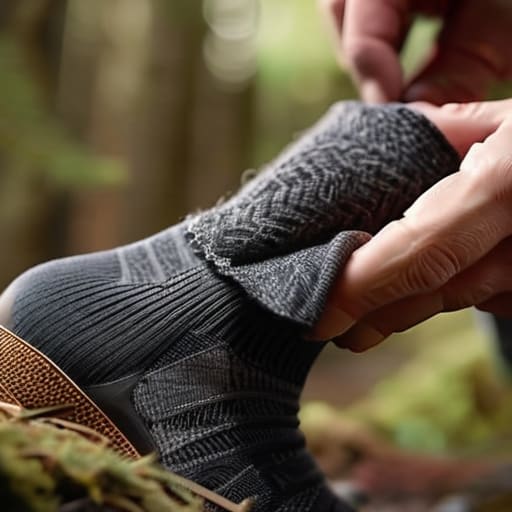
Most people think a single thick pair of wool socks is the solution to cold feet, but they’re often just creating a damp, friction-heavy mess. I’ve spent twenty-two years seeing how quickly moisture turns skin into soft, vulnerable tissue. To manage this, I swear by proper hiking sock layering: a thin, synthetic liner sock underneath a heavier merino wool outer layer. The liner’s job isn’t warmth; it’s to move sweat away from the skin and ensure that any rubbing happens between the two layers of fabric rather than against your heel.
I’ve used the Decathlon synthetic liners for over four seasons, mostly in high-humidity environments like the Lake District, and they hold up well without bunching. When you combine this with a high-quality merino outer, you’re effectively employing a key part of preventing skin irritation before it starts. If you feel that tell-tale hot spot, don’t just push through. Stop, strip the boot, and check if the moisture is trapped. The moment you feel dampness, your risk of a breakdown increases exponentially.
Five ways to stop the friction before it starts

- Don’t trust the ‘break-in’ myth. I’ve spent twenty years watching people try to break in heavy leather boots on a twenty-mile trek, only to end up limping back in the dark. If you wouldn’t trust a pair of boots for a day in the wet, don’t trust them for a week. I’ve used my current pair of Meindls for roughly 400 days of heavy use, mostly in peat bogs and scree, and they only work because I did the miles in them when the stakes were low.
- Manage your moisture, not just your heat. A dry foot is a happy foot, but a sweaty foot is a blister waiting to happen. I’ve carried the same lightweight liners for three seasons now; they don’t wick quite as fast as the high-end synthetic stuff, but they don’t saturate and stay heavy like the cheap ones. If you feel that dampness creeping in, stop, take your boots off, and let your skin breathe for ten minutes.
- The ‘Hot Spot’ rule is non-negotiable. The second you feel a localized warmth or a slight sting, you stop. You don’t wait until the next ridge or the next pub. I once led a group in the Cairngorms where one person ignored a small rub for three hours; by the time we reached camp, they couldn’t even put a sock on. Use leukotape or a bit of kinesiology tape immediately—not because it’s a cure, but because it stops the friction from digging deeper.
- Check your lacing tension at every transition. Most people tighten their boots for the ascent and then leave them loose for the descent. That’s a mistake. When you’re heading downhill, your foot wants to slide forward, crushing your toes and rubbing your heels. I always re-lace my boots with a double knot at the ankle before any descent to lock the heel in place. It adds thirty seconds to your stop, but it saves you three days of pain.
- Be realistic about your foot swelling. Your feet aren’t the same size at 4:00 PM as they were at 8:00 AM. I’ve seen too many people buy boots that fit perfectly in a shop in a temperature-controlled mall, only to find their toes hitting the front of the boot after six hours of walking in the heat. Always size up slightly—usually a half or full size—to account for the inevitable swelling that comes with a long day on the hills.
The High Cost of Ignoring the Small Stuff
“I’ve spent twenty years watching people ruin a three-day trek because they thought they could ‘power through’ a hot spot; by the time you actually feel the sting, the skin has already lost the battle, and you’re no longer hiking—you’re just managing an injury.”
Bridget Halloran
The Final Check Before the Ascent
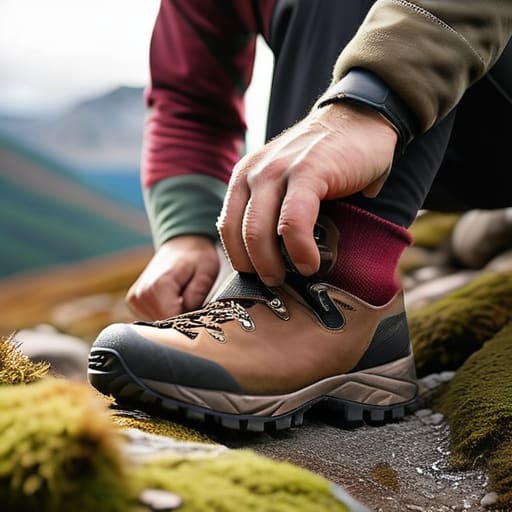
At the end of the day, preventing blisters isn’t about finding one magic piece of kit; it’s about the discipline of the small things. It’s about ensuring your boots aren’t too tight when your feet inevitably swell after six hours on a ridge, and making sure your sock layering is actually dry before you lace up. I’ve spent twenty-two years watching people turn back from incredible summits not because they lacked the fitness, but because they ignored a tiny bit of friction in the first hour. Whether it’s applying a bit of friction tape early or choosing the right merino blend, don’t wait for the pain to arrive before you act. If you feel a “hot spot,” stop immediately. It is much easier to fix a minor irritation in the shade than to manage a weeping wound in a gale.
The mountains don’t care about your itinerary, and they certainly don’t care about your optimism. They only care about how prepared you are for the reality of the terrain. When you get the footwear and the footcare right, you stop thinking about your feet and start actually seeing the landscape—the way the light hits a particular scree slope or where a peregrine might be hovering. My goal isn’t to make you a gear expert, but to make sure you’re still walking when the sun goes down. Respect the small details, listen to your body, and the hills will be a lot more rewarding for it.
Frequently Asked Questions
At what point should I actually stop and apply a preventative dressing, or is it too late once I feel the heat?
If you feel the heat, you’re already behind. That localized warmth is the friction starting to cook your skin, and once the blister forms, your walk is effectively over. I’ve spent twenty years watching people try to “power through” a hot spot, only to end up hobbling off a ridge in the dark. Stop the second you feel it. Strip the boot, apply a preventative dressing immediately, and reassess. Don’t be optimistic; be prepared.
How much does the weight of a multi-day pack actually contribute to the friction that causes hot spots?
It’s a massive factor. I’ve carried a 12kg pack through dry summer heather and a 19kg pack through a wet, boggy descent in the Cairngorms; the difference in foot fatigue is night and day. When that weight sits on your shoulders, it forces your gait to change. You start heavy-footed, heel-striking harder to compensate for the load, which creates that repetitive, grinding friction. A heavy pack doesn’t just tire your legs; it turns every step into a micro-trauma.
Should I be looking at different sock thicknesses for different terrain, or is one specific weight the safest bet for everything?
If you’re looking for a single “safety” weight, you’re going to end up either too cold or too cramped. I’ve used medium-weight merino blends for about five years on most of my ridge walks; they provide enough cushion without making your boots feel like torture devices. However, if you’re scrambling over sharp scree, go thicker. If you’re doing a high-tempo summer trek, go thinner. One weight doesn’t fit every terrain, and trying to force it usually ends in friction.